When I was growing up, travel was simply cool and people didn’t worry much about personal footprint. Climate change was a societal problem, not something for individuals. The contradiction between caring about the environment and getting on a plane existed but wasn’t visceral: you didn’t see the damage by traveling. If anything, going to wild places felt like being on the right side: you were the one who appreciated nature, not the one destroying it.
That has changed. The damage has now scaled up to the point where it is, sadly, spectacular in its magnitude. Yet lots of people walk past without recognizing that they’re seeing a recent and dramatic transformation.
Traveling in the 2020s, especially across oceans, feels hypocritical. Flying is unsustainable and I know it. I’ve tried to mitigate: some trips were for conferences, one was aboard a sailing ship; I’ve never owned a car and have cut my beef consumption drastically; I try to be politically active. But I’m not going to claim this makes me blameless. Some people have simply chosen never to fly, and they are doing better than me.
Traveling does give me something, though: a front-row seat to the damage. Despite my own contradictions (or hypocrisy, if you prefer), I think it’s worth documenting.
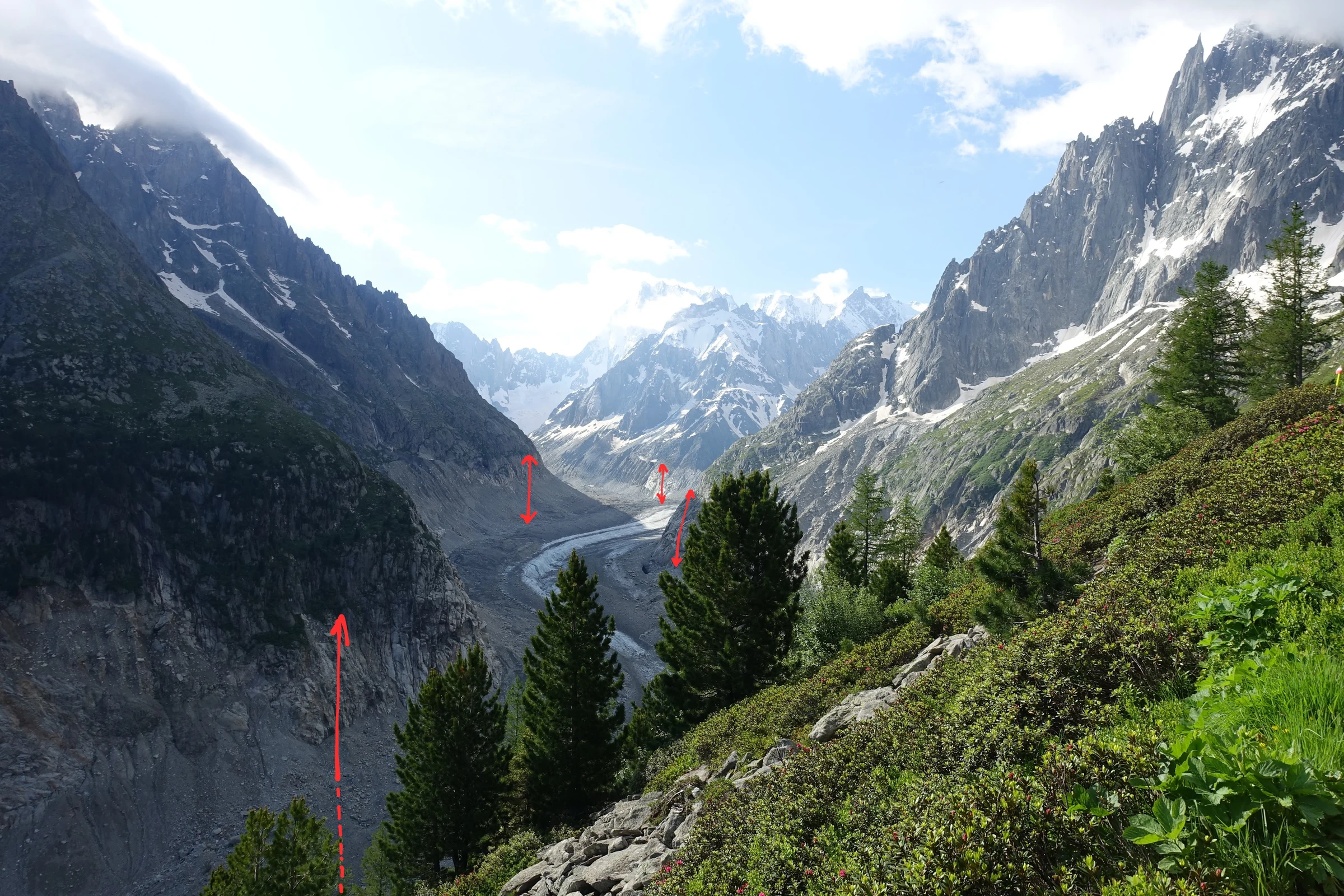
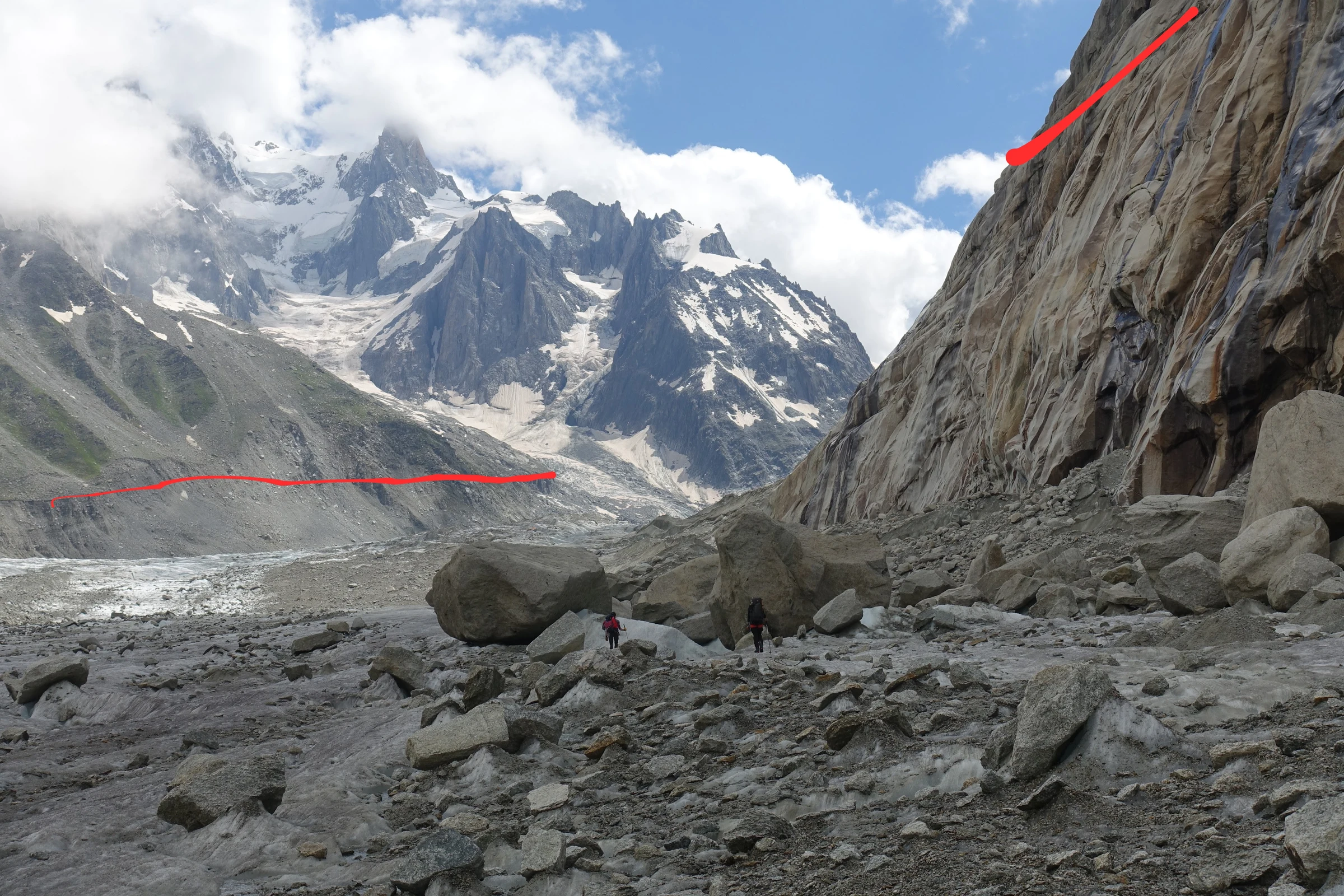
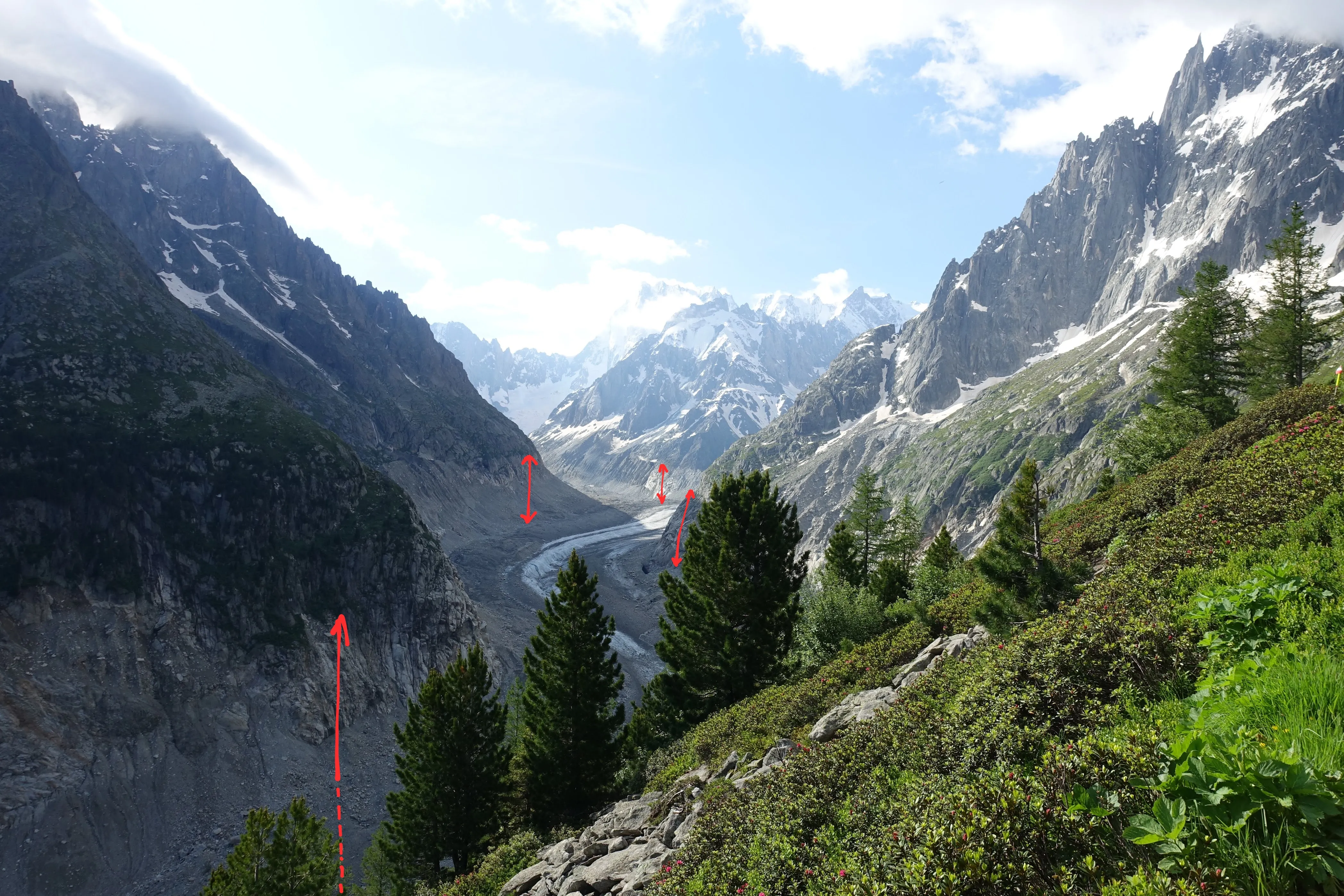
The Mer de Glace is the largest glacier in France, and an easy day trip from Chamonix. From the viewpoint above the ice, the retreat is visible directly: markers along the descent show where the glacier surface stood in 1990, 2000, 2010, each a strikingly deeper level than the last.
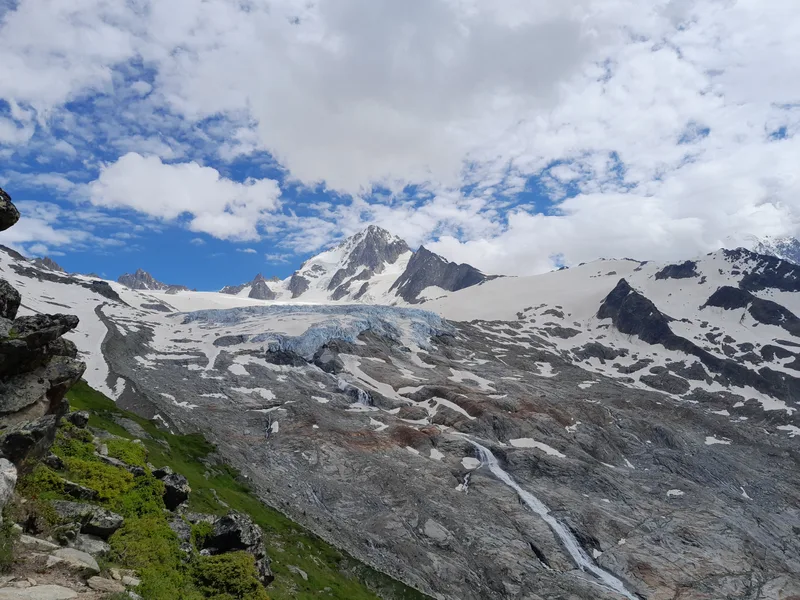
All over the Alps, glaciers are retreating at accelerating rates. The permafrost is melting, causing dramatically increased rockfall: classic routes that have been climbed for a century are disappearing one by one in massive collapses. The Alps are, literally, falling apart, as the ice that held the rock together during summer thaws away.
In glacier-fed regions of southern Europe, this matters practically, not just aesthetically. Glacier meltwater sustains rivers through dry summers, used for agriculture and drinking water in northern Italy and southern France. Right now, the waterflow is holding because the glaciers are actively shrinking. But that is temporary. Once they are gone, the flow will drop to a fraction of what it is today.
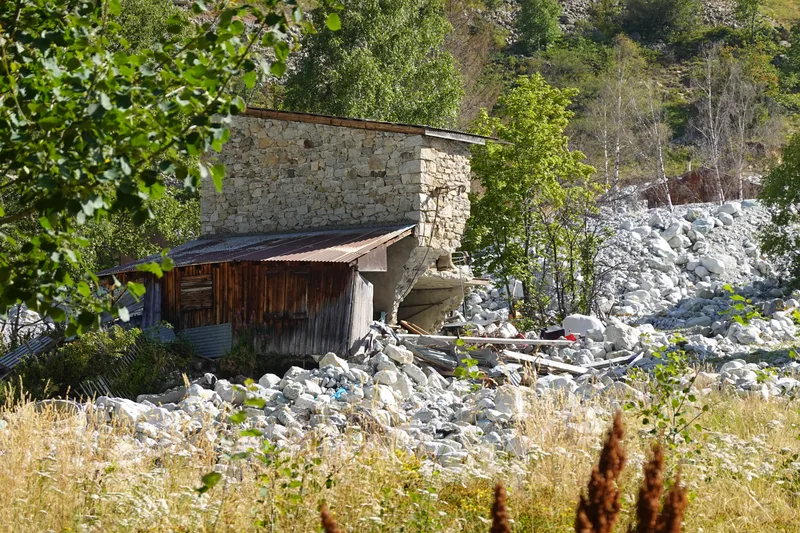
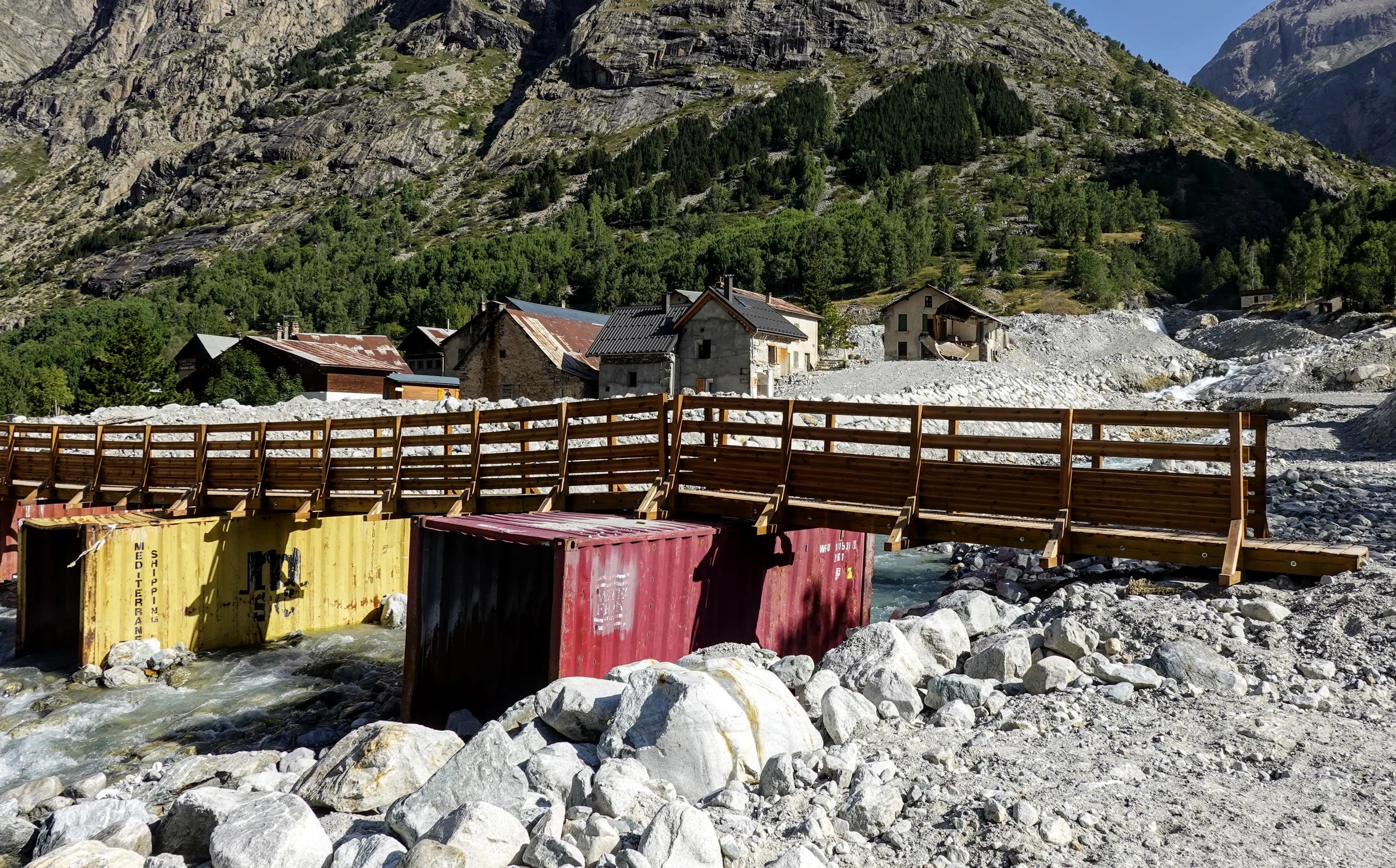
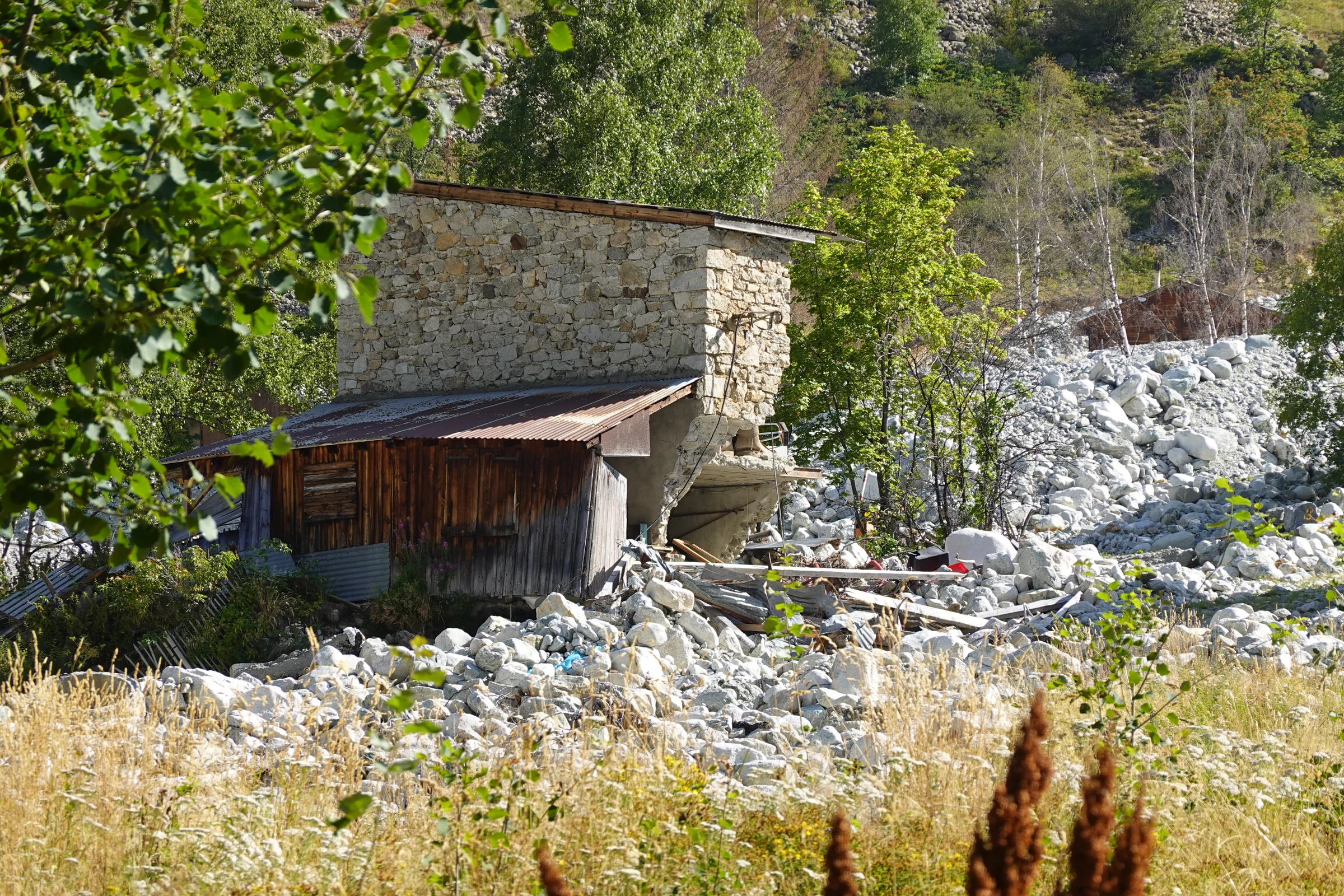
In August 2025 I spent a few days in the Écrins massif with two friends. La Bérarde is a small village at the head of one of the most pristine valleys in the French Alps, living almost entirely from alpinism and hiking tourism. In June 2024 it was struck by a combined storm and glacial lake outburst flood: a torrent of water and rocks ran through the village, and its inhabitants were evacuated in what became the largest airlift ever conducted in metropolitan France. When we walked through, a year later, barely any reconstruction had taken place. The village was completely silent and depopulated.
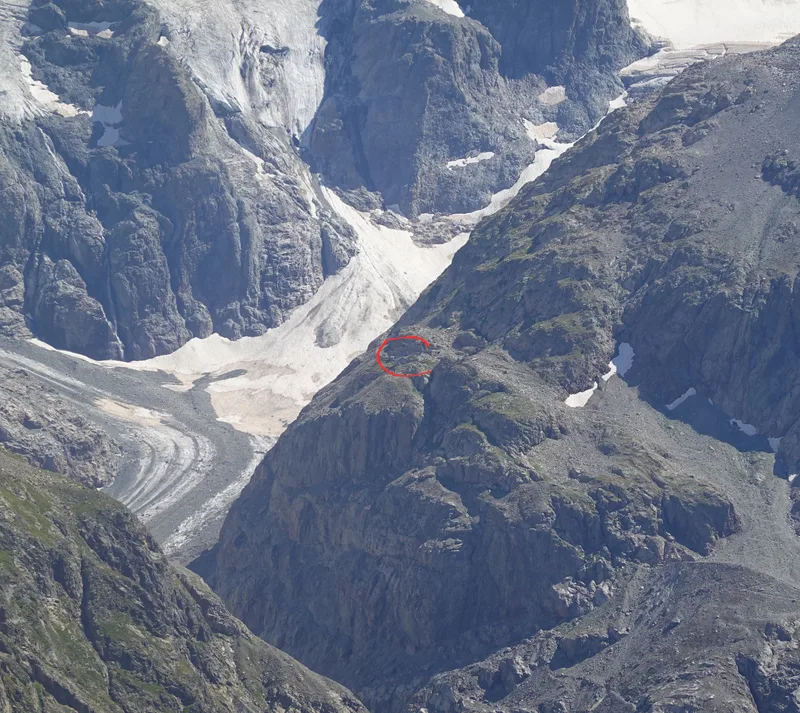
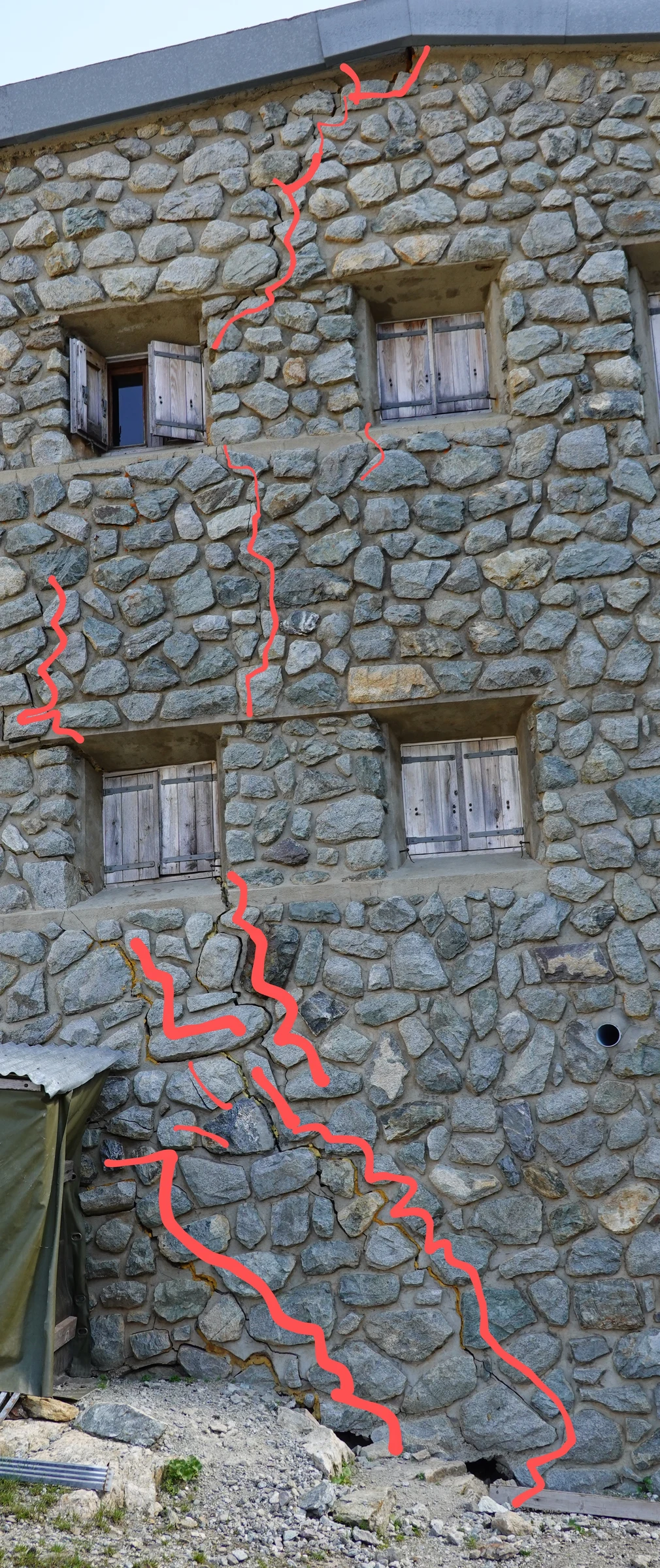
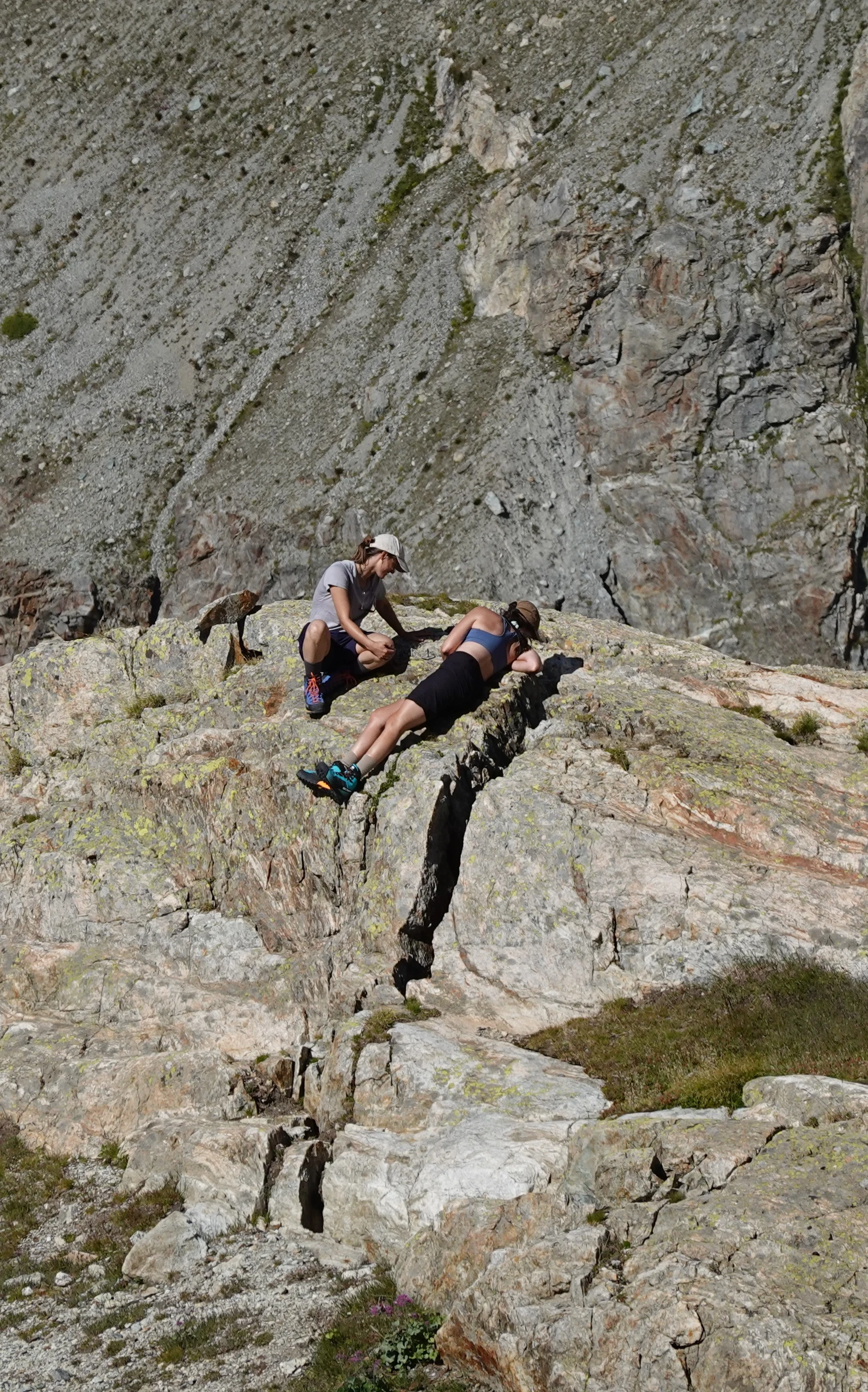
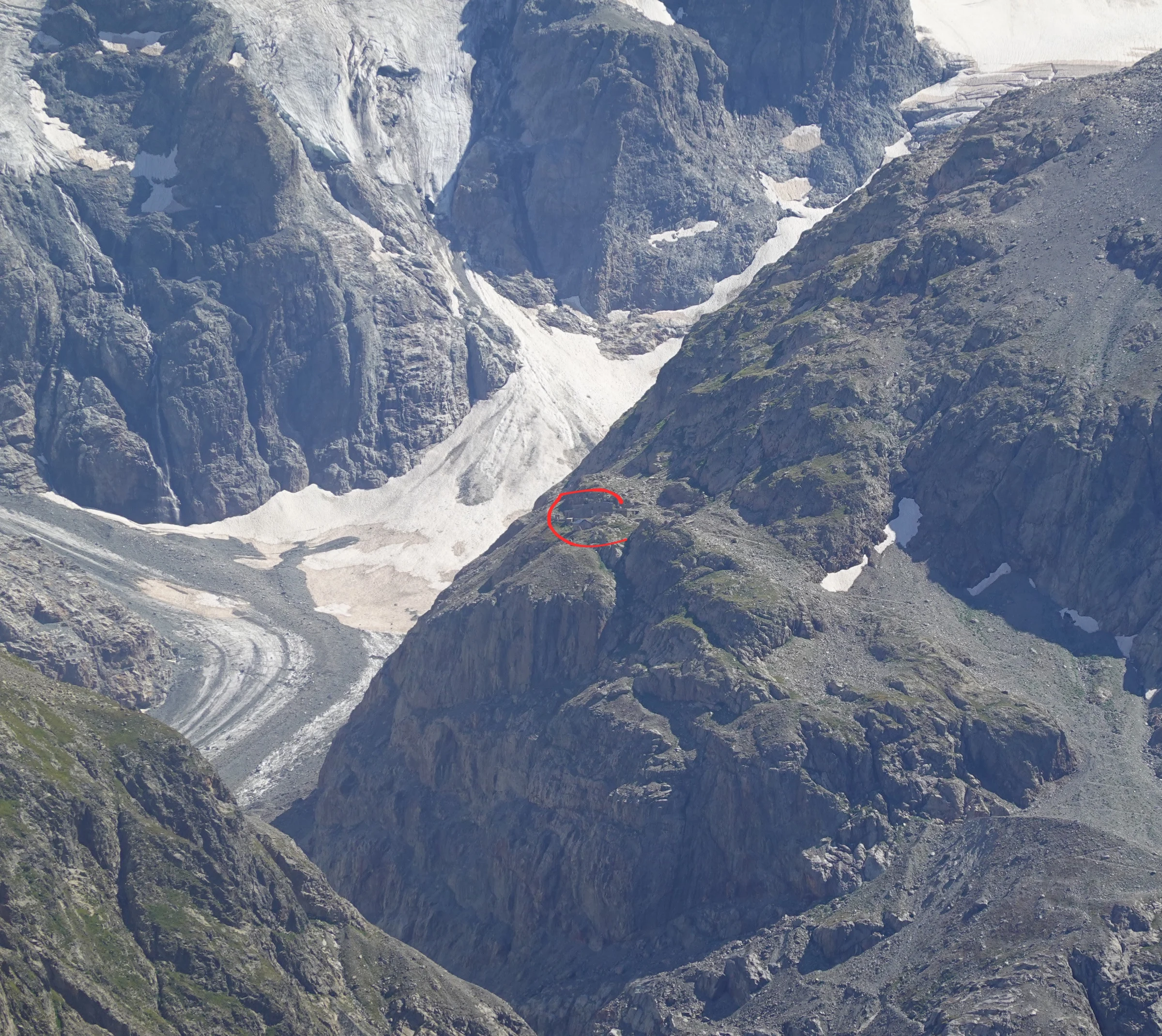
From La Bérarde we hiked up to the Refuge de la Pilatte, closed since 2020. A crack appeared in its walls, running not just through the building but through the whole mountainside, which is sliding toward the void left by the retreating glacier below. The refuge is not cracking; the mountain is.
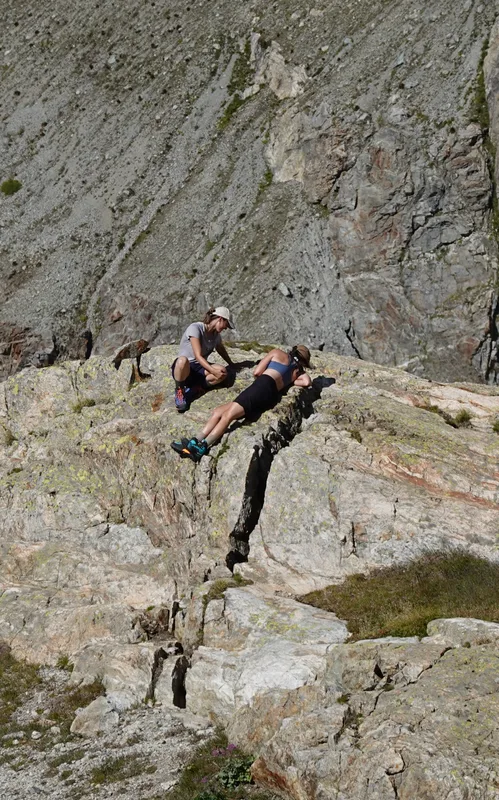
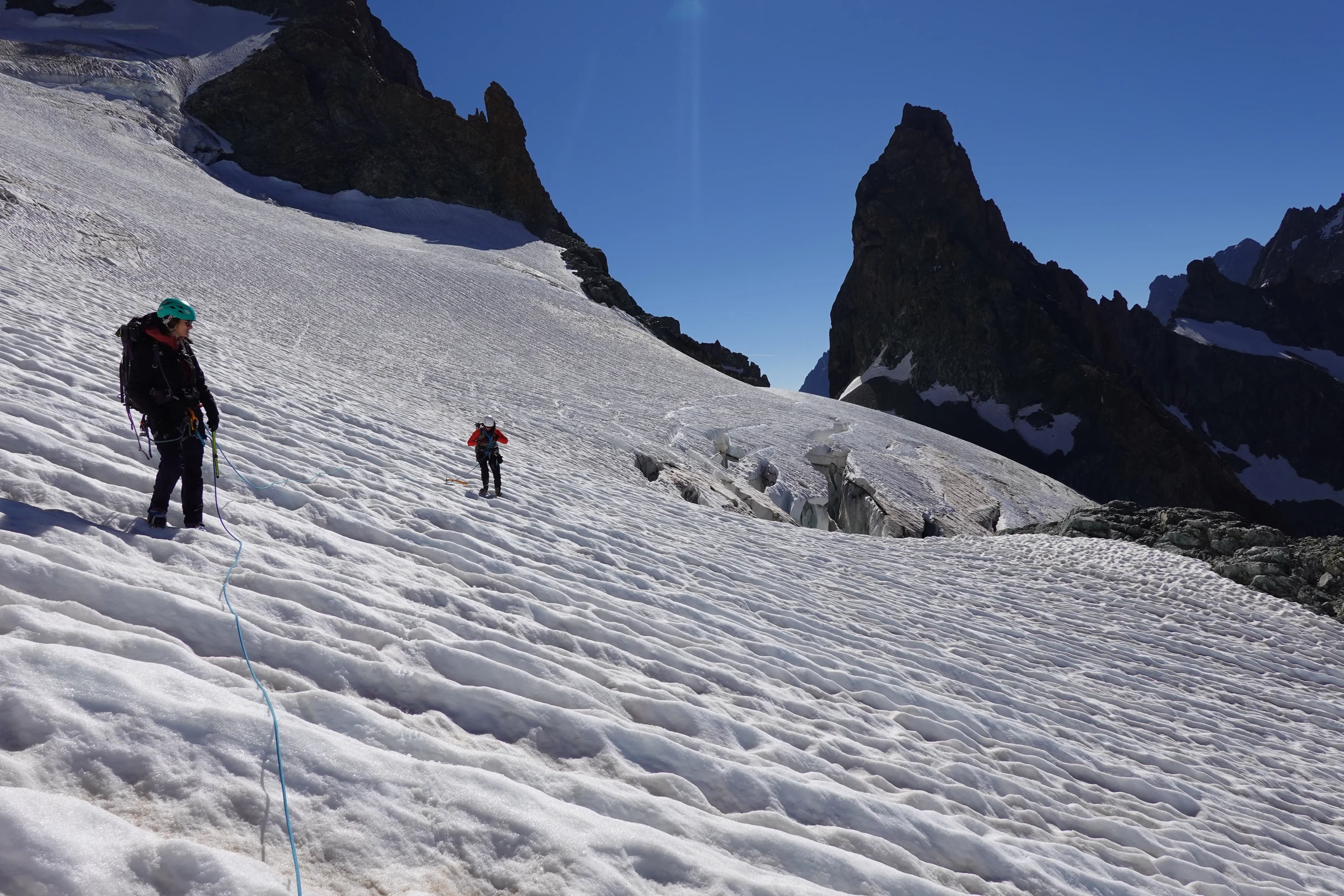
Above the hut, we climbed Mont Gioberney. What had been a long glacier walk a decade ago was now mostly scree and bare rock, with a somewhat pathetic glacier about a hundred meters long and quickly fading away in the final stretch.
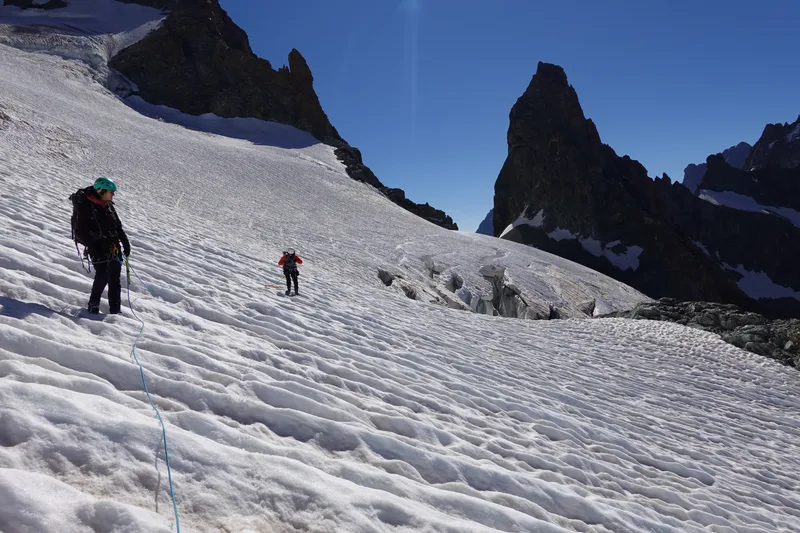
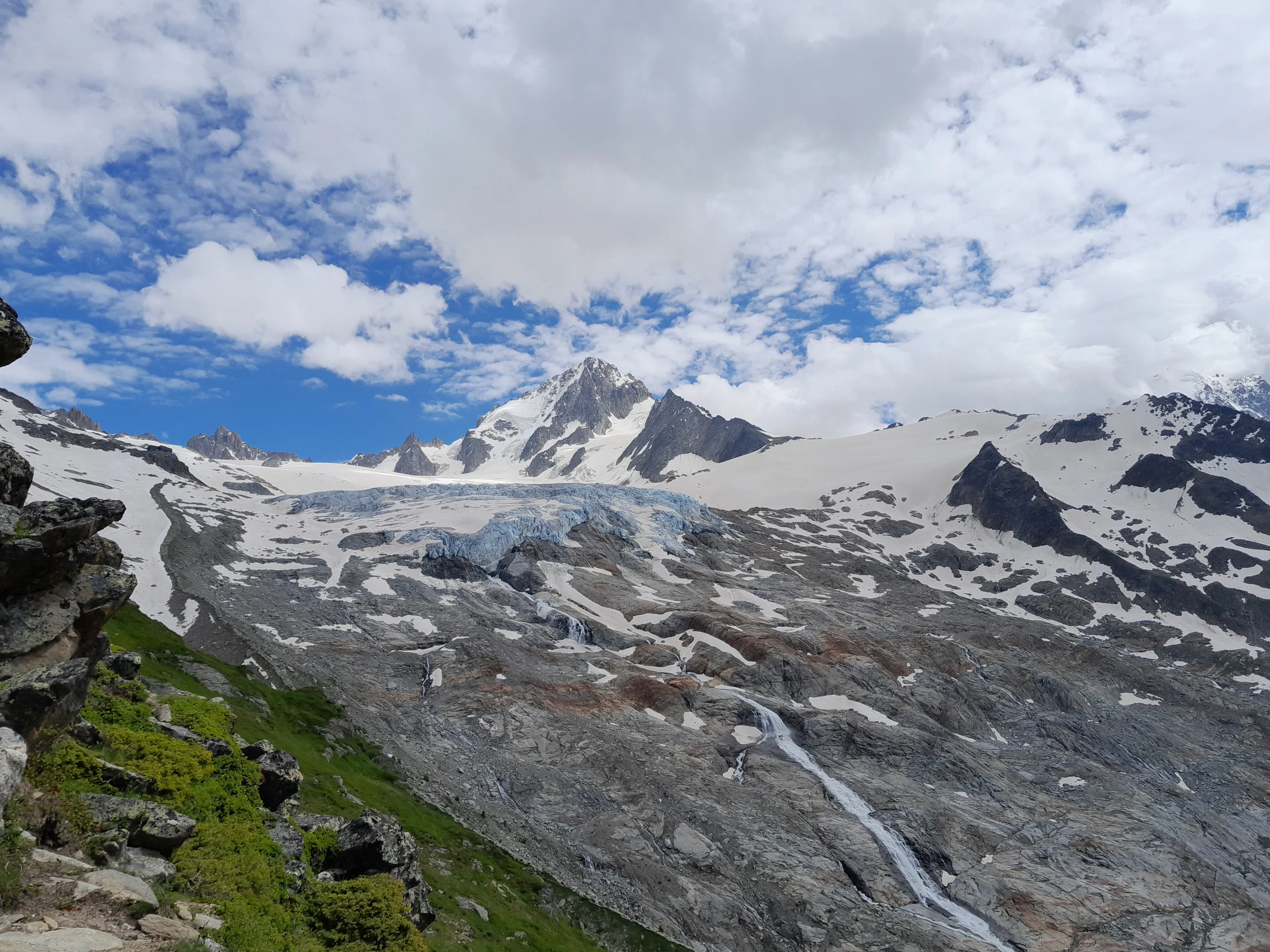
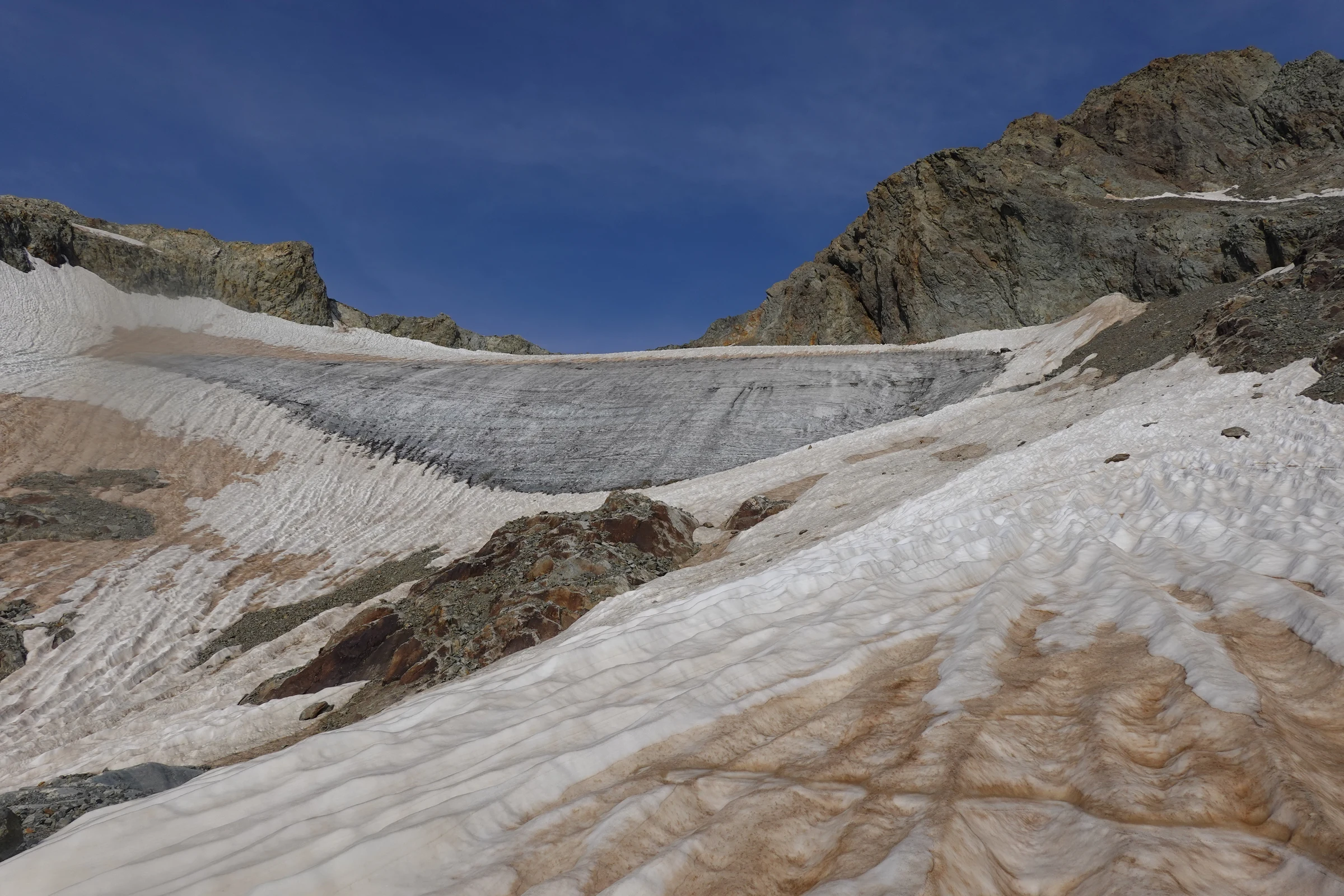
Later we hiked up to the Glacier du Vallon de la Pilatte and found it still looking mighty. But it is retreating too, and the timeline is clear.
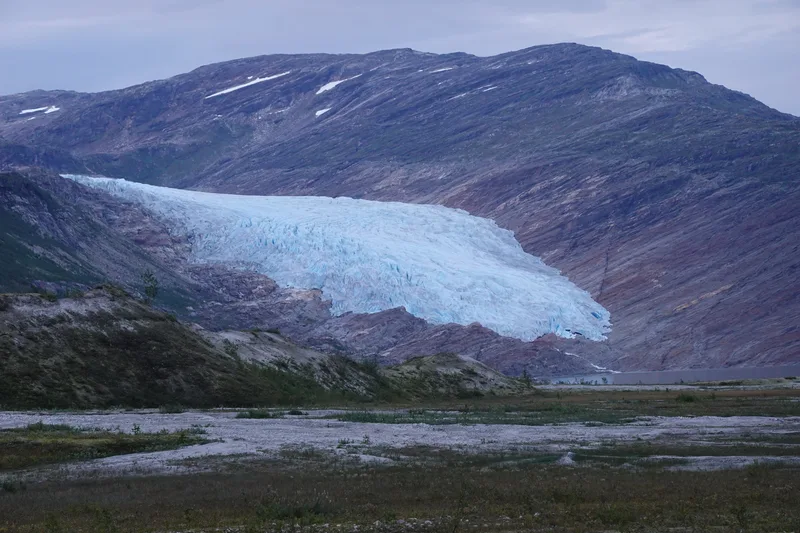
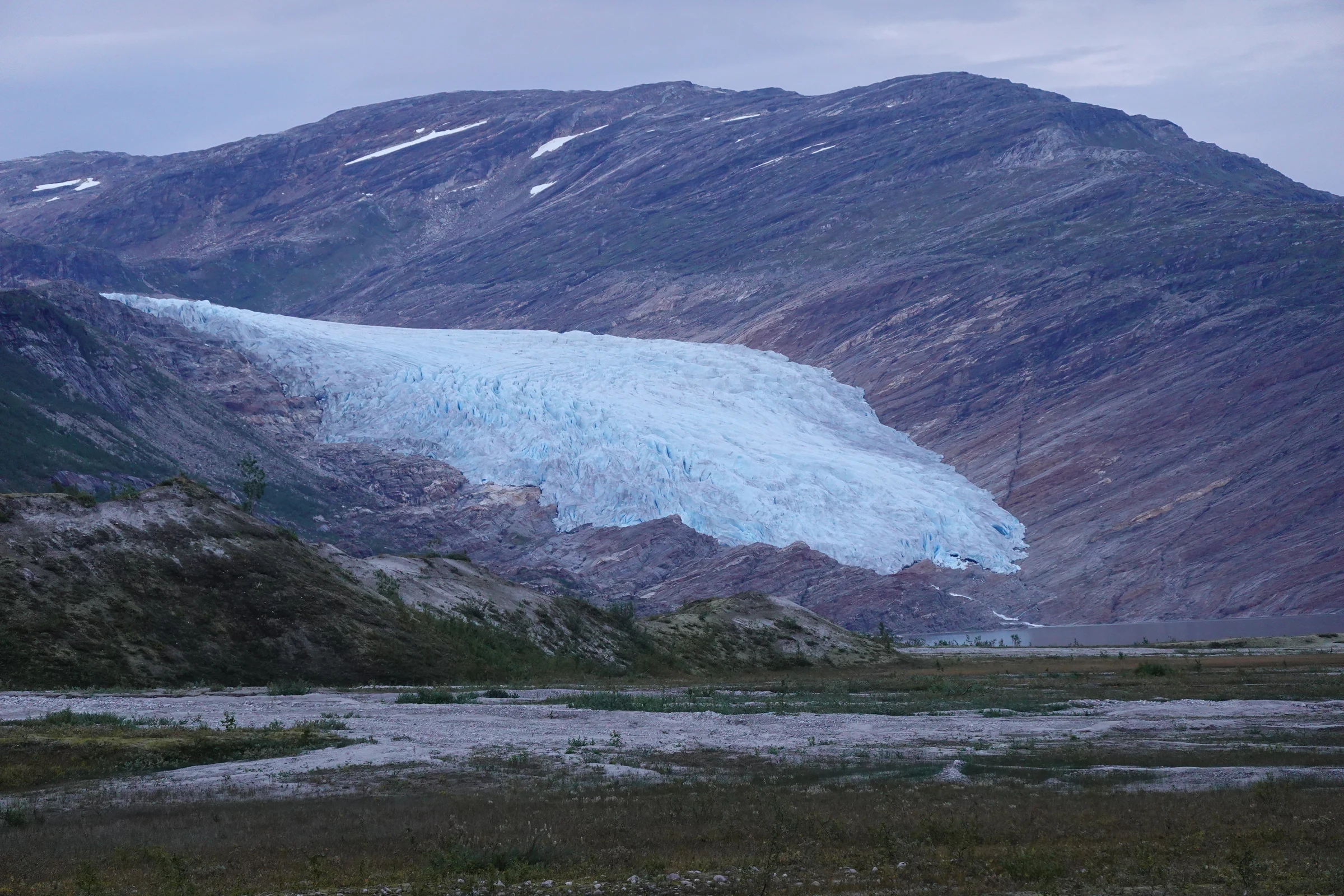
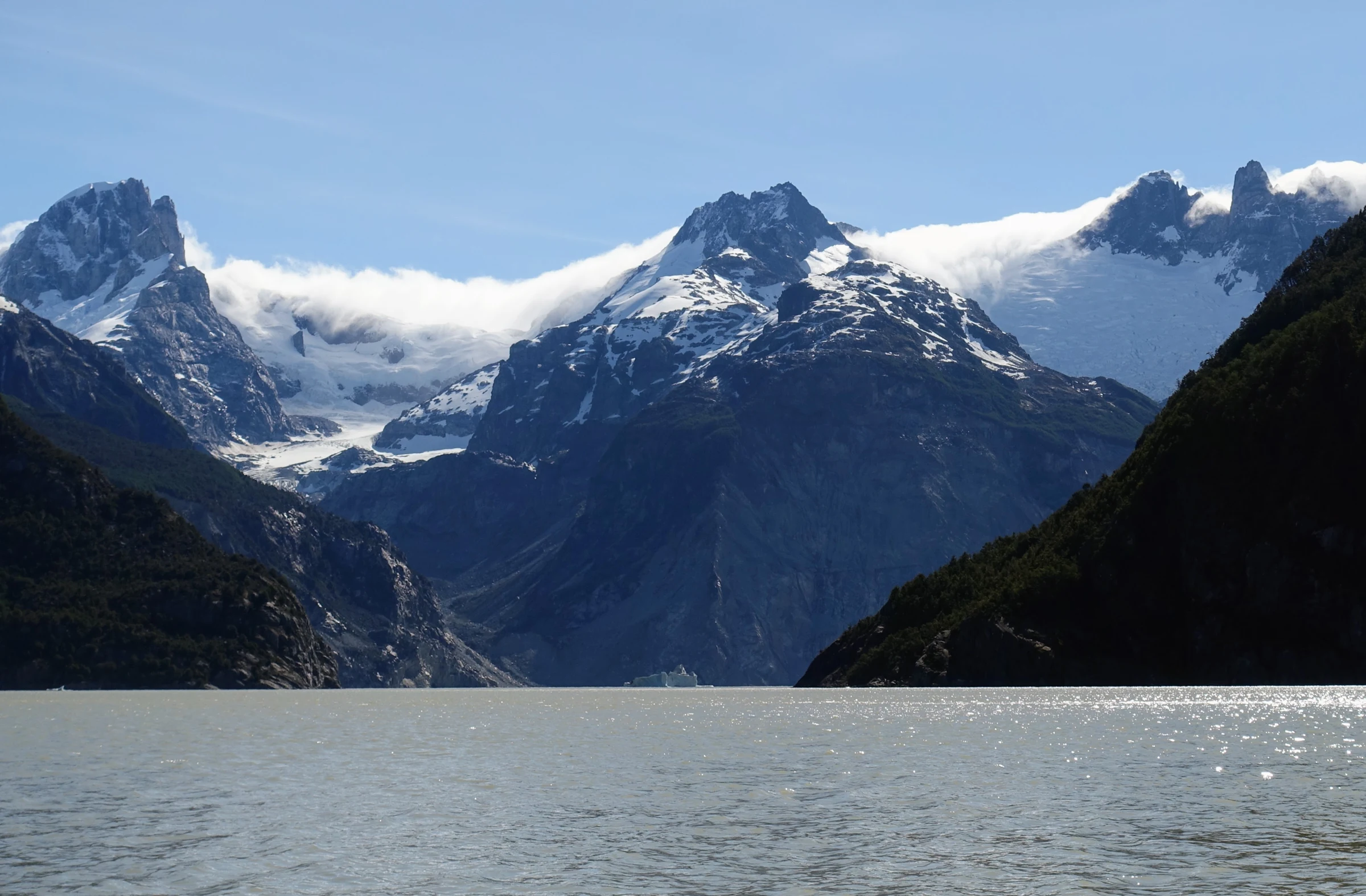
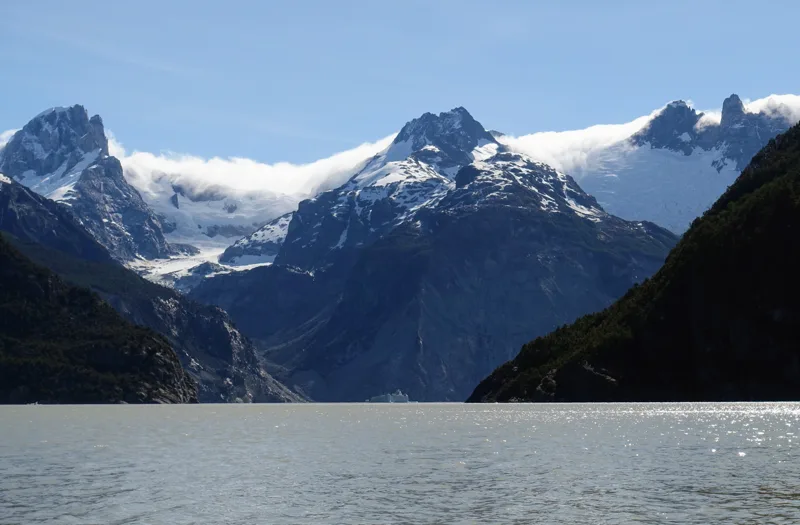
At the latitude of the Arctic Circle in Norway, the Austerdalsvatnet glacier once reached into the lake. It no longer does. In Patagonia, at the end of the glacial lake I crossed by packraft in 2024, a castle-shaped iceberg stood alone in the water: the last remnant of what had been a continuous wall of ice. Above it, the northern ice field was losing mass and altitude every year.
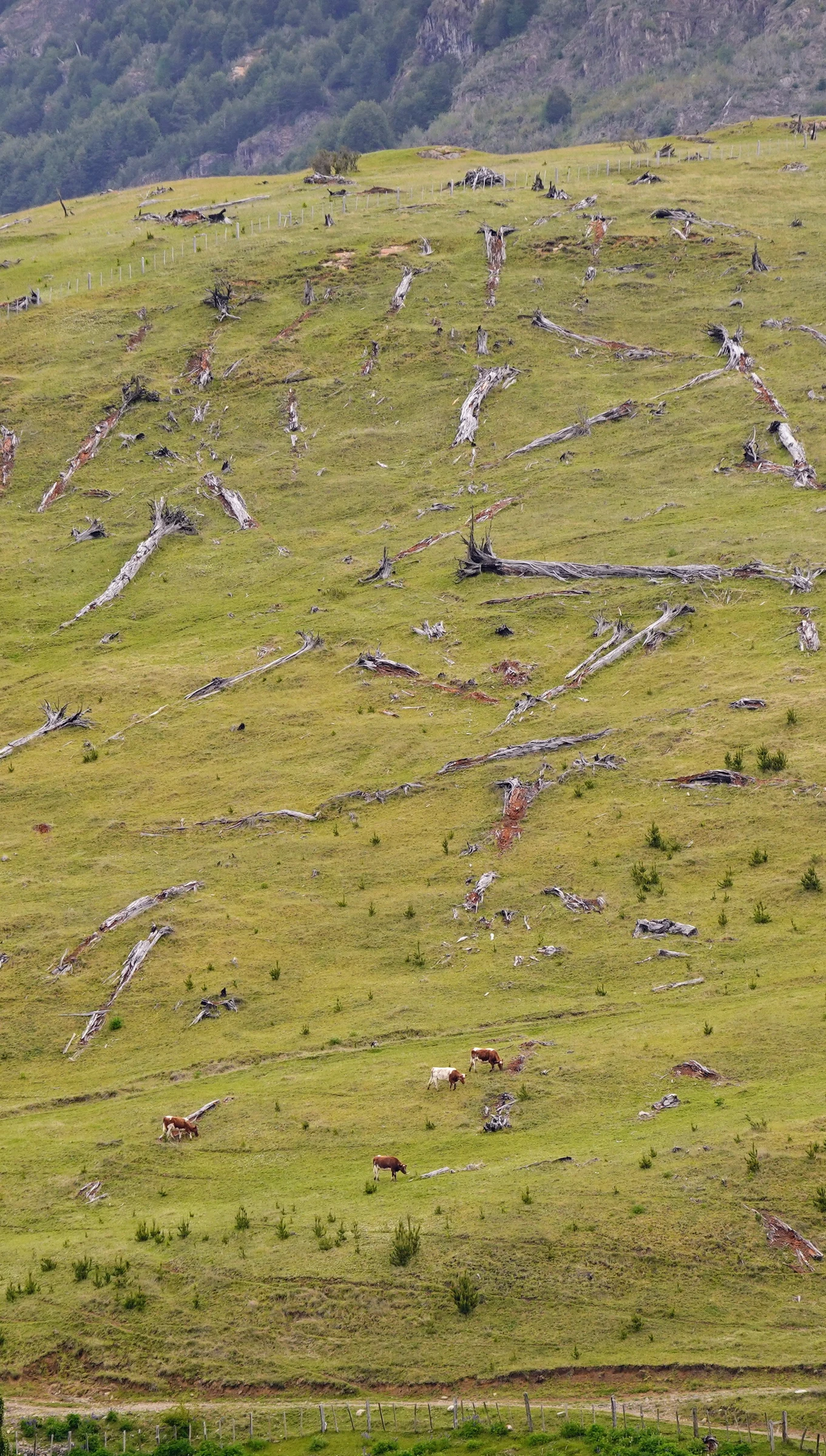
Not all of the damage is driven by distant emissions. In Chilean Patagonia, I was cycling past a hillside where a primary forest had been felled to make pasture. The giant trunks were still there, emerging from the grass like bones. In a few years the land will look like any other pasture, and the ancient forest will have left no trace. Cattle grazed around the stumps, unbothered.
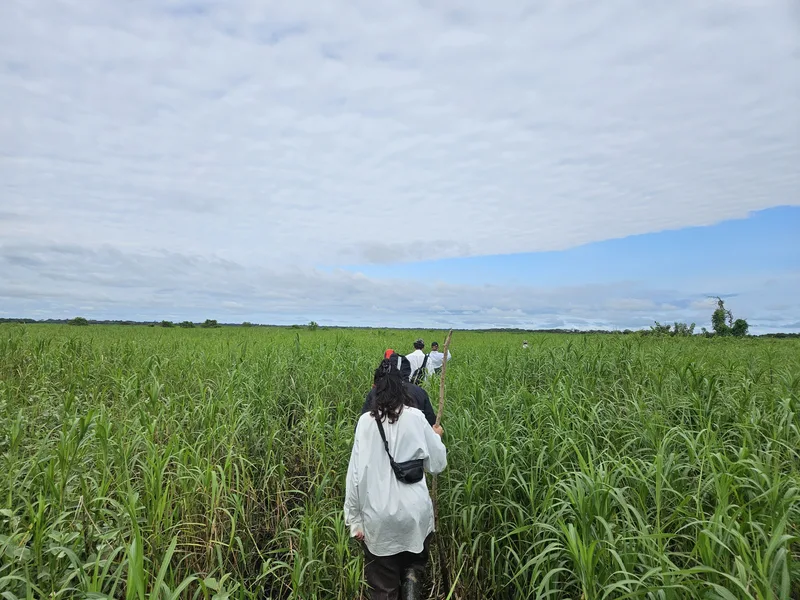
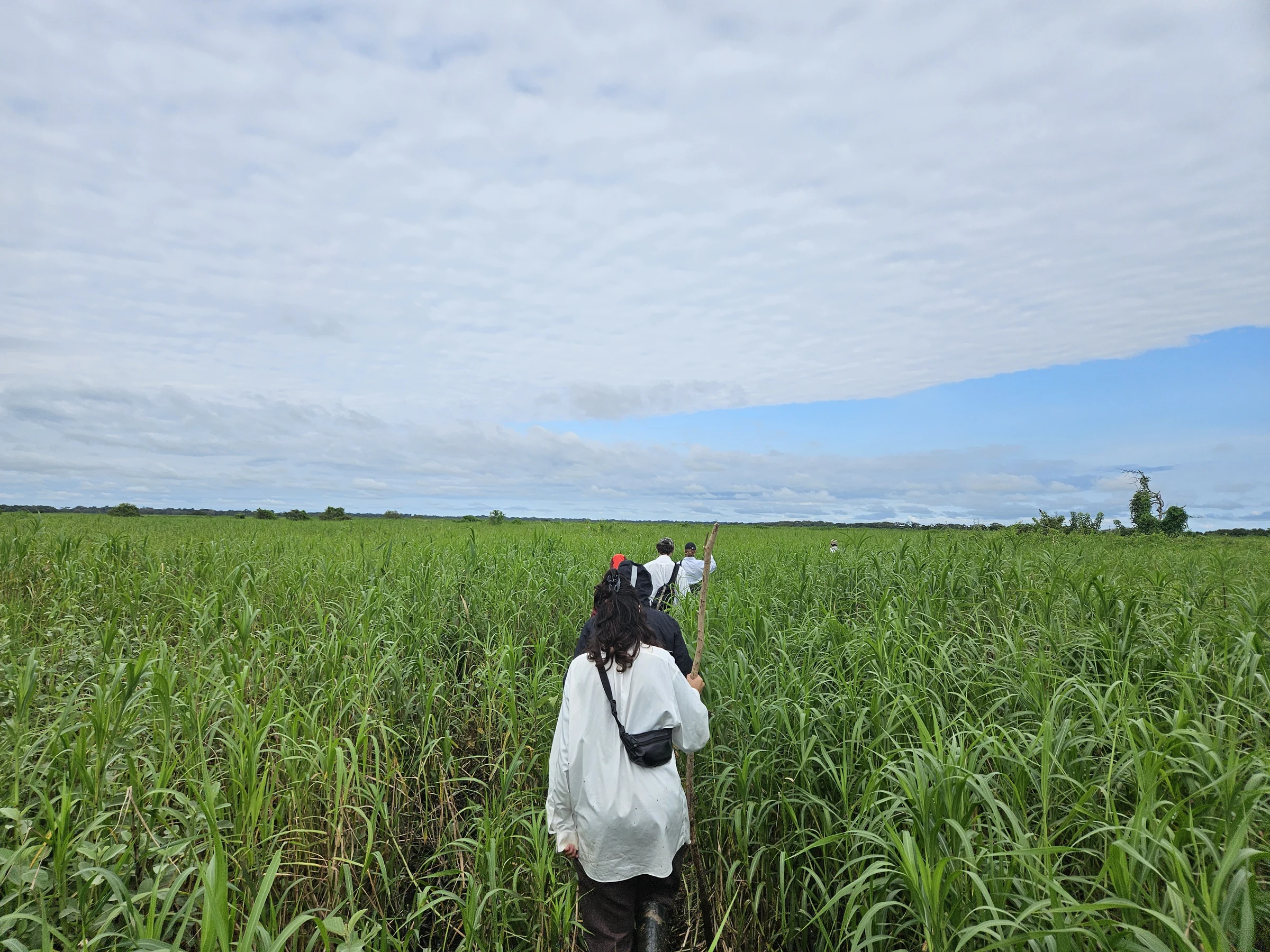
In Bolivia, on the edge of the Amazon, the same logic extends to wildlife. Villagers kill any animal that can threaten a calf. Anacondas and caimans get smaller with every generation because the large ones are culled. Jaguars are shot on sight. The ecological pyramid is being dismantled from the top. Paradoxically, tourism offers some protection in places like this: it gives local communities an economic reason to keep the wilderness alive. But that raises a question I don’t have a clean answer to: is it worth the emissions to get there?
The connection between a hamburger and a dead jaguar in Bolivia is real, but it is long and invisible. People who visit these places, even people who care, often don’t make it. They see beautiful nature without the context. They see a moraine-shaped gap in a mountainside and don’t know there used to be a glacier there. They see a pasture and don’t know what it replaced.
There are still many places in Patagonia and elsewhere that no human has ever set foot on: entire valleys, ridgelines, stretches of forest that are genuinely untouched. They are already being transformed by climate change and will be gone, or unrecognizable, before any human has had the chance to see them.