In 2023 I spent a few days in the Ecuadorian Amazon. I found the bugs manageable. Two years later I decided to go deeper.
Preparation

I spent a while choosing a location. I wanted somewhere with pristine, untouched nature and no human complications I couldn’t assess from a continent away. I settled on Parque Nacional Madidi in Bolivia, one of the most biodiverse protected areas on Earth, and relatively accessible for a solo traveler.
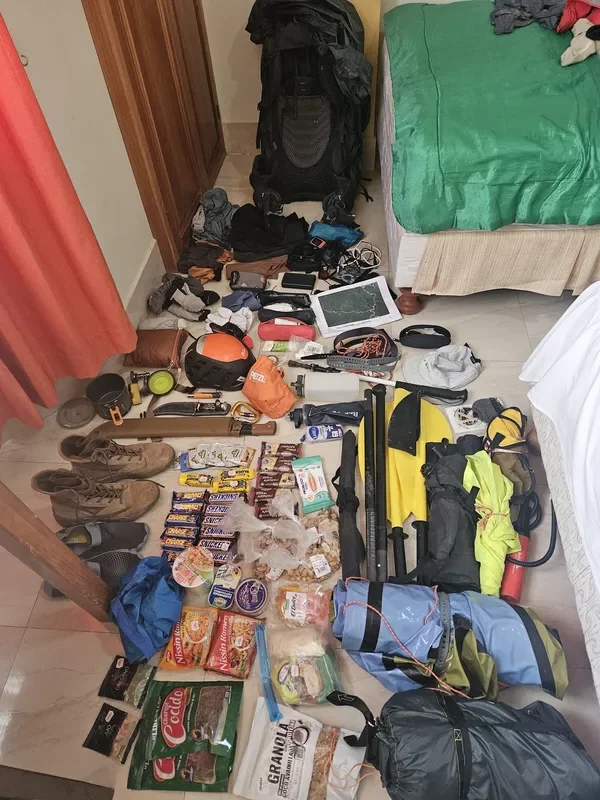
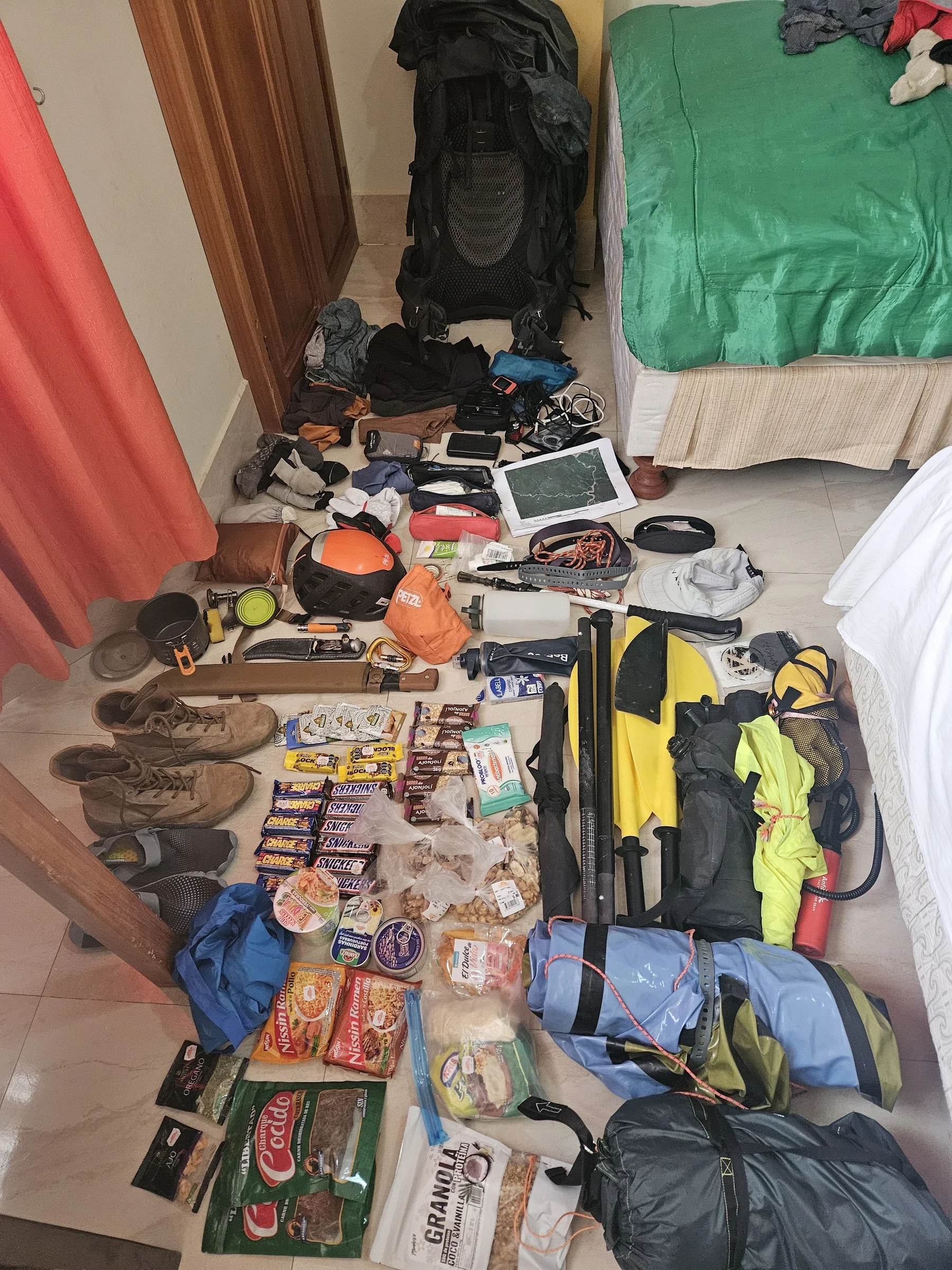
I wasn’t ready to go fully unsupported. After contacting several local outfitters (most refused outright), I reached an arrangement: a single guide would accompany me for the first day and a half, by car, motorized pirogue, and then on foot through the jungle to Río Eslabon. From there I would be on my own for up to five days, paddling down the Eslabon, Tuichi, and Beni rivers back toward civilization. I would check in daily via satellite messenger, and a guide would be on call to come get me if needed, though this might take a couple of days. My itinerary had been vetted as realistic.
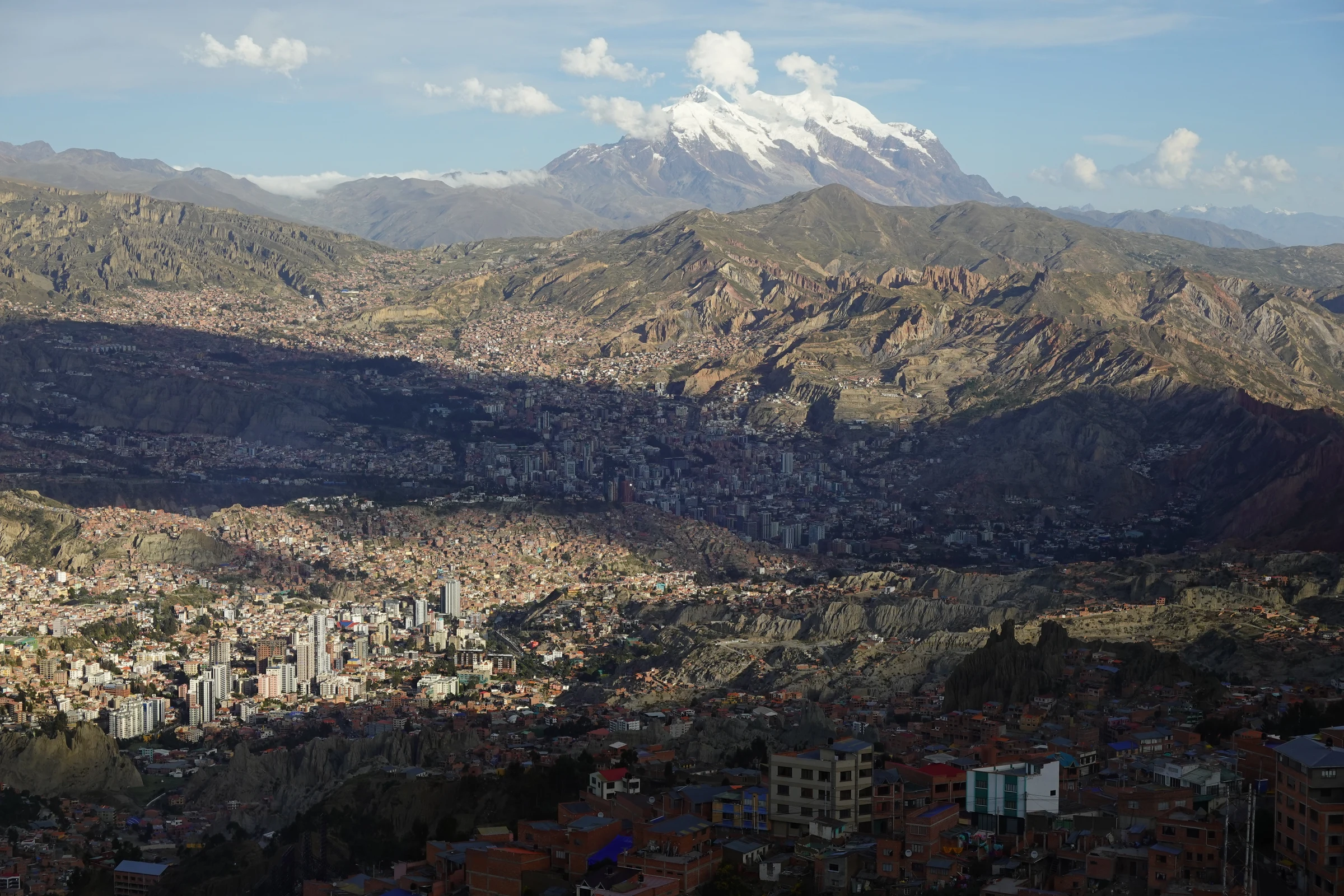
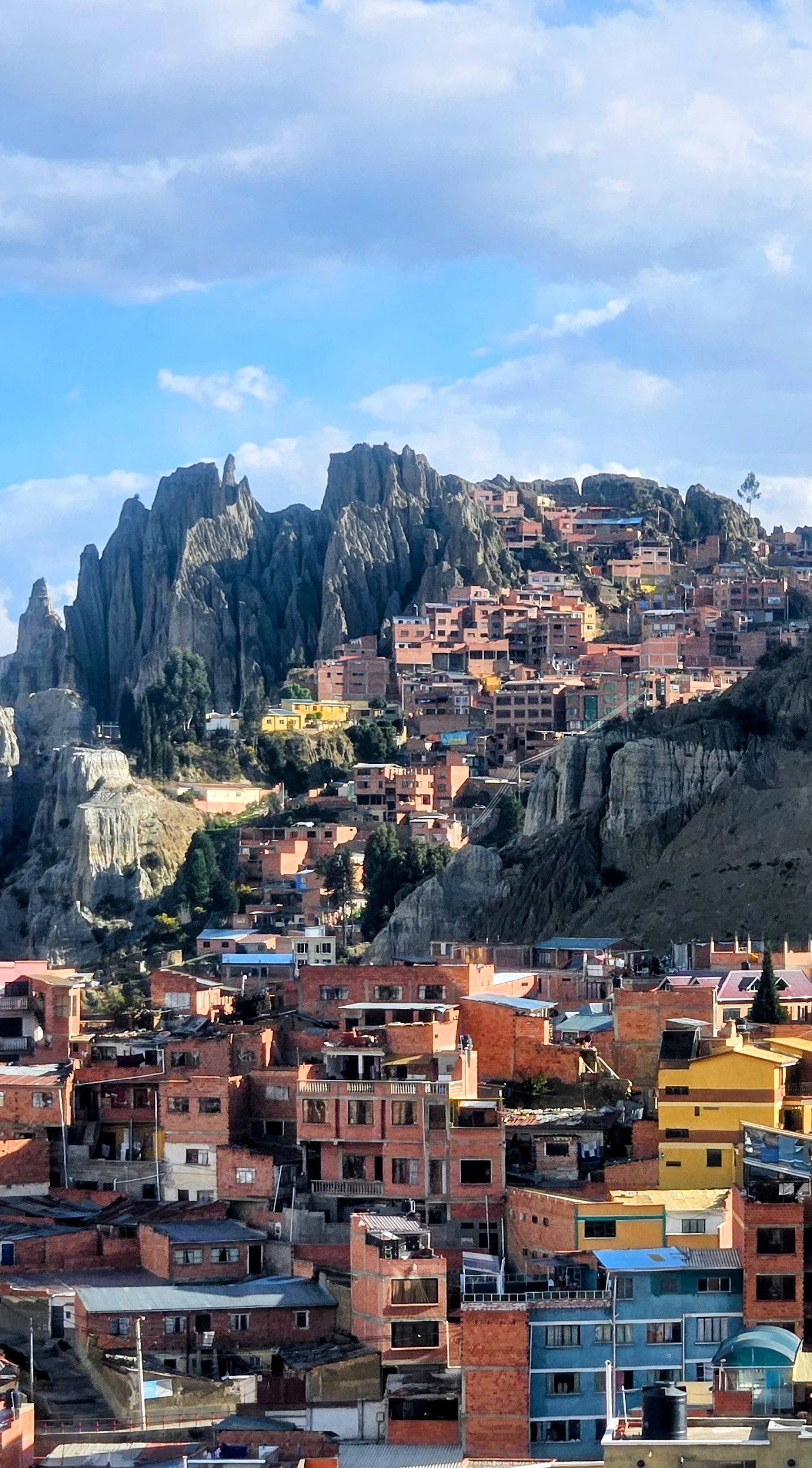
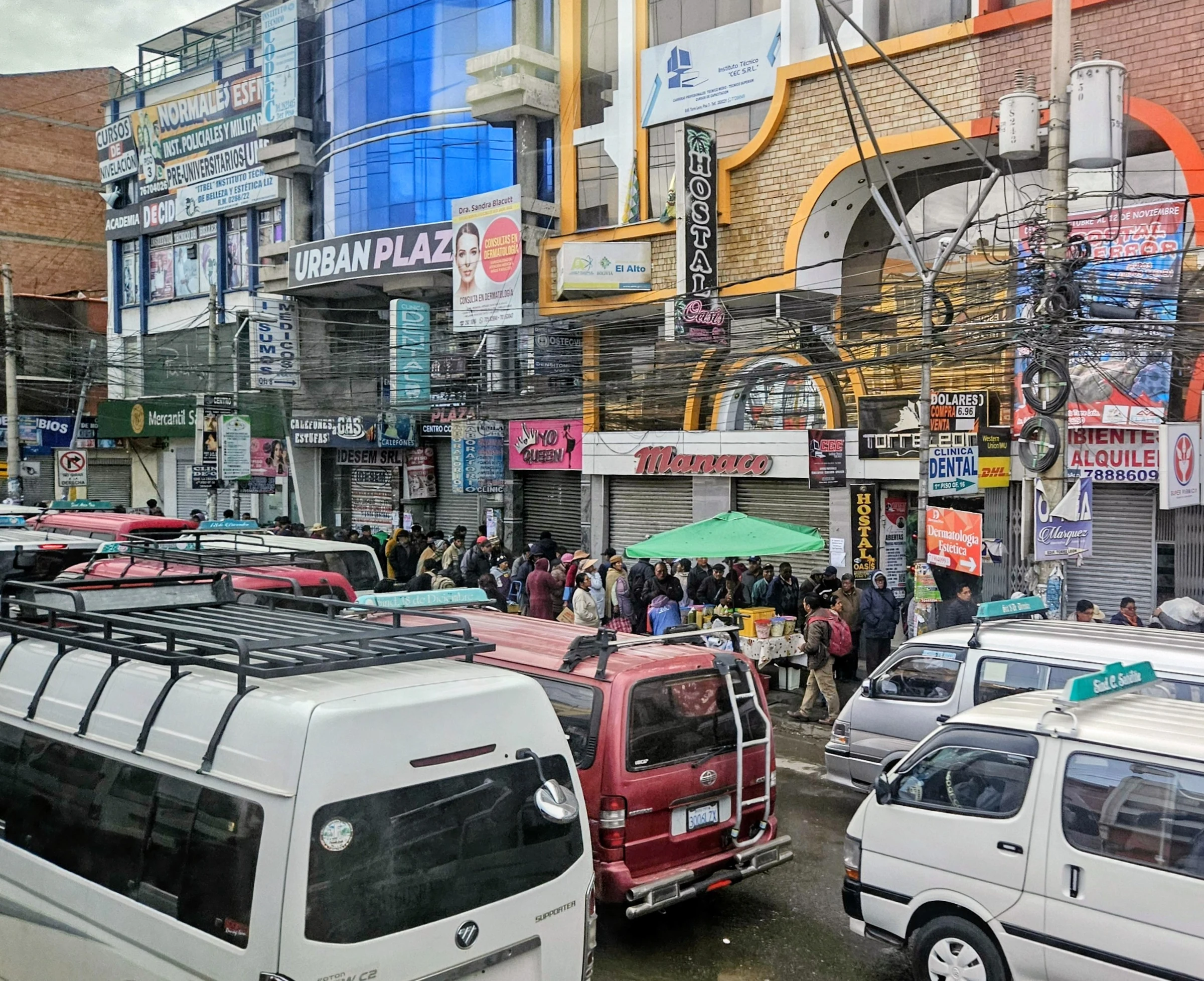
A few days before departure, I was in La Paz. Perhaps the most astonishing city I have ever visited, climbing steeply from 3,600 to over 4,000 meters, buzzing with relentless activity at an altitude where breathing is hard. I spent the days hunting for last-minute gear: a local machete, a small belt knife, permethrin for my clothing (unavailable anywhere in Bolivia, to my frustration), and lyophilized food that would keep in the humidity, including some dried Llama. Then I dropped nearly 4,000 meters in altitude to the jungle town of Rurrenabaque.
Approach
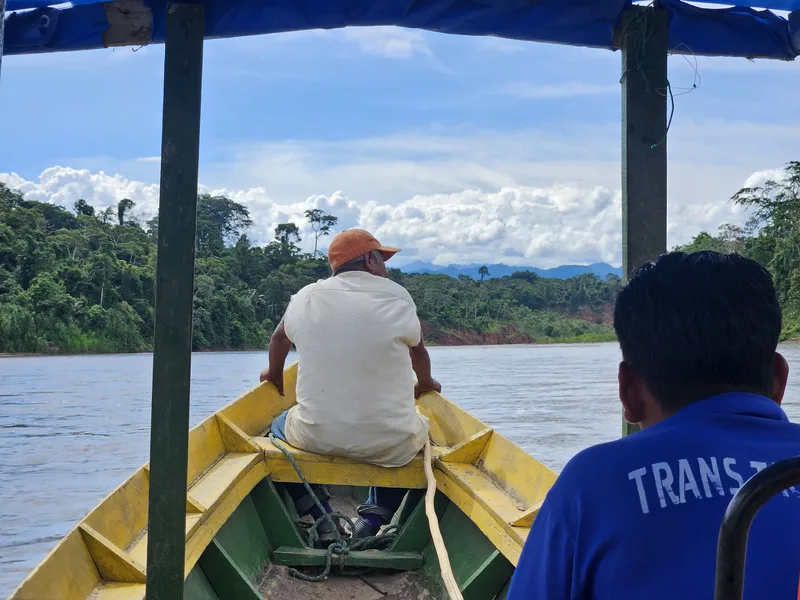
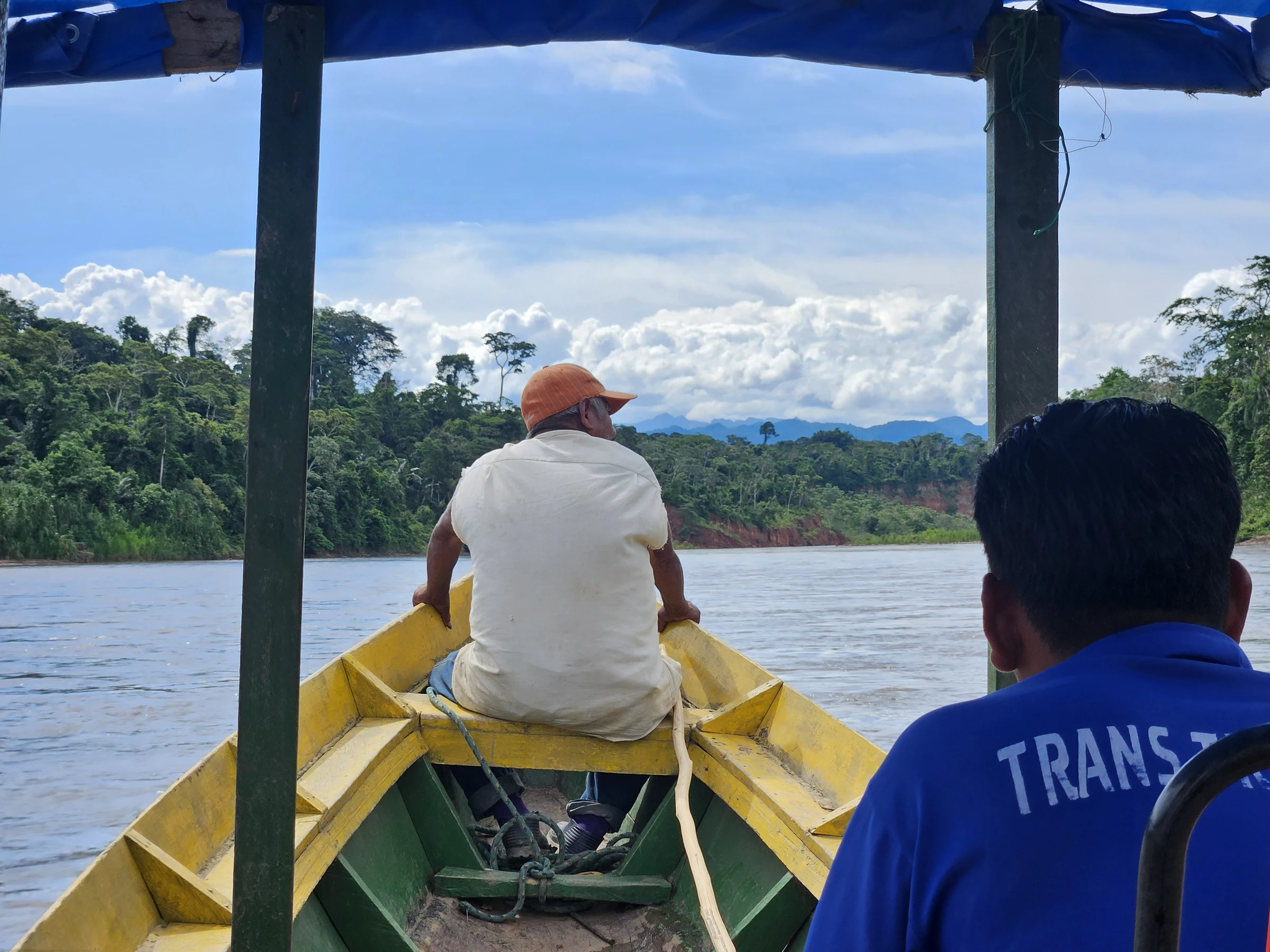
The rainy season had arrived three weeks early. The road to the original put-in was flooded, and my designated guide was stranded on the wrong side of a washed-out dirt road, so he could no longer reach me in Rurrenabaque. Replacements were found: three of them. An experienced older guide with a bad leg who couldn’t walk through the forest (let’s call him Gramps), a muscular and short-tempered local who slashed through the undergrowth at a sprint (Machete), and a perpetually trailing fourth member of the party (Rearguard). We took a longer detour by motorized pirogue to avoid the flooded road.
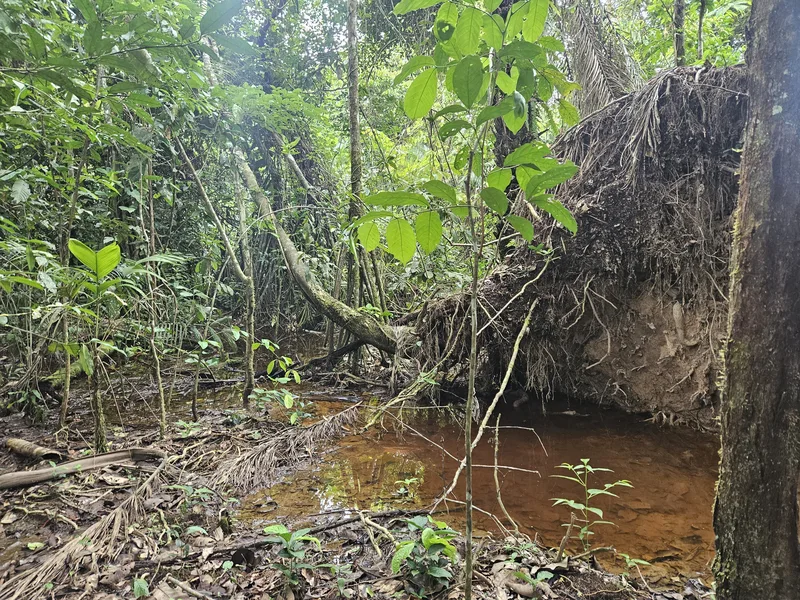
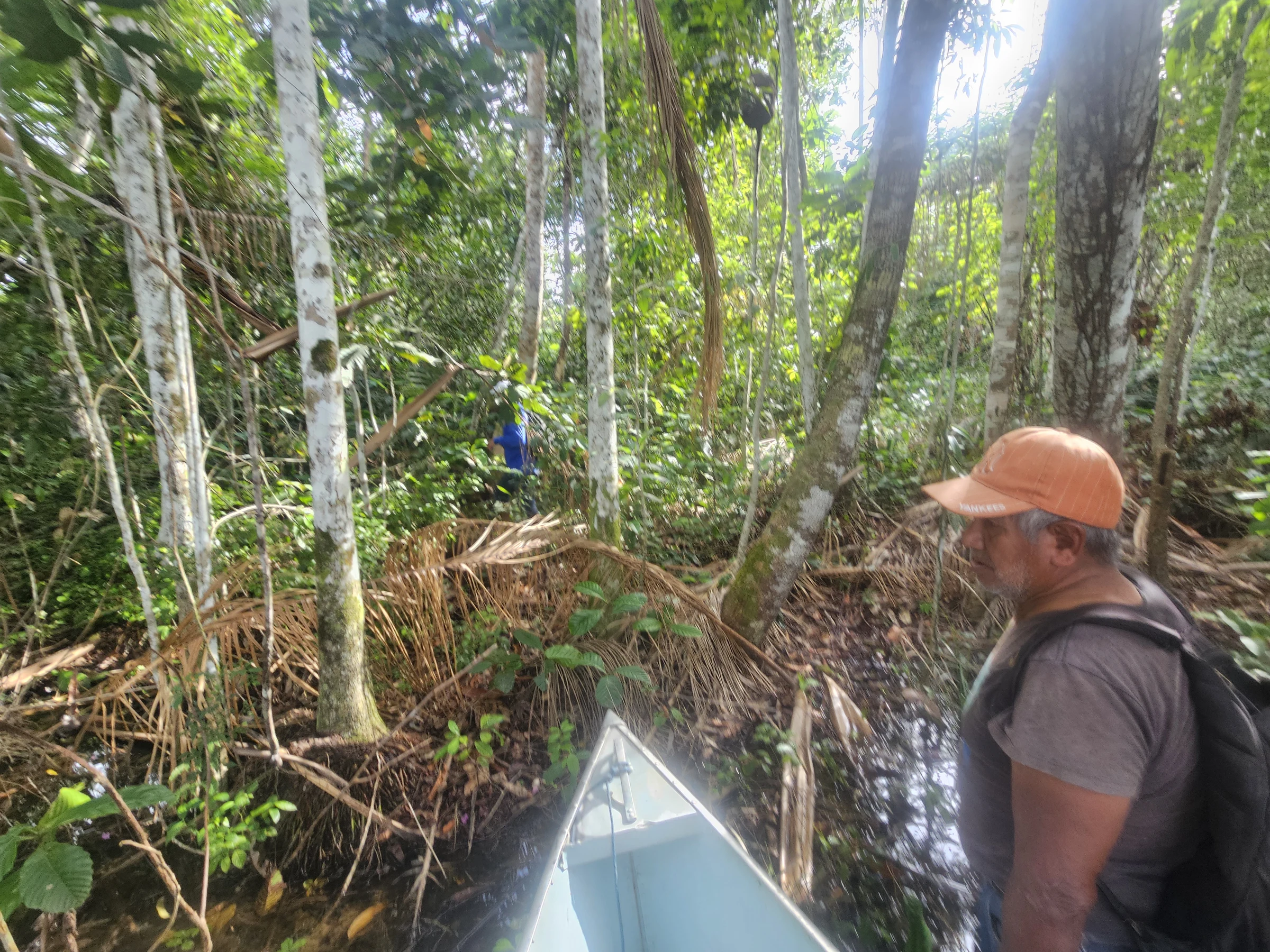
As we entered the forest, Gramps pulled me aside. The caimans in this part of the forest, he said, don’t grow large enough to be a real threat. Jaguars are rarely a concern. But freshwater stingrays are: invisible in the murky river shallows, and their venom can be deadly. He wished me luck, and I set off with Machete and Rearguard — Machete sprinting ahead, Rearguard somewhere behind me, the two of them yelling at each other over my head as I jogged through the undergrowth with a twenty-kilogram pack. At five in the afternoon we reached the Eslabon. Machete told me: “There you are, inflate your boat.” And he turned around and left, intercepting Rearguard on the way. So much for a day and a half with the guide.
The first night
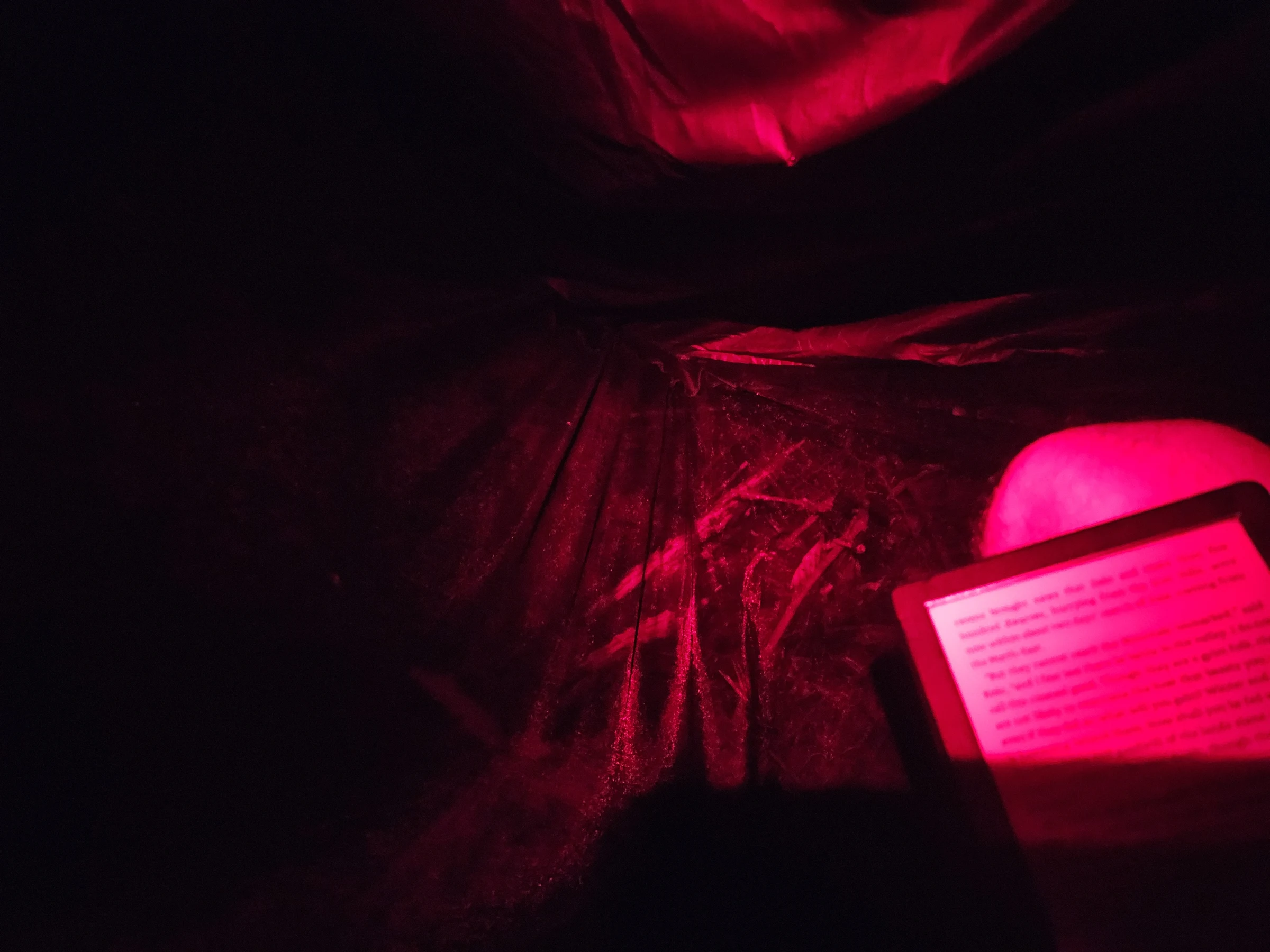
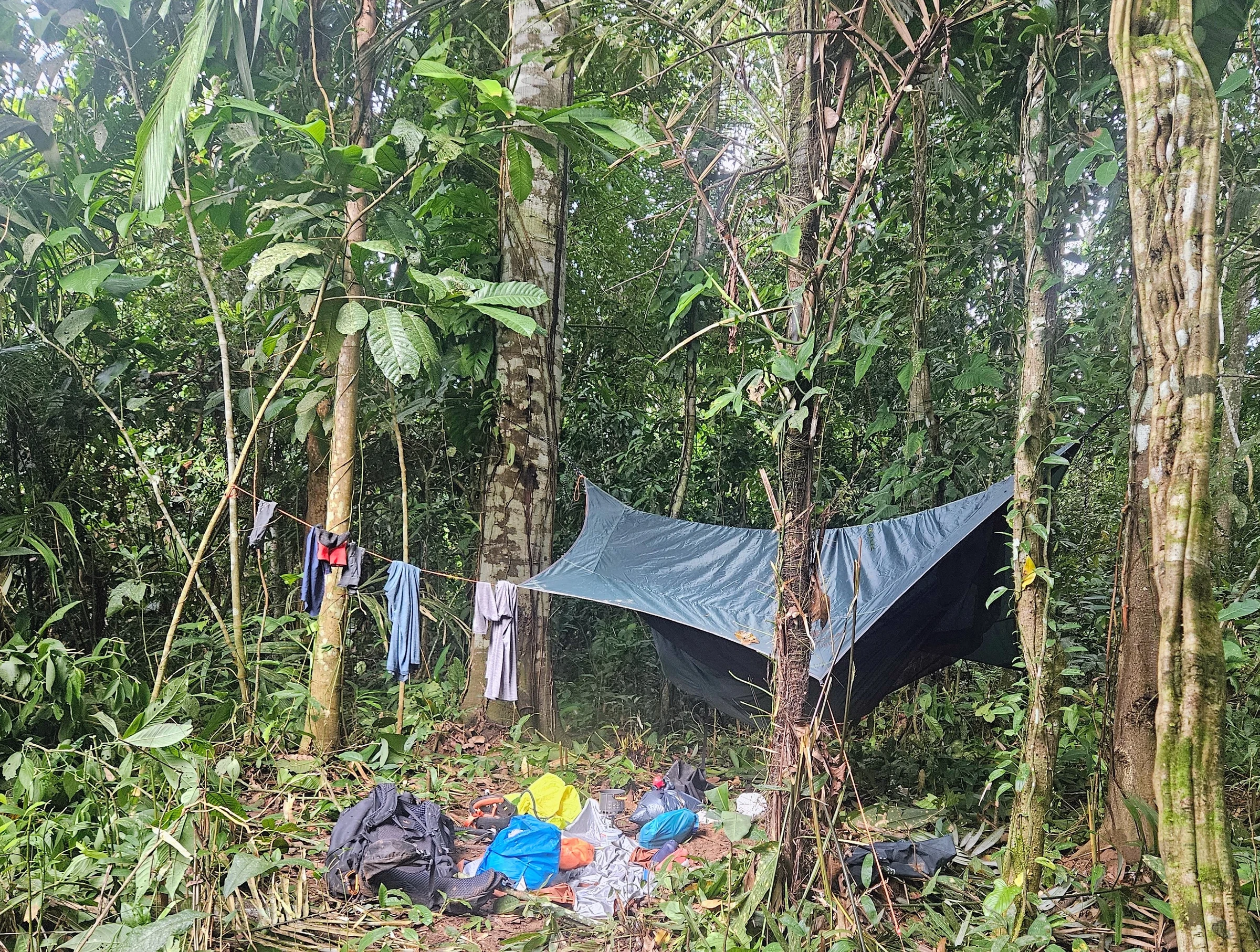
Near the equator, night falls around six. Mosquito rush hour was already in full swing when we arrived. I was still new to hammock camping and, under pressure, made a mess of it: wrong trees, too much tension on the suspension. As I climbed in, I heard a faint crack. It was already dark. I decided to hope for the best and fell asleep listening to the extraordinary cacophony of the Amazon at night.
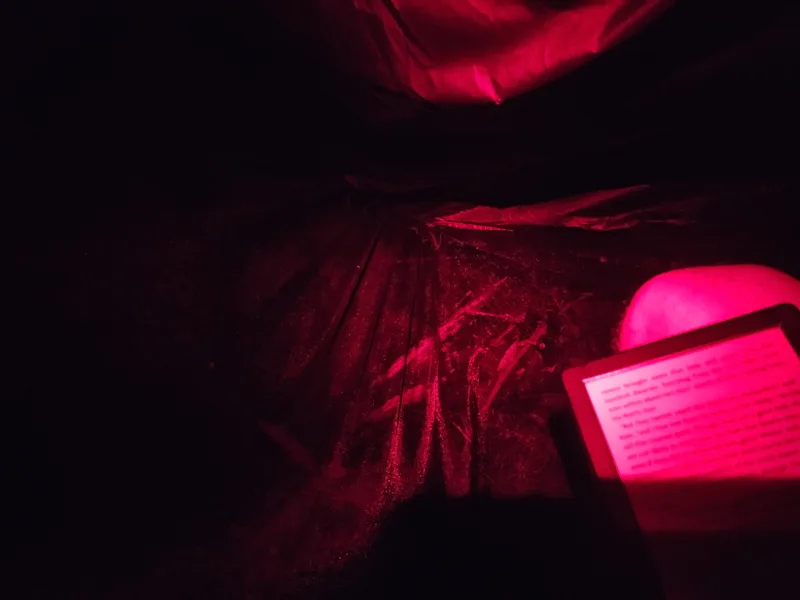
What a night in the jungle sounds like. Recorded from inside the hammock. The eerie, wind-like wailing in the background at 0:25 and 0:44 is almost certainly a distant howler monkey.
I woke at one in the morning when the tree broke in half. I landed on the forest floor in complete darkness, arms over my head instinctively, but the tree fell away from me. The hammock still had me fully enclosed. I figured I was still enclosed in the hammock and couldn’t fall any lower, and went back to sleep on the forest floor.
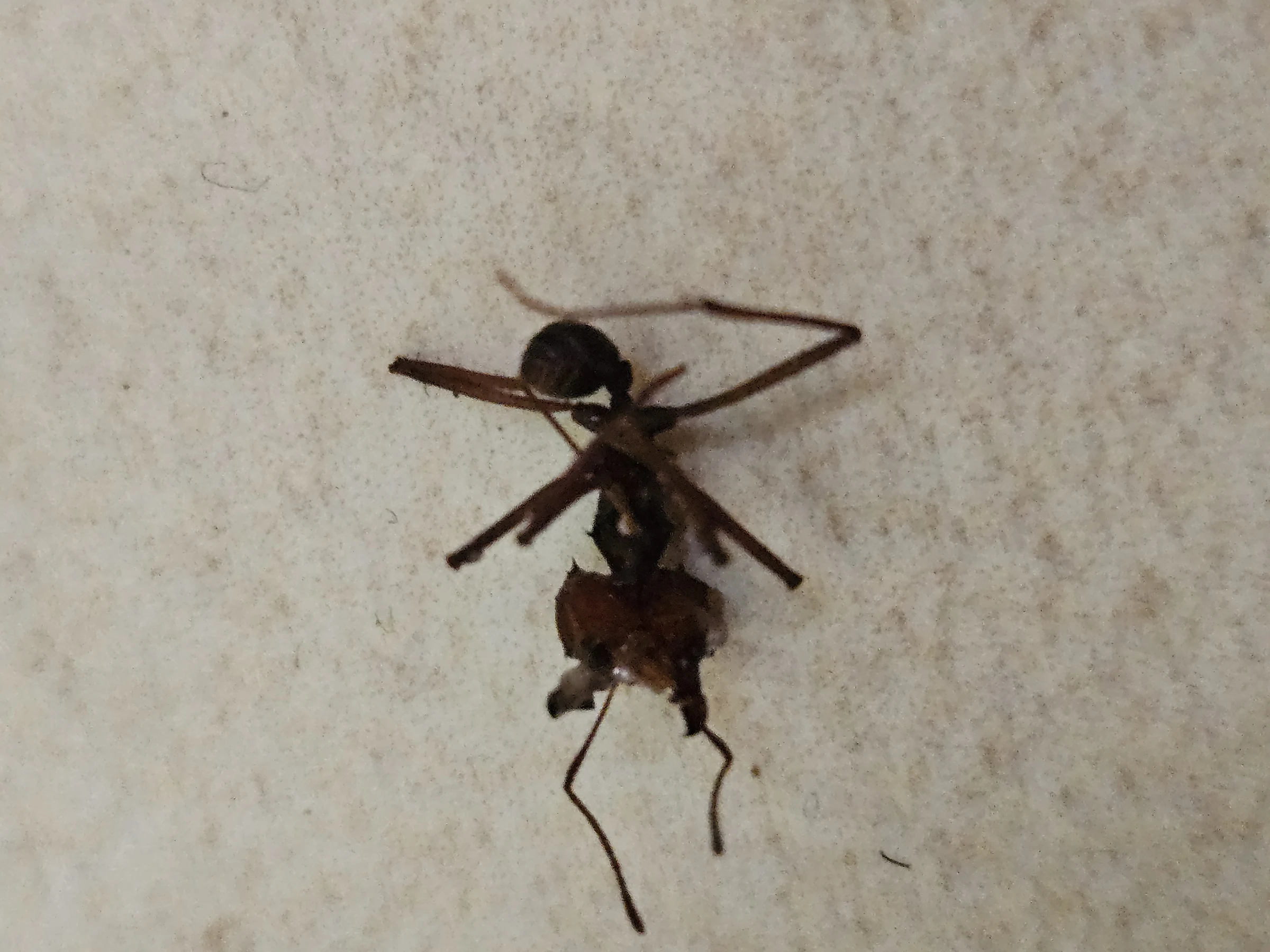
At half past one, an odd tickling sensation — and bites. I was covered in ants. When the tree fell, they had found their way up the hammock cord and in through a small eyelet in the fabric. I killed every ant I could find, blocked the eyelets with thin sticks, and slept again. At four-thirty, a lightning storm. The hammock, no longer sheltered by the tarp, was getting wet. Damn it.
Paddling the Eslabon
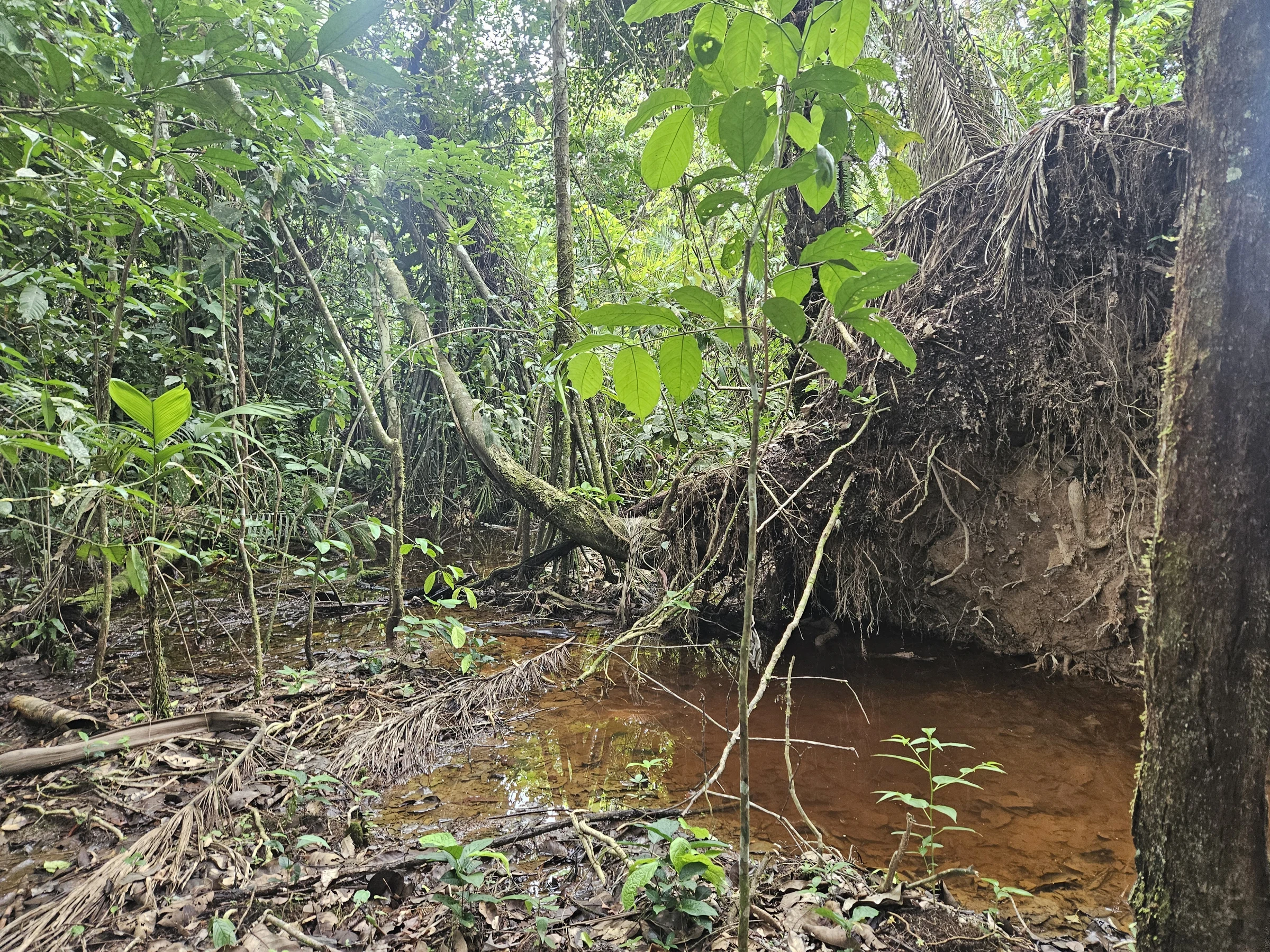
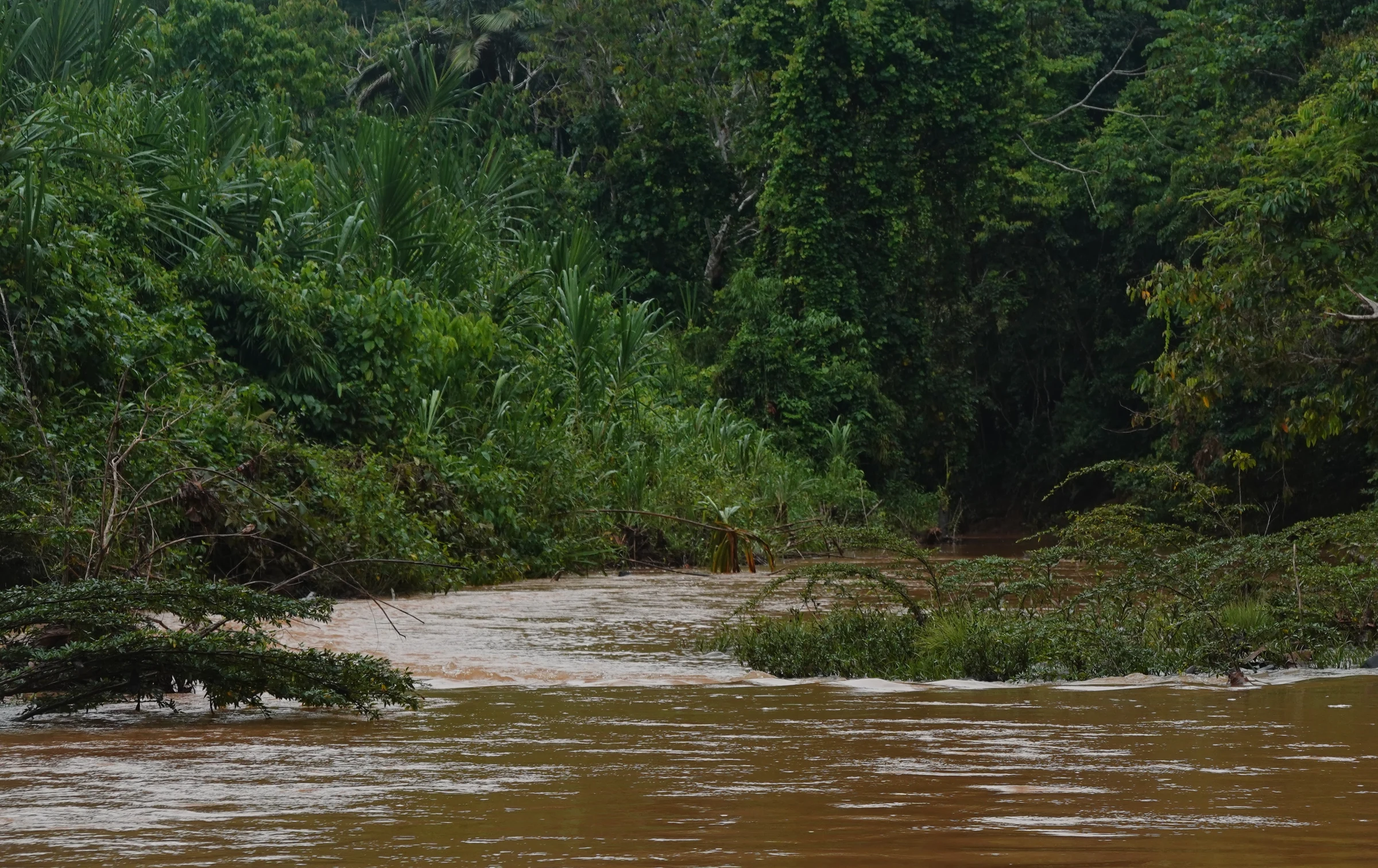
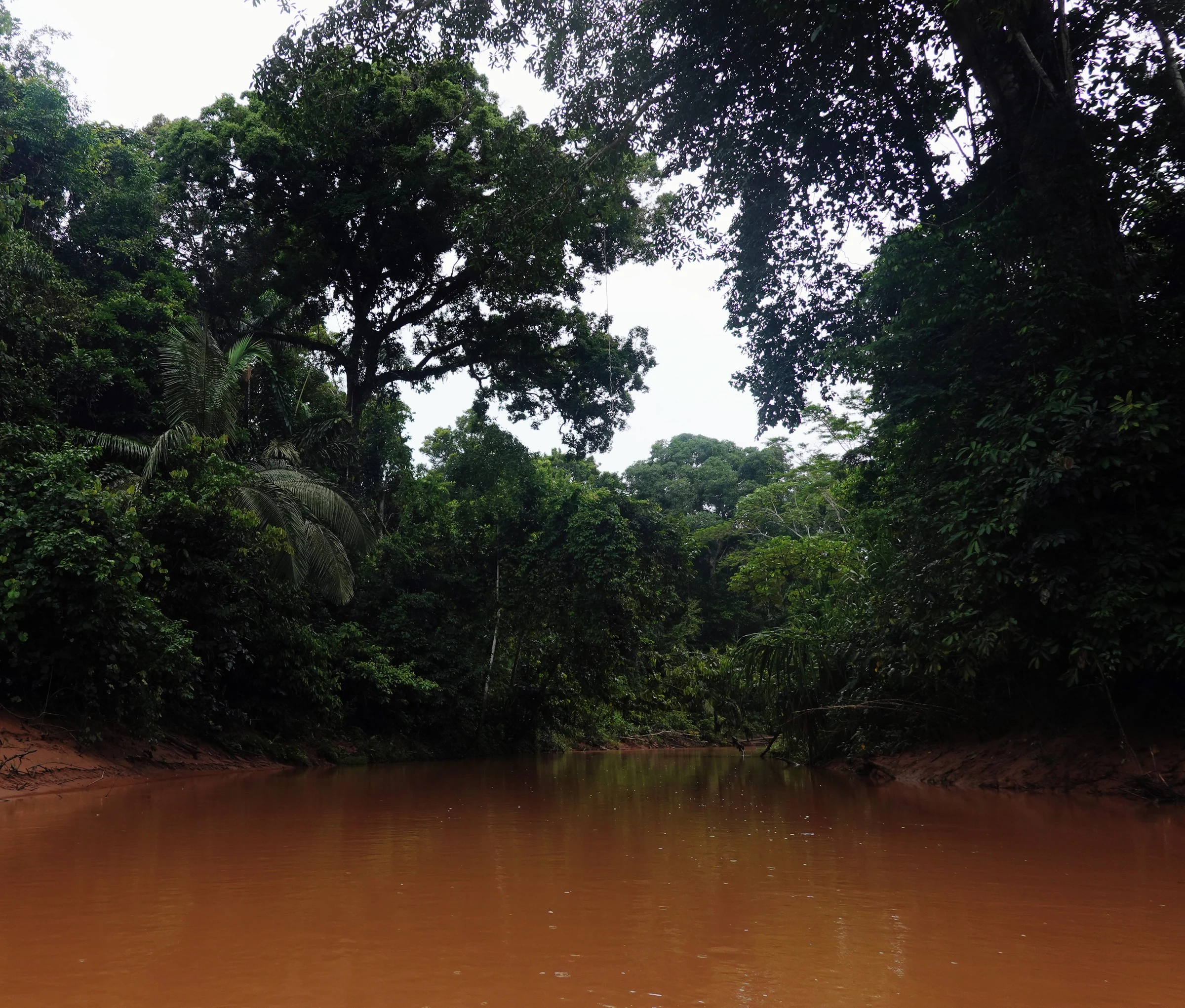
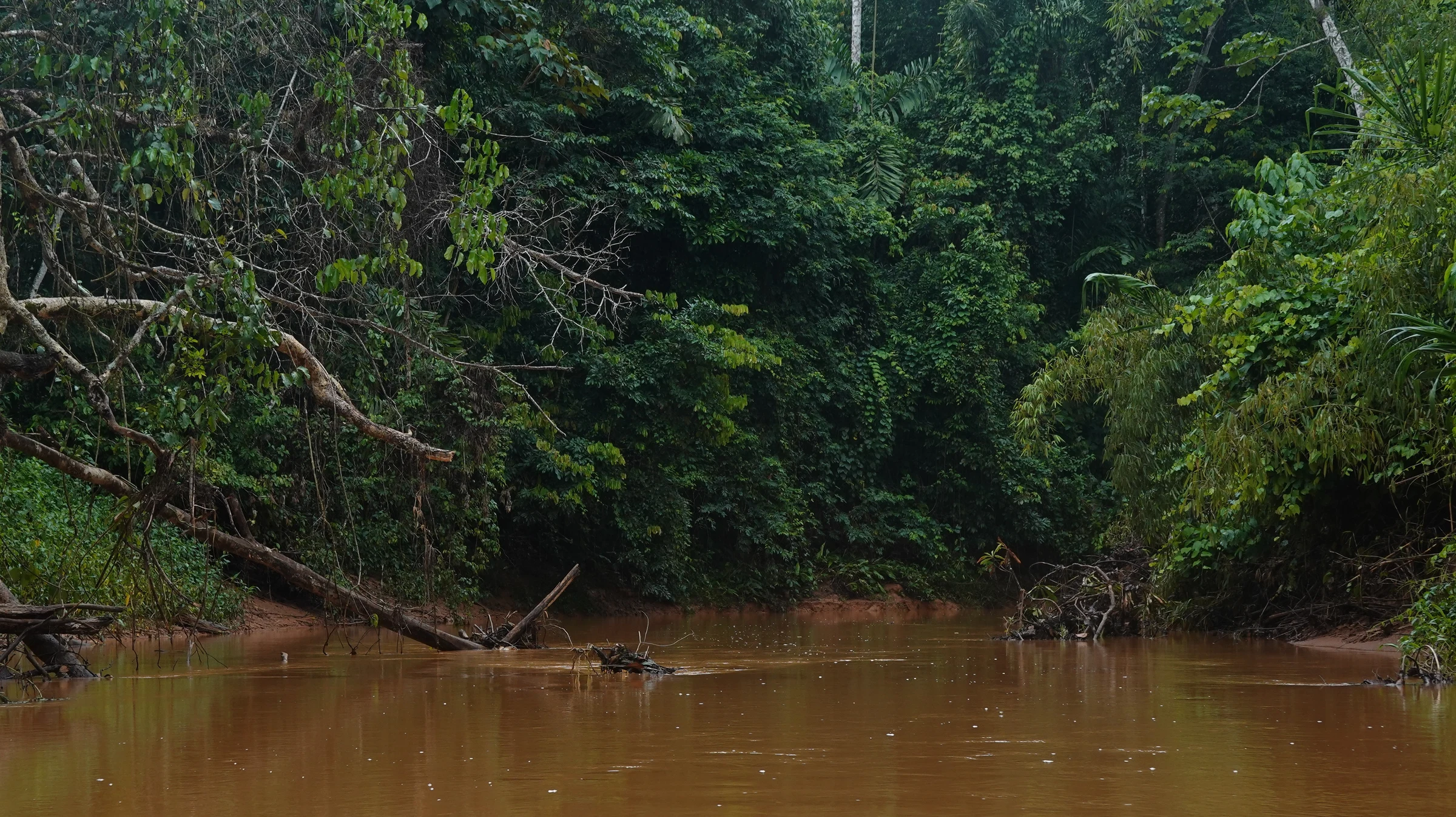
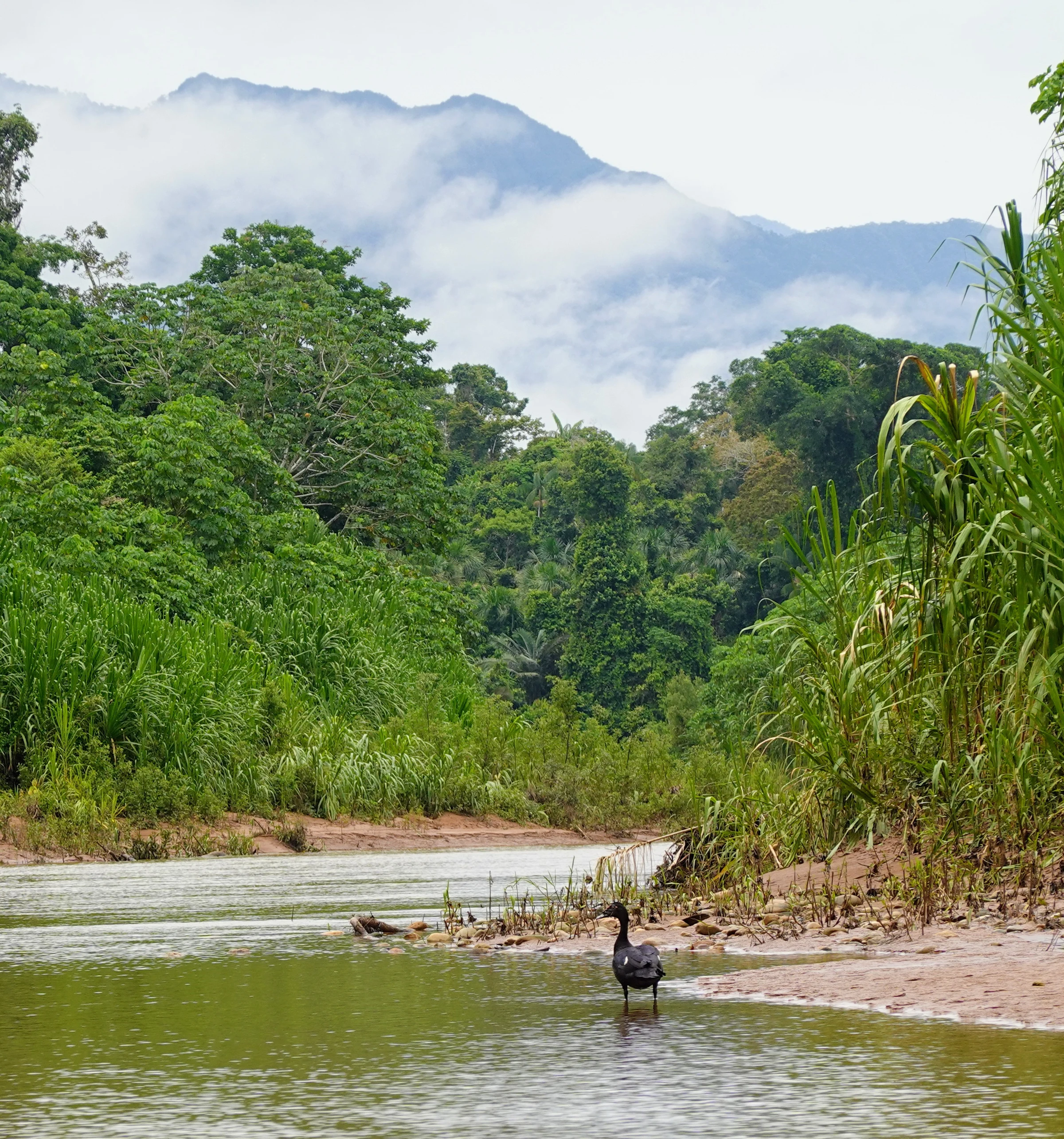
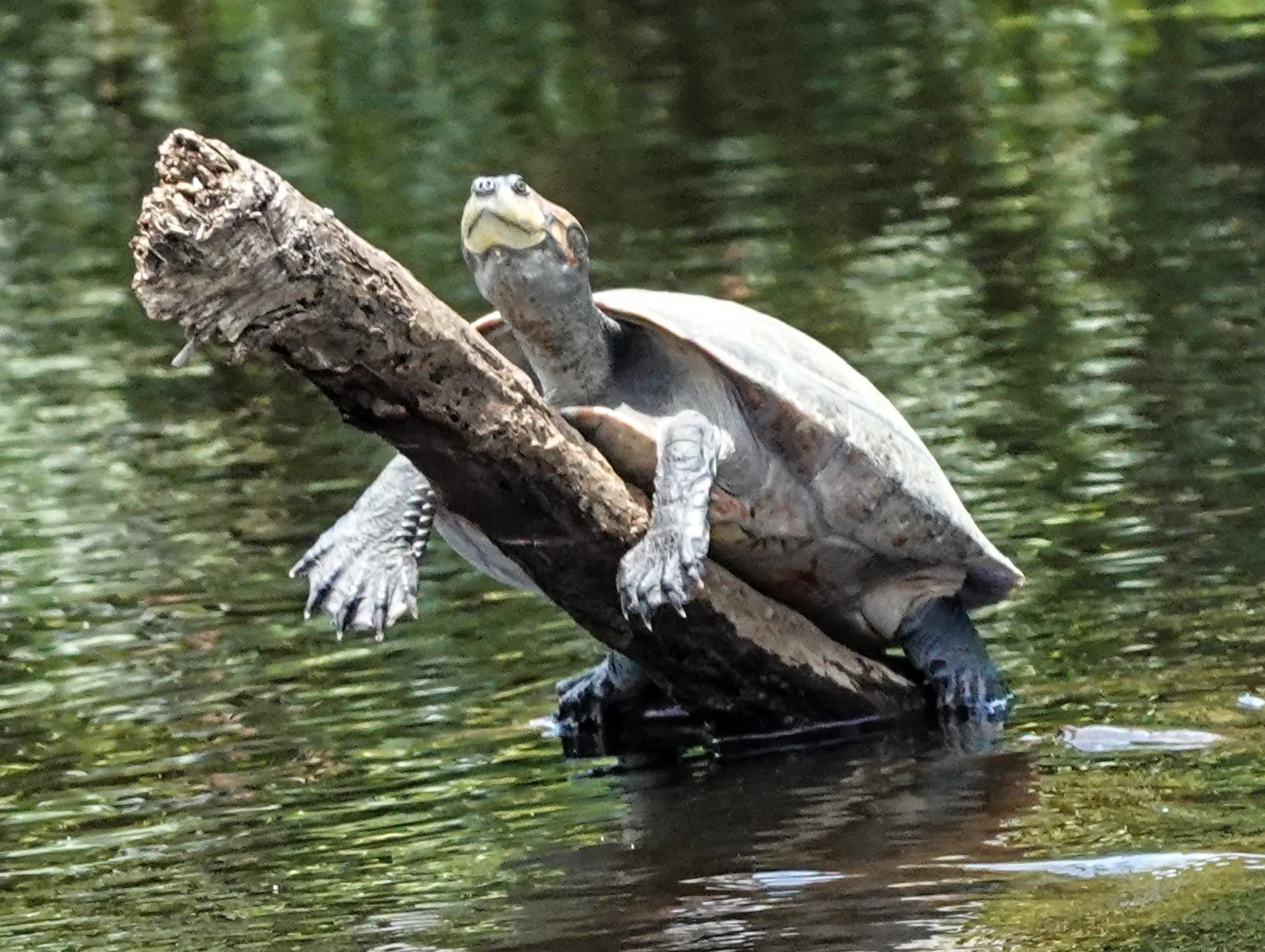
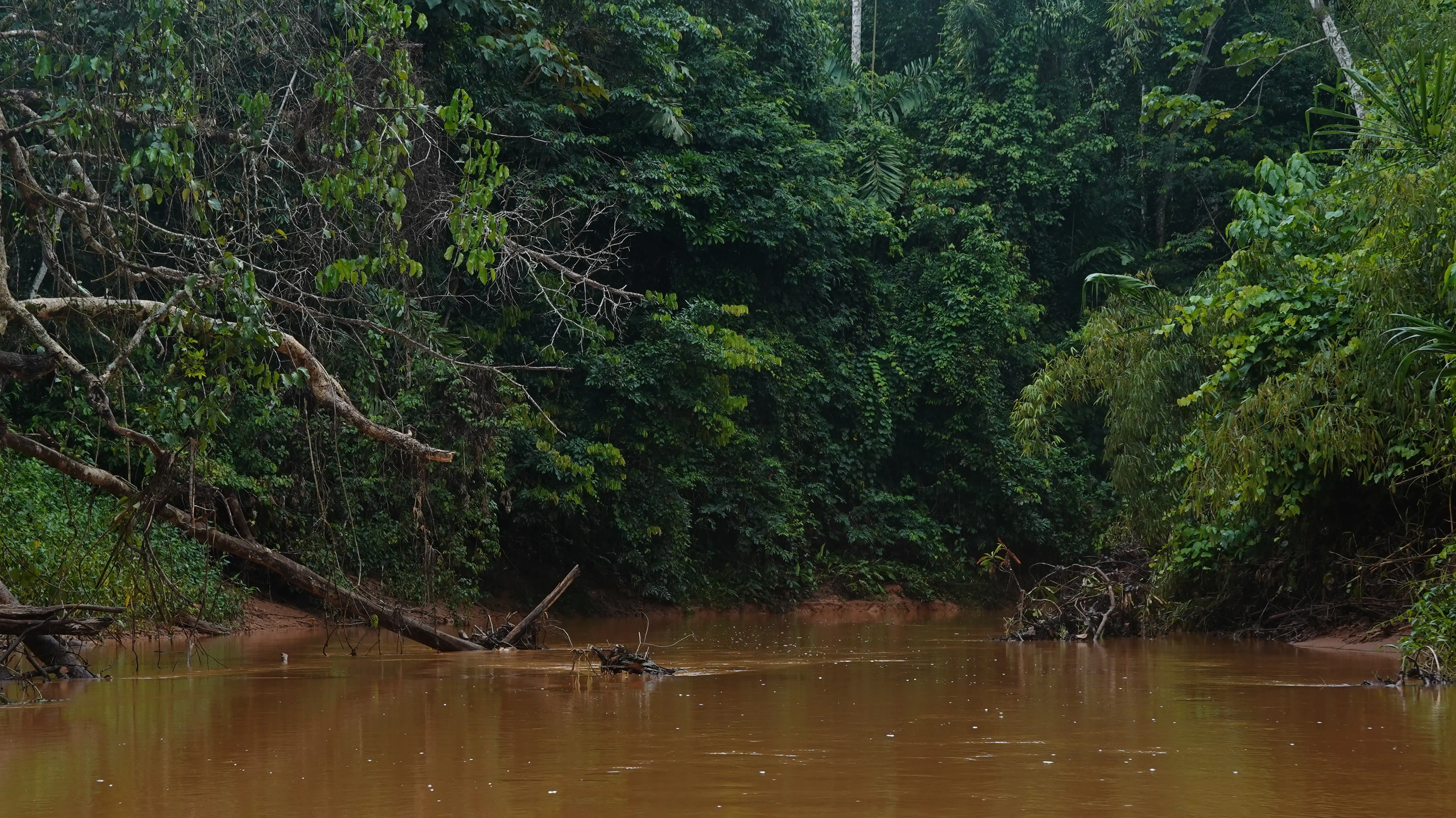
The first few kilometres were on a tiny, narrow tributary of the Eslabon, often only a couple of meters across. This felt like trespassing through the heart of the forest. On several river bends, large birds launched themselves from the branches overhead. The water was completely opaque, and every splash from the shallows set the imagination going: caiman, snake, fish. Probably turtles.
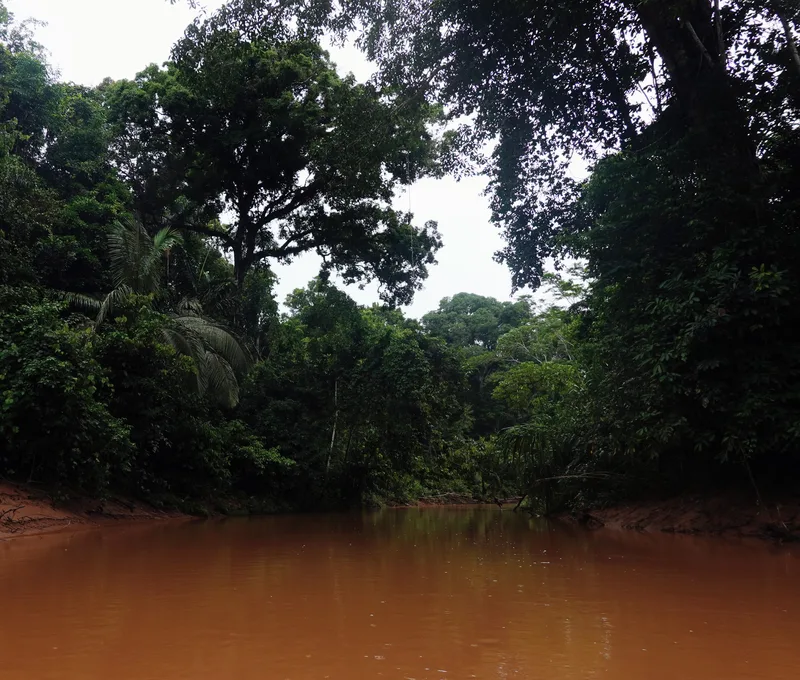
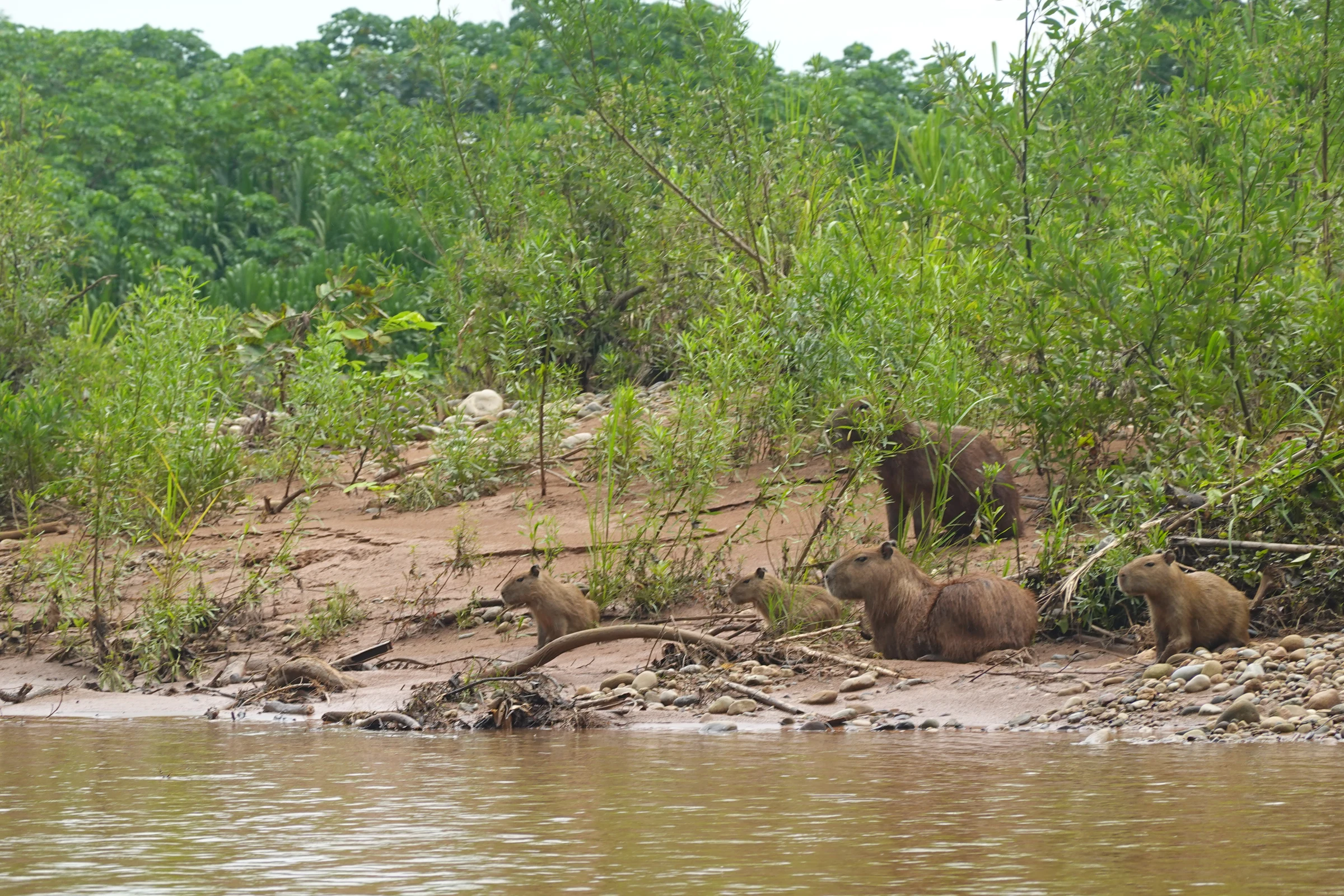
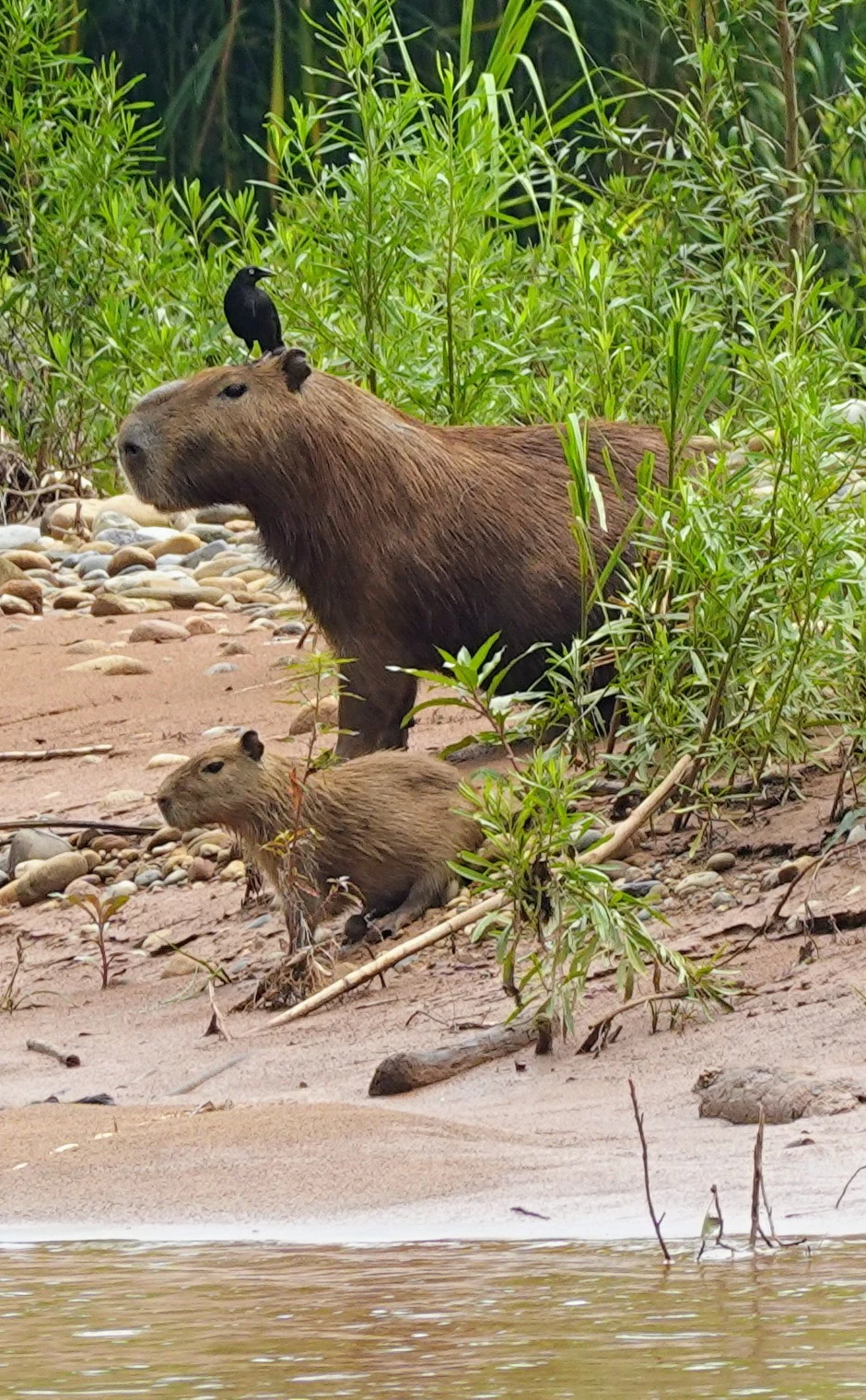
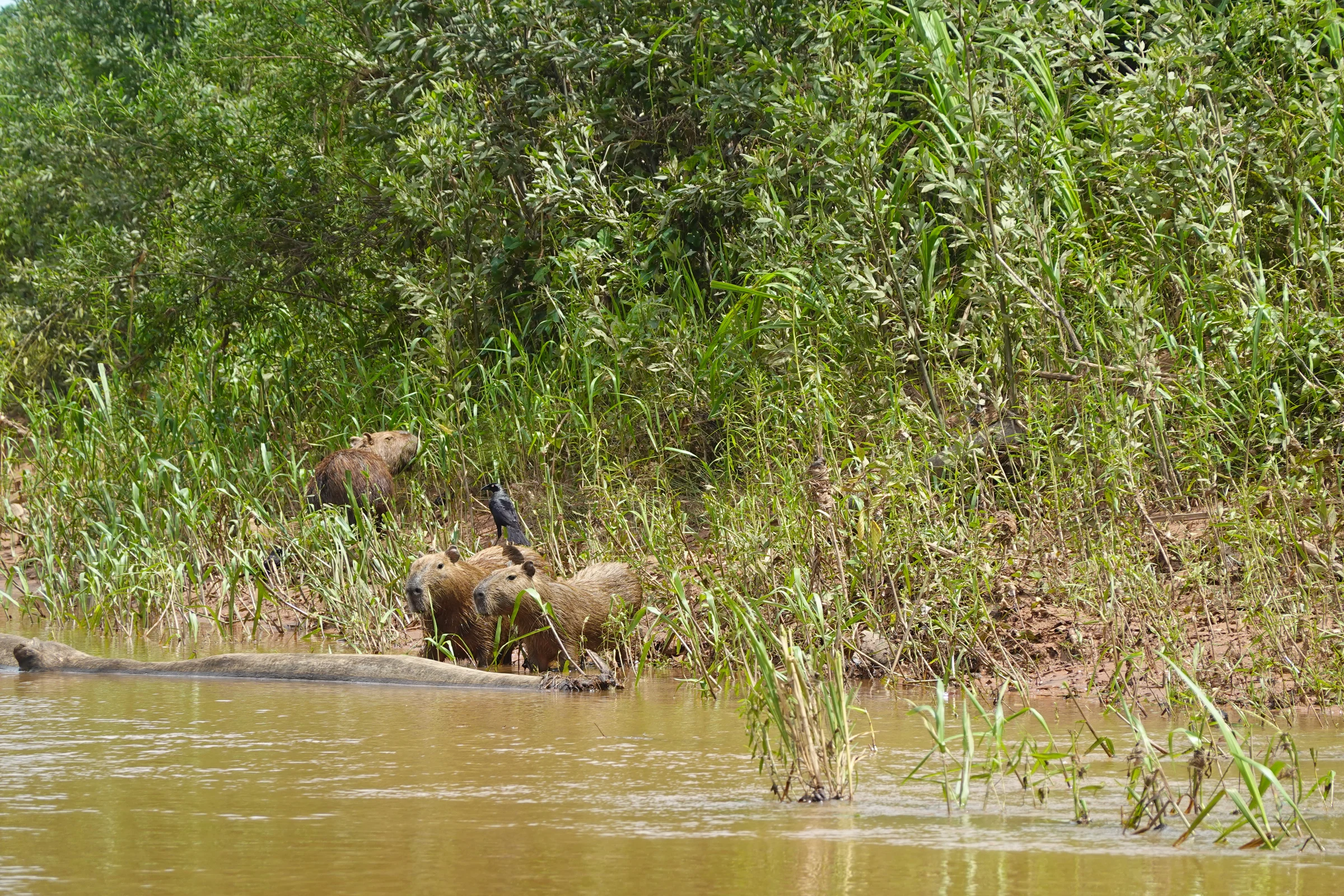
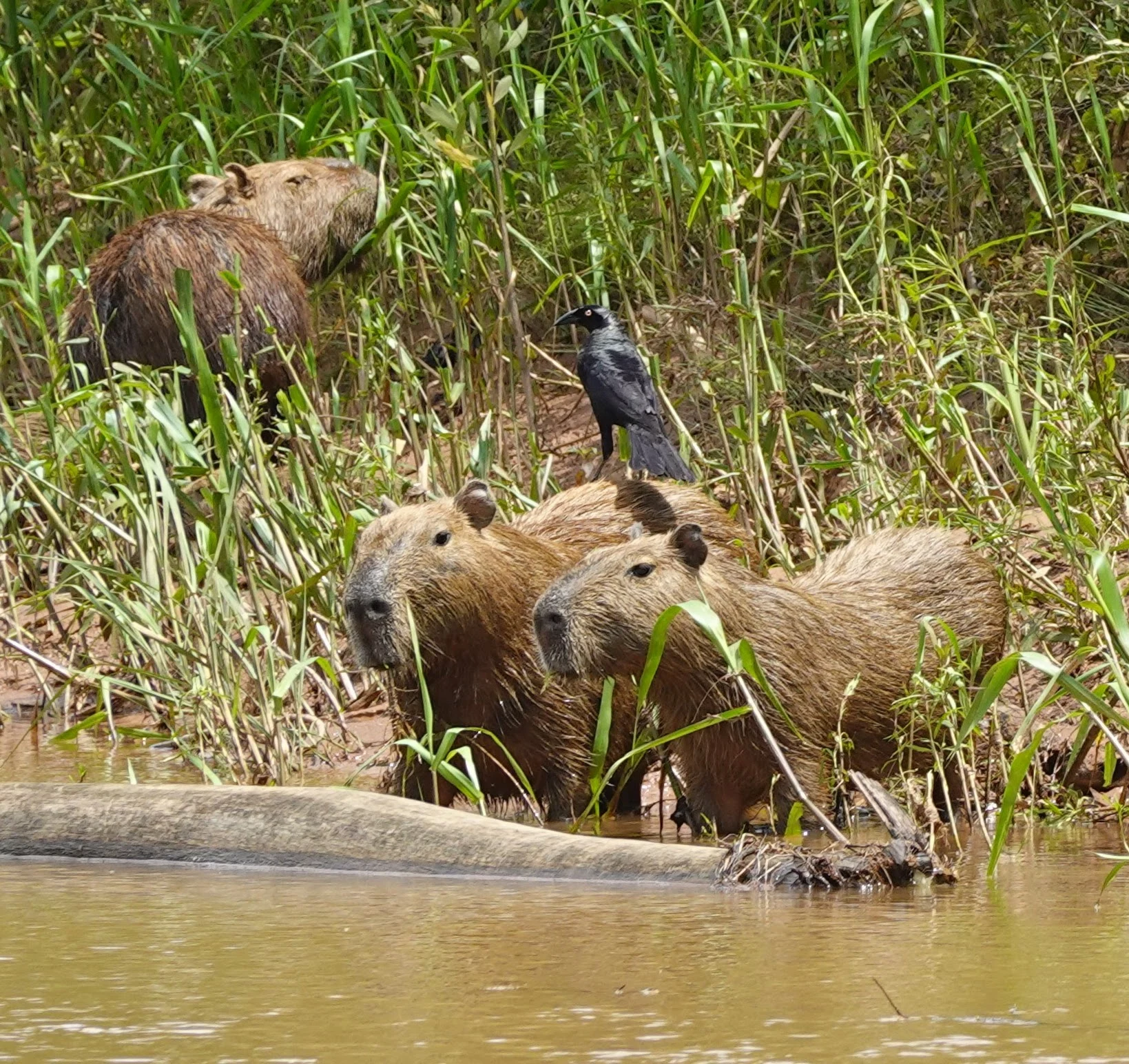
Over the course of the day the river widened, the forest opened slightly, and navigation became easier. At two points I rounded a corner to find capybara herds on the bank. Both times they watched warily from the water’s edge, and held their ground. They’re a lot bigger than I expected.
I disembarked that evening on a stony bank and made camp a little way inside the forest, set up the hammock correctly this time, and ate a reasonable meal despite the insects swarming me: mosquitoes, sandflies, bees (drawn to sweat and prone to getting trapped in clothing), wasps, ants, termites, spiders, cockroaches, grasshoppers, flies. I fell asleep in the hammock, shielded from the bugs, comfortable and confident.
Paddling the Eslabon.
The leafcutter problem
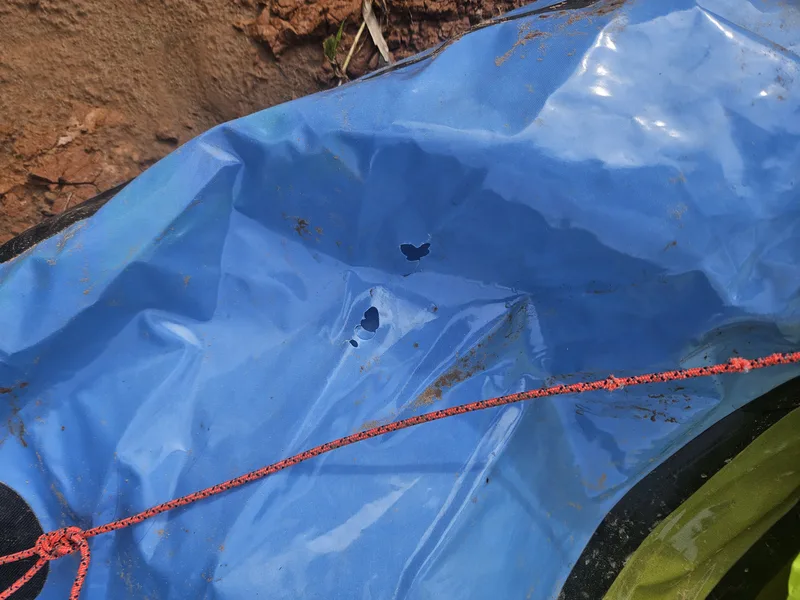
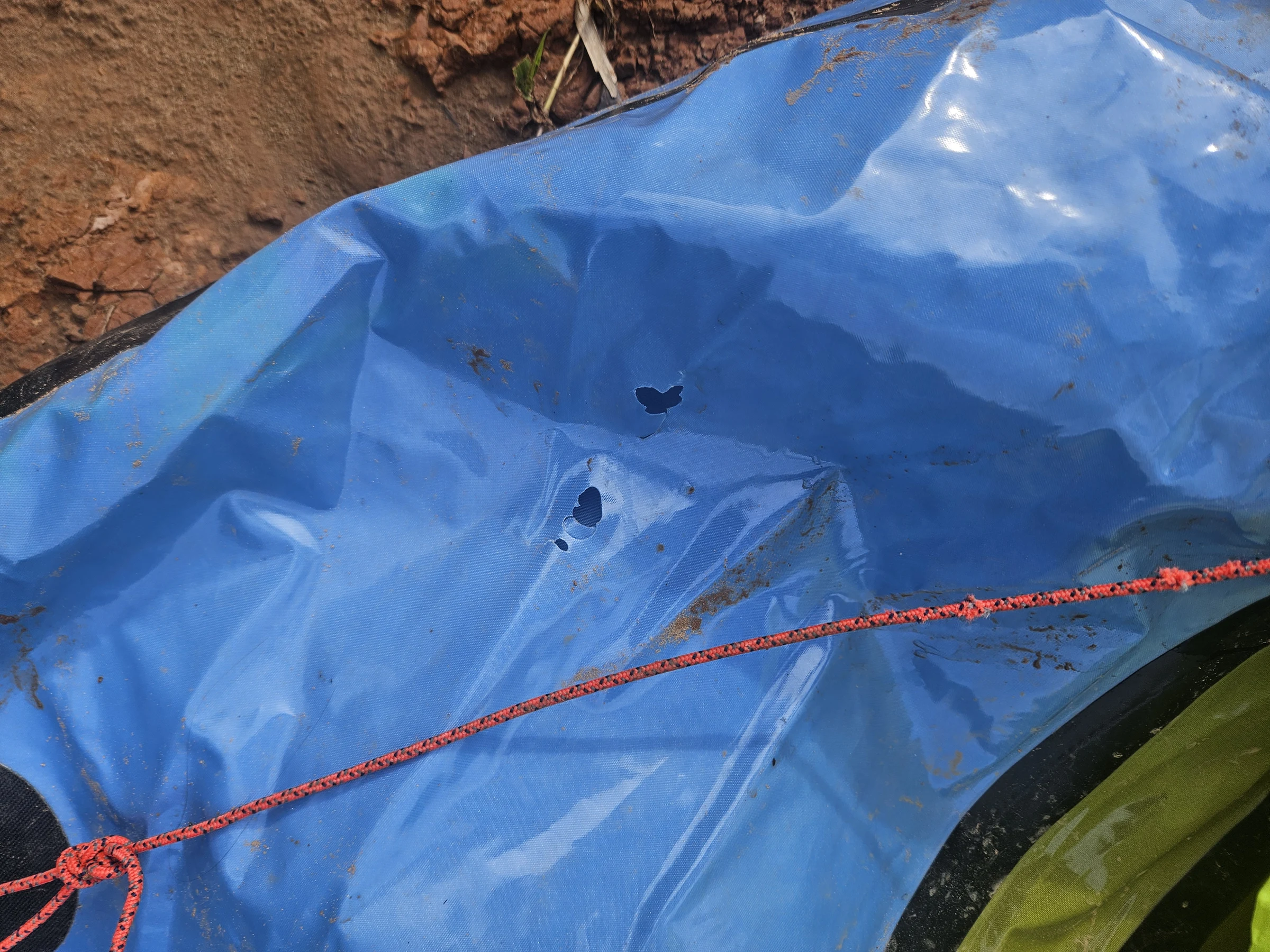
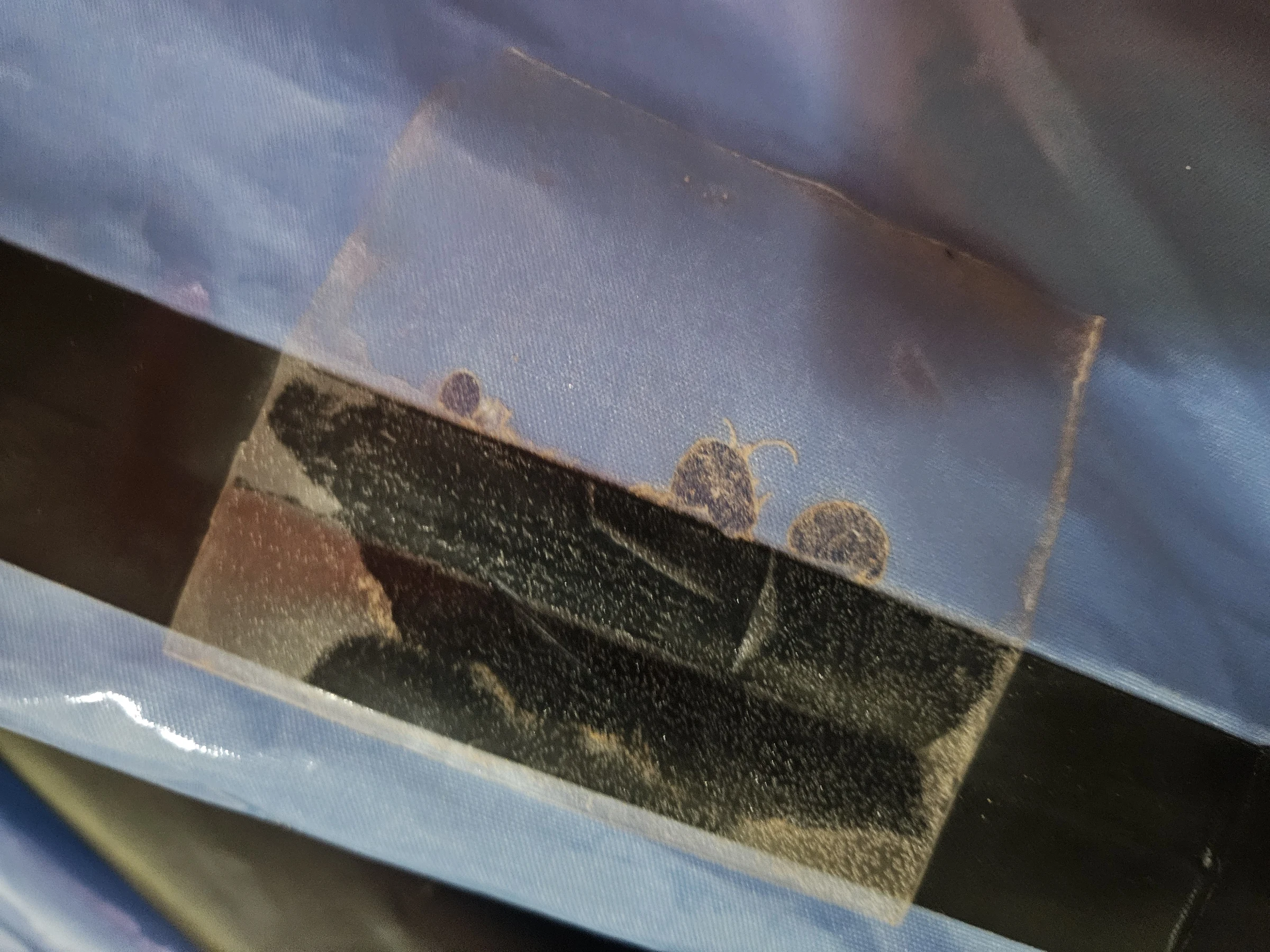
The following morning I found forty holes in my packraft. Leafcutter ants had worked through the night. I knew they were a danger to tent fabric, but a packraft is roughly a hundred times more robust. I hadn’t considered them a threat. I was still fifteen kilometers from the Tuichi, the larger river where a motorboat could reach me; hiking out through the jungle was possible but much harder and slower than floating.
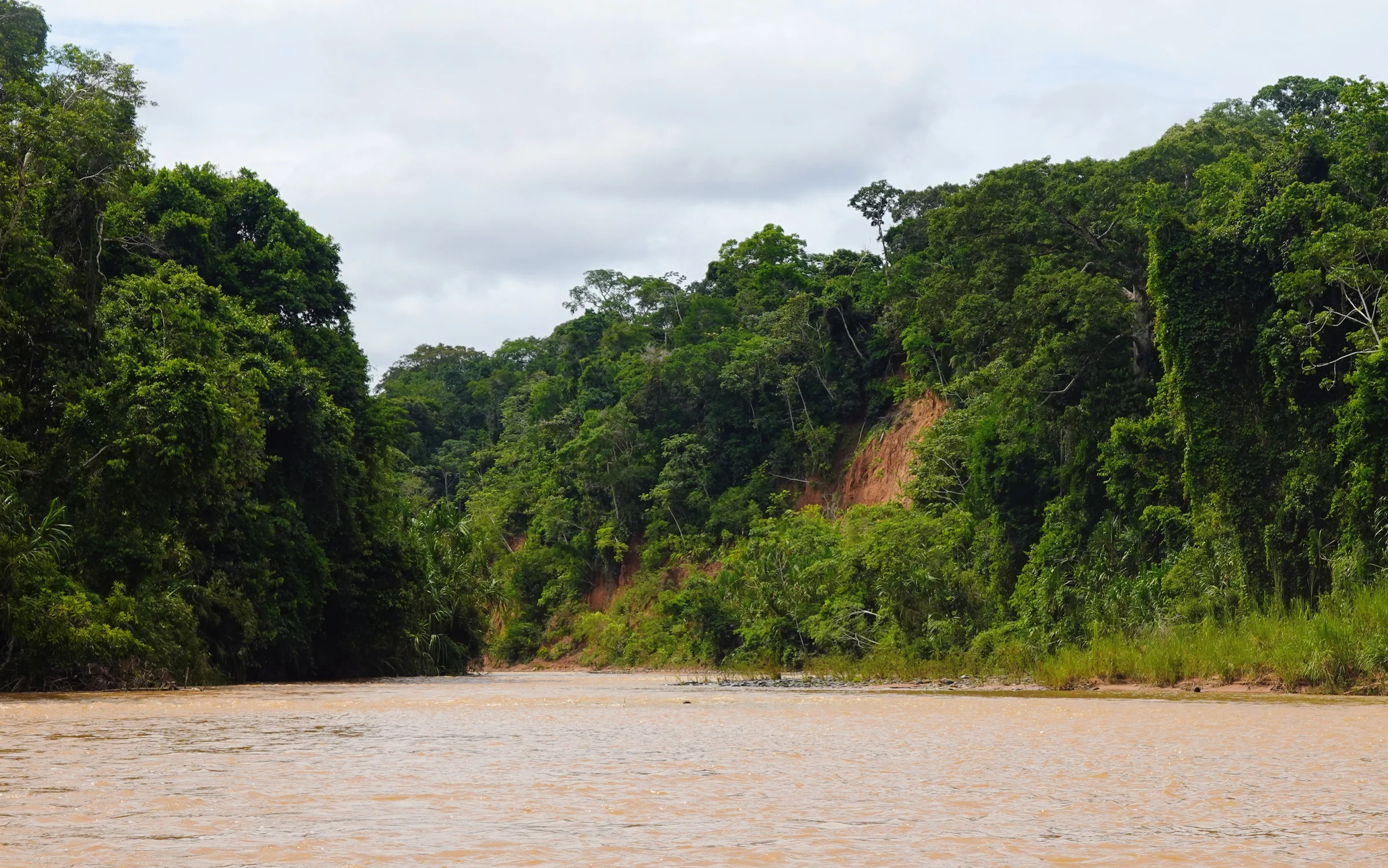
I spent two hours patching. The boat was still losing air. I got in anyway, immediately capsized, climbed back in, and adopted a strategy: paddle for a minute or two as the boat slowly deflated, then pump it back up from the inside with an extension tube, repeat. Over twenty-five kilometers. It was exhausting, and I knew the strategy had a hard limit: capsizing on the lower parts of the Tuichi, or the Beni beyond it was a genuine safety risk. Those rivers get to about 500 meters wide and their currents are powerful. I was hoping to intercept a motorized pirogue before that.
Out
About ten kilometers into the Tuichi, a boat appeared. I waved. I explained, in broken Spanish, that ants had eaten my raft. They laughed, pulled me aboard, and a few hours later I was back in Rurrenabaque.
I’ll go back, eventually, and stay longer.
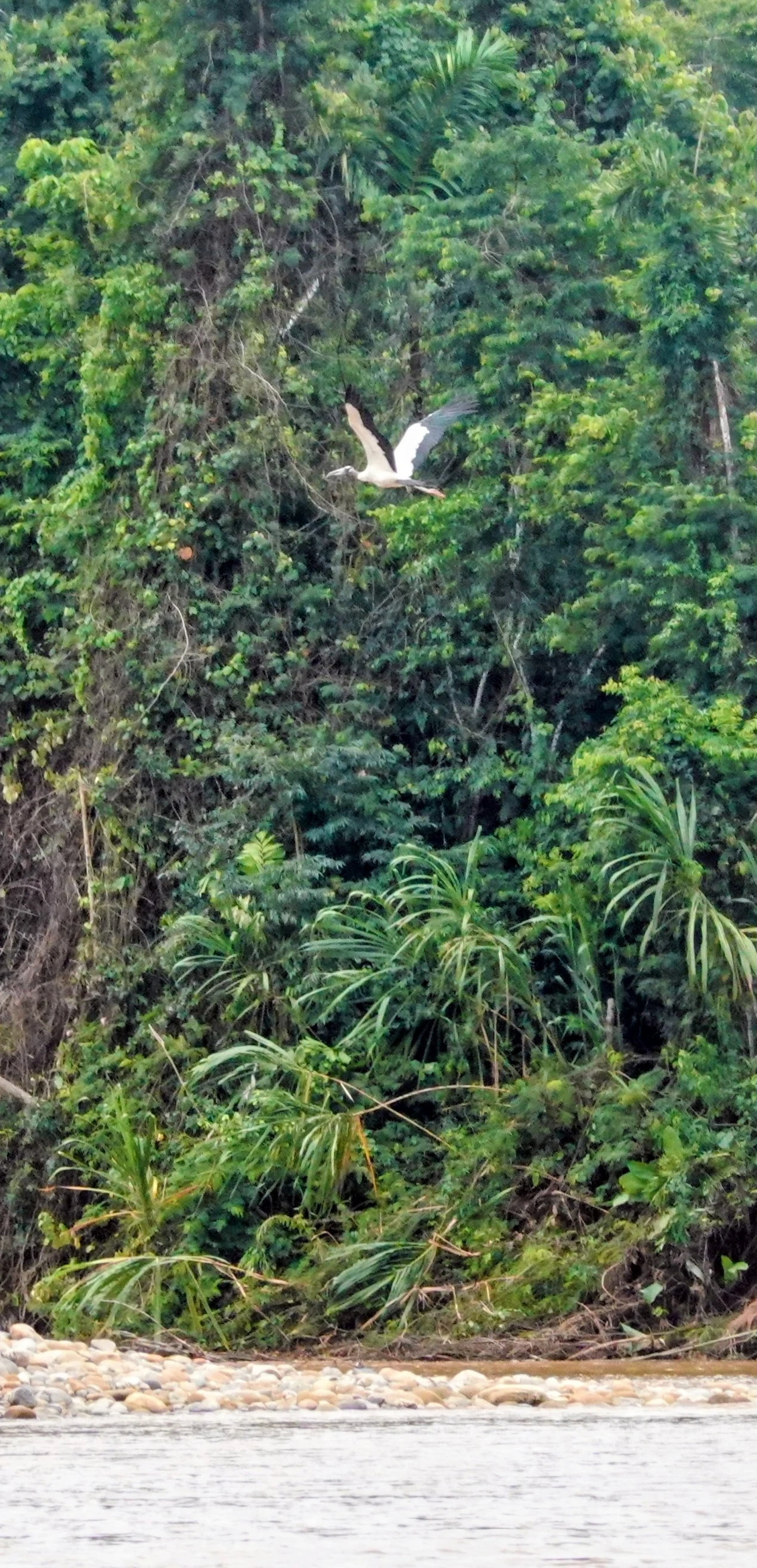
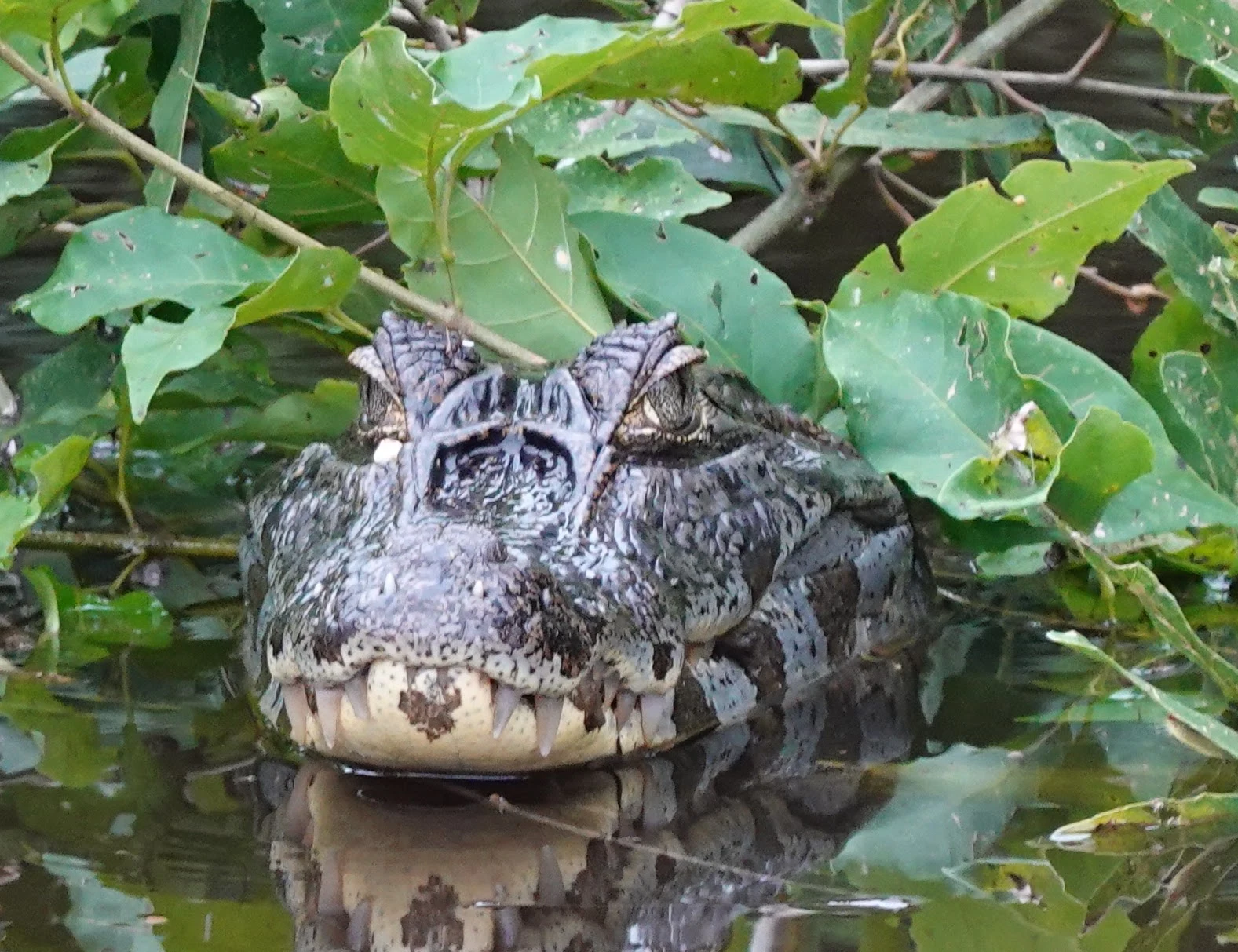
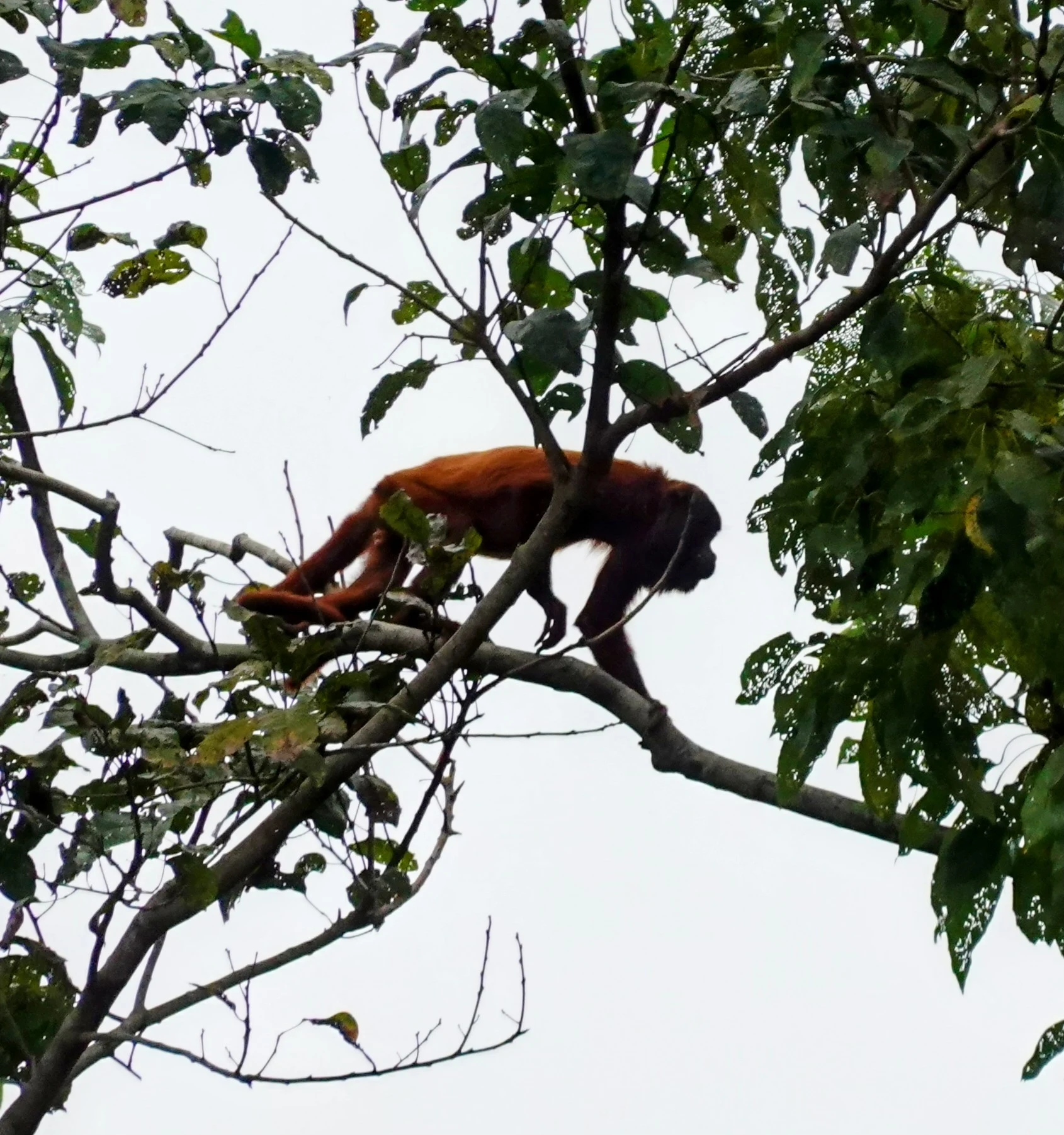
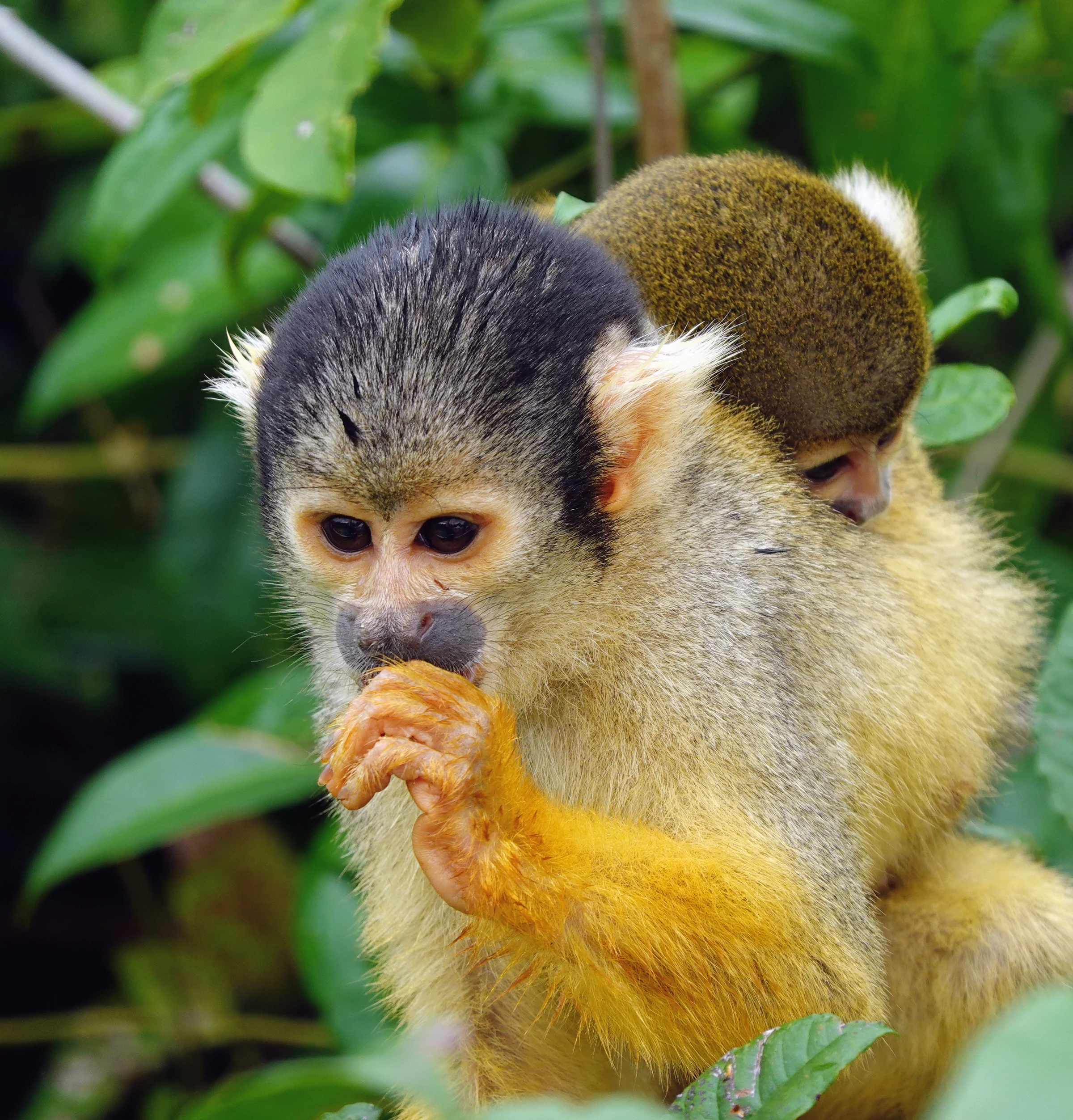
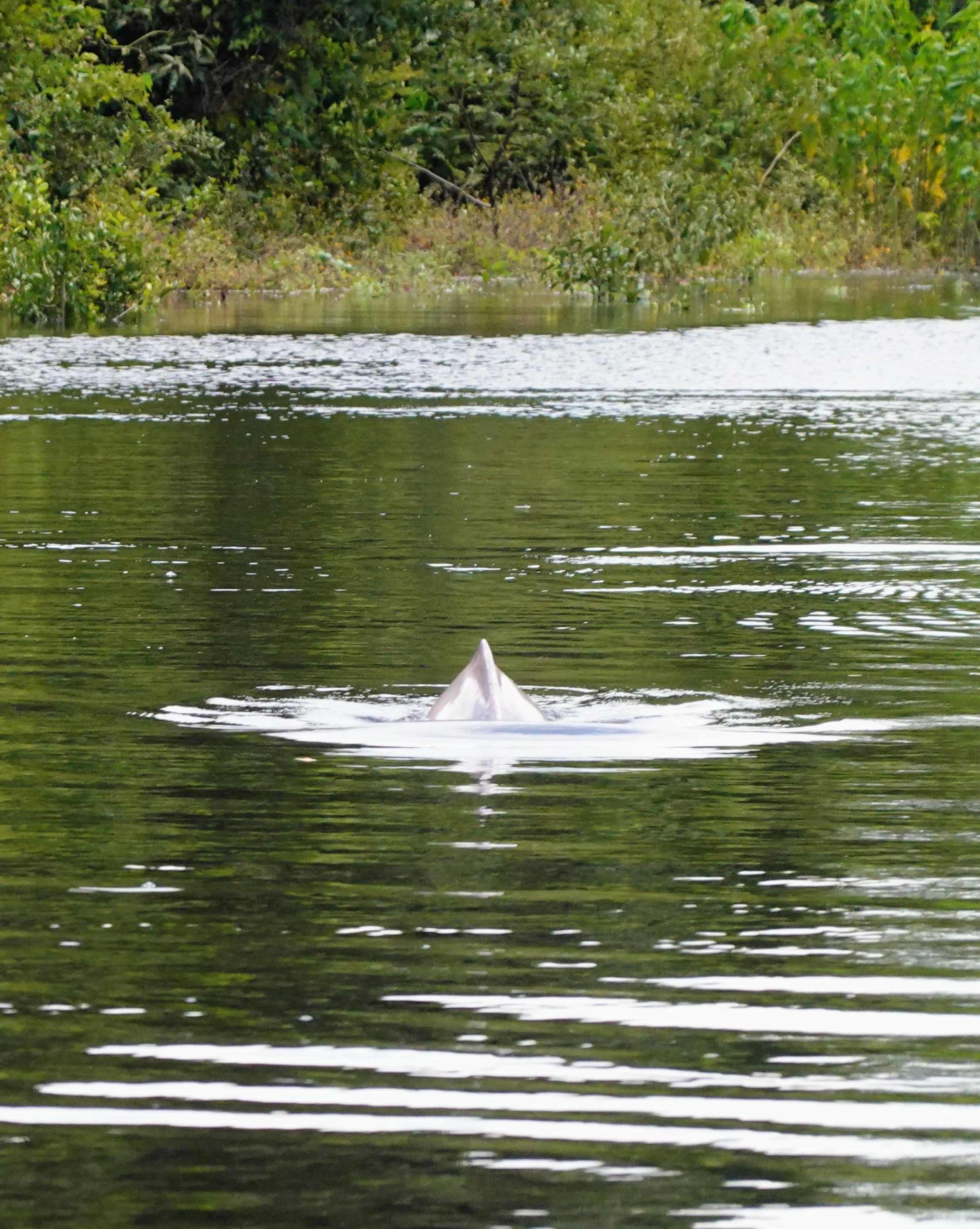
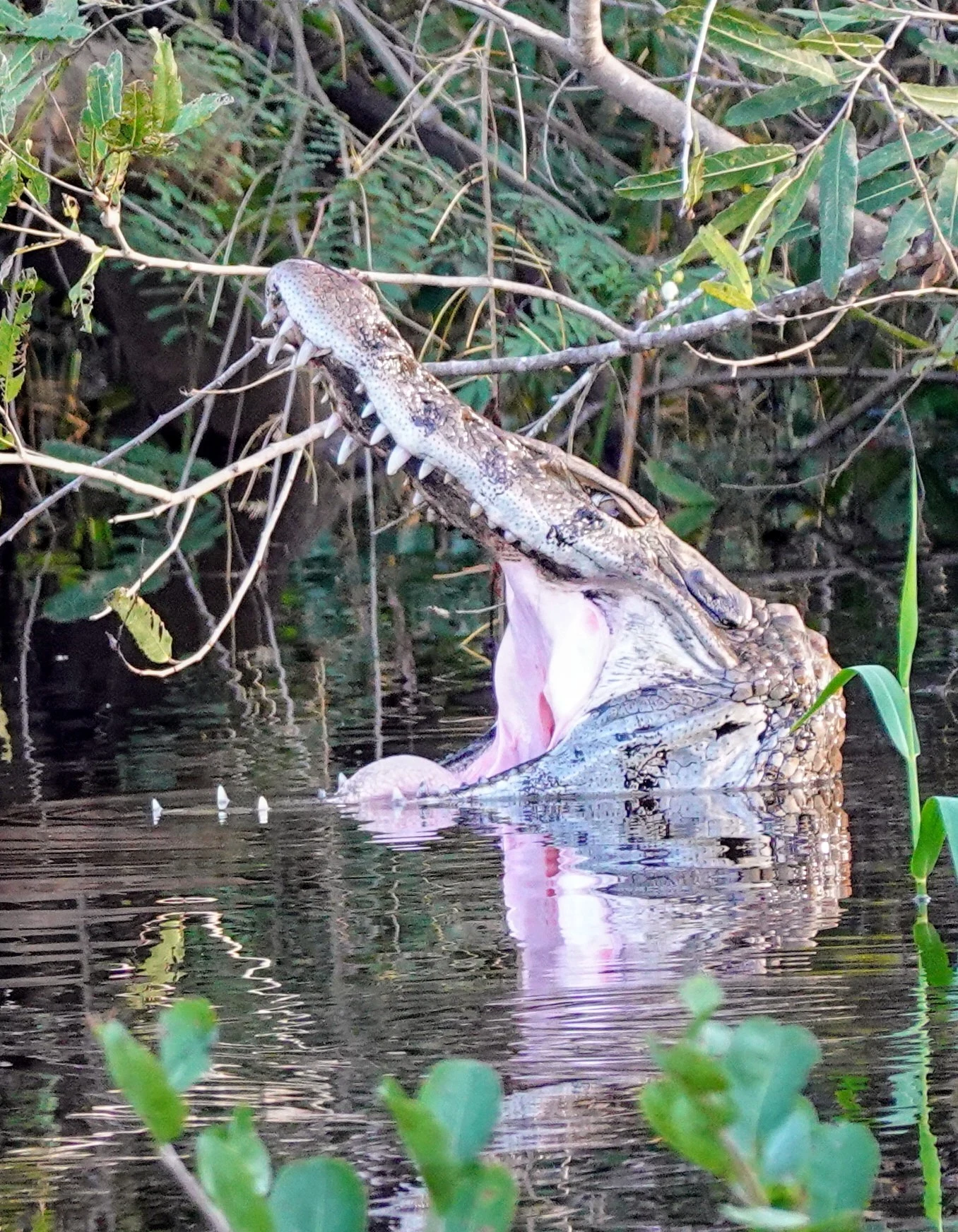
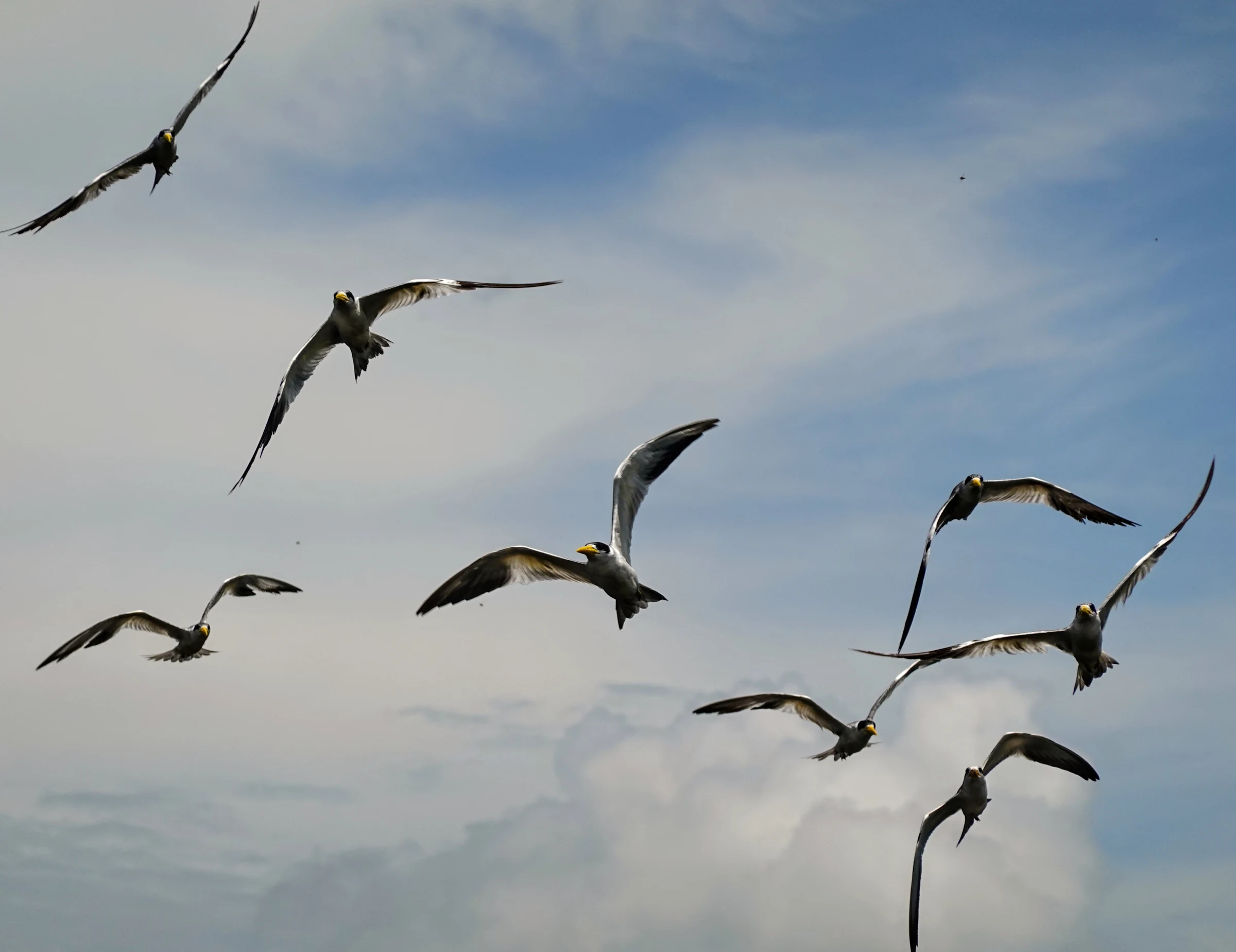
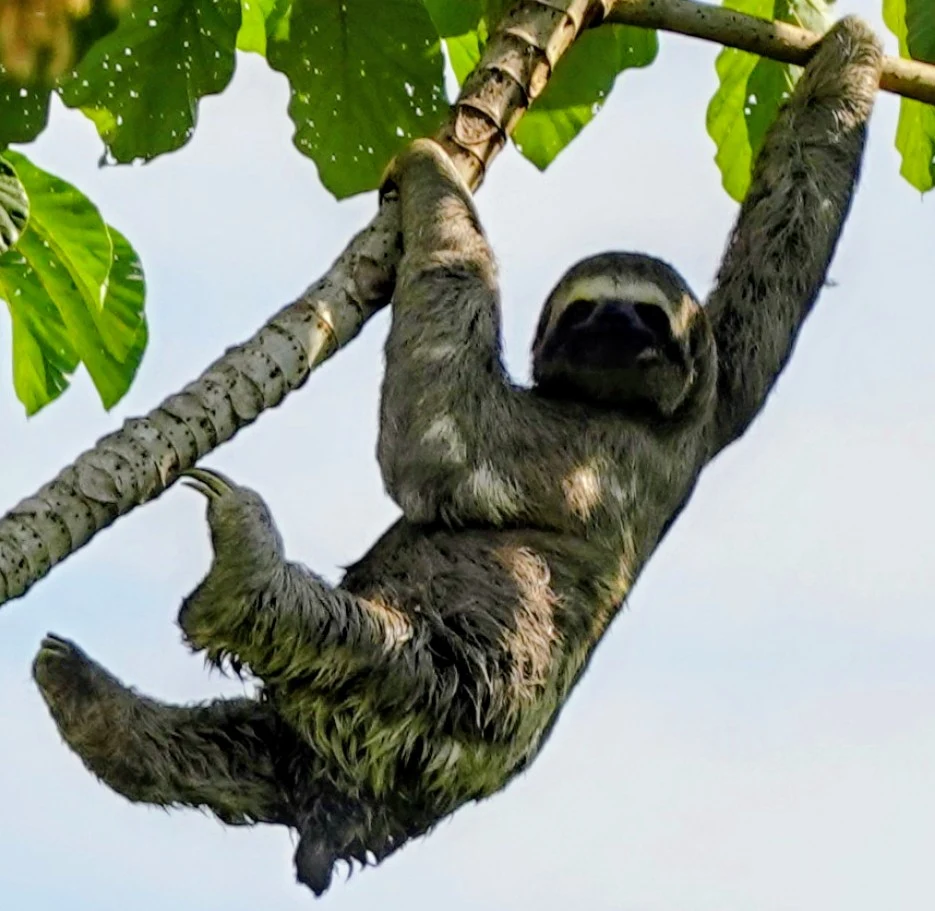
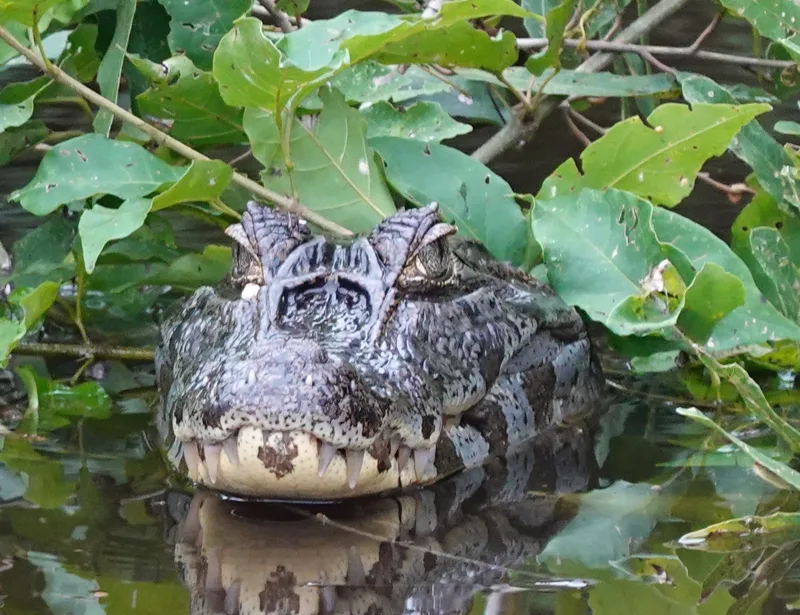
After the trip I spent a couple of days on a short group tour of the rivers downstream: calmer water, a boat, a local guide who knew where to look. All the animal photographs at the end of the gallery (caiman, dolphin, monkey, sloth, birds) are from that stretch.