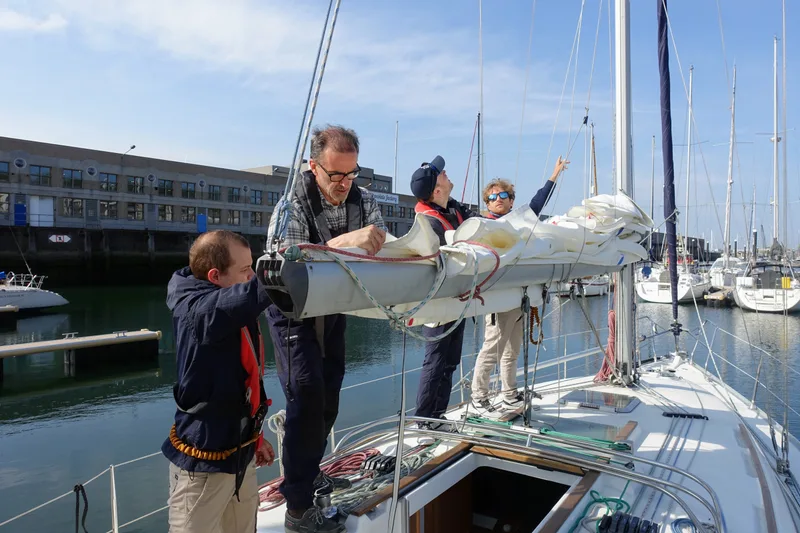
I had almost zero sailing experience when I decided to cross the Atlantic. My reasons for sailing rather than flying were partly about climate, partly because it seemed like the interesting choice. Finding a spot on a small private yacht was the obvious option (way cheaper, more adventurous) but would anyone want me? I’m not a sailor, I’m a mediocre cook, and I wasn’t confident about how I’d handle being stuck in twenty square metres with the same five people for three to four weeks. After an introductory weekend course on the North Sea with the Brussels Royal Yacht Club, during which I was seasick for an entire day, I decided I needed something more manageable. I joined the Morgenster as a “trainee”: their term for a paying passenger who helps a little with sailing manoeuvres.
The Morgenster
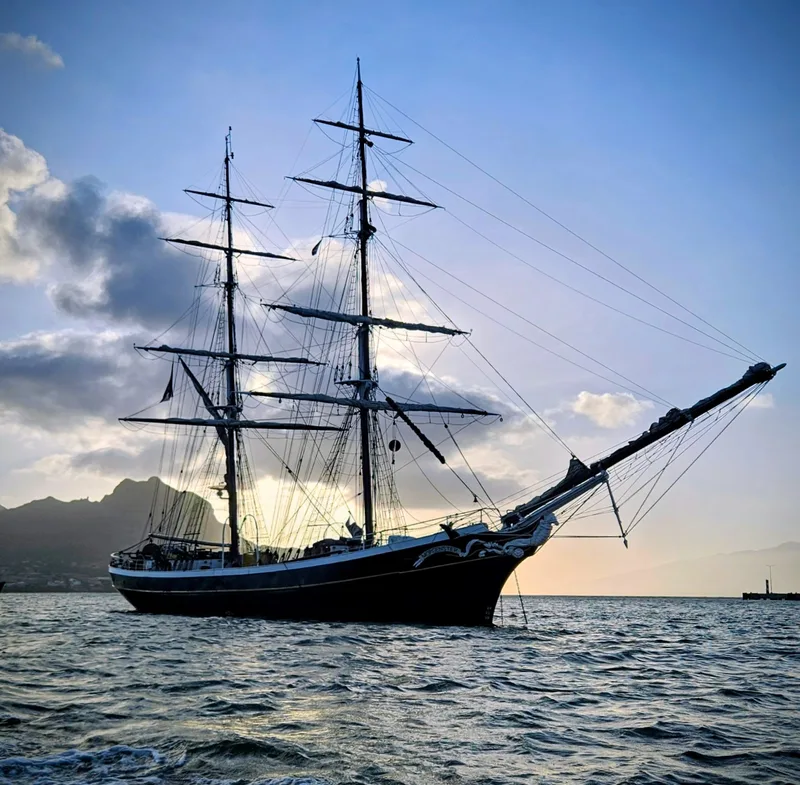
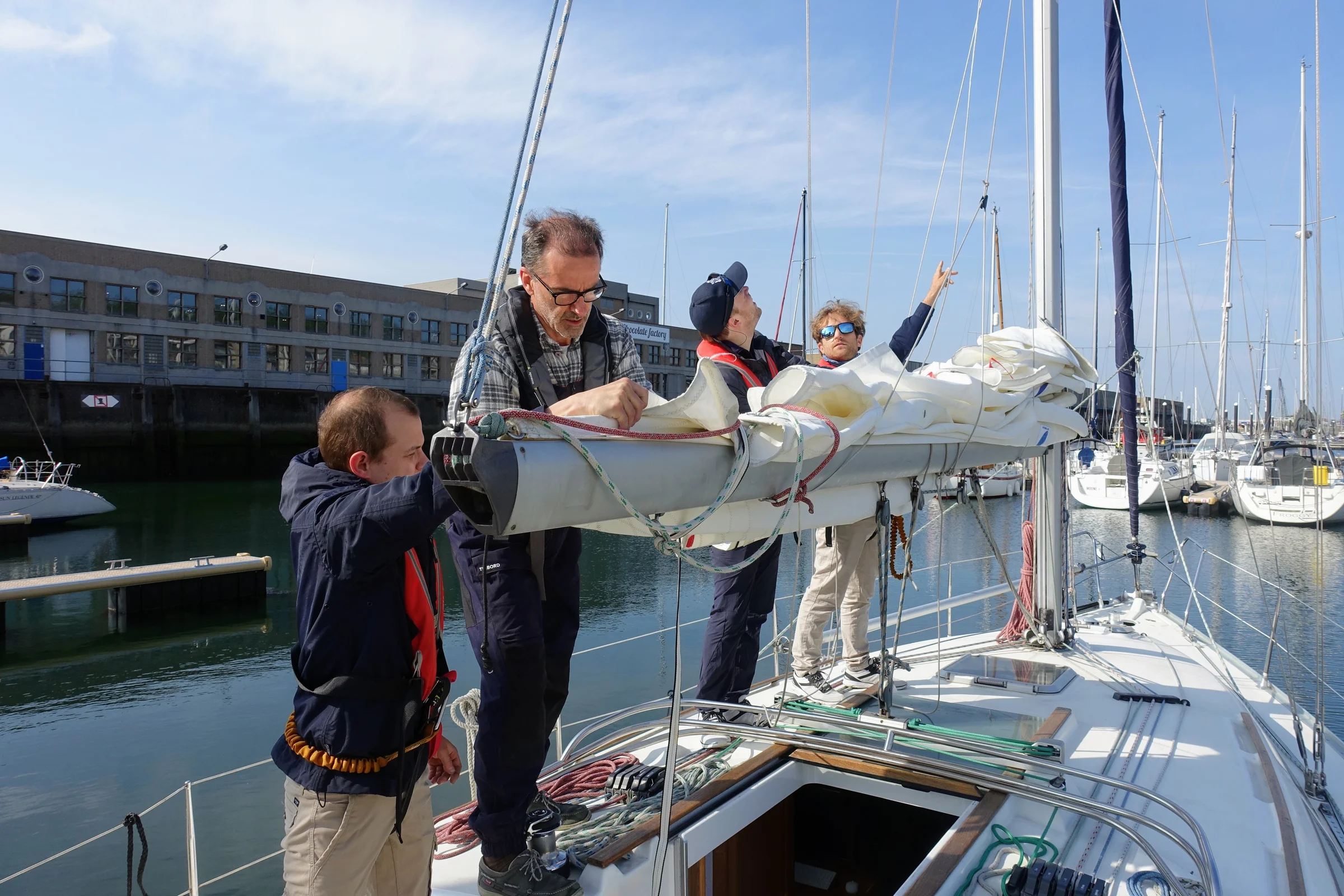
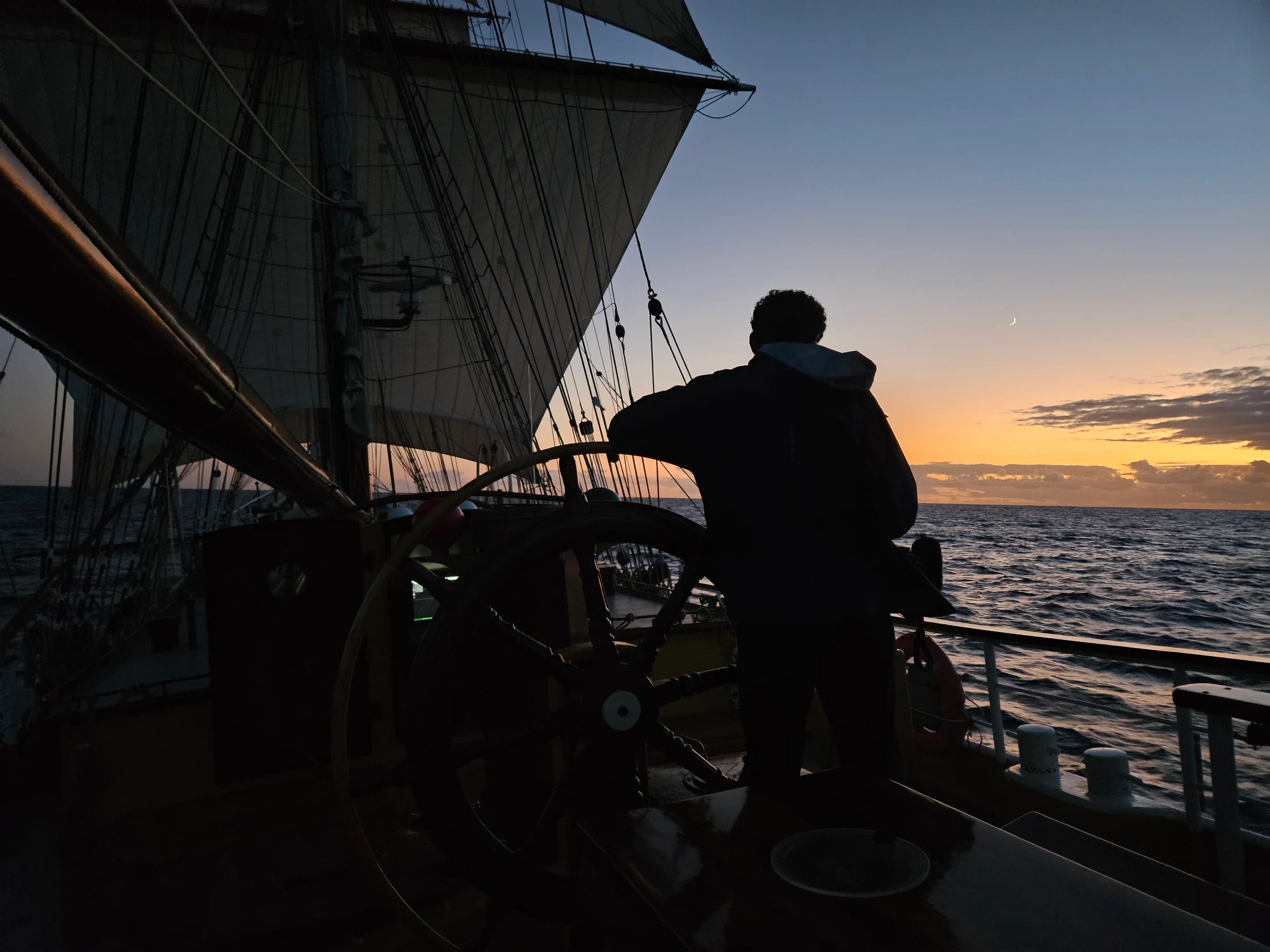
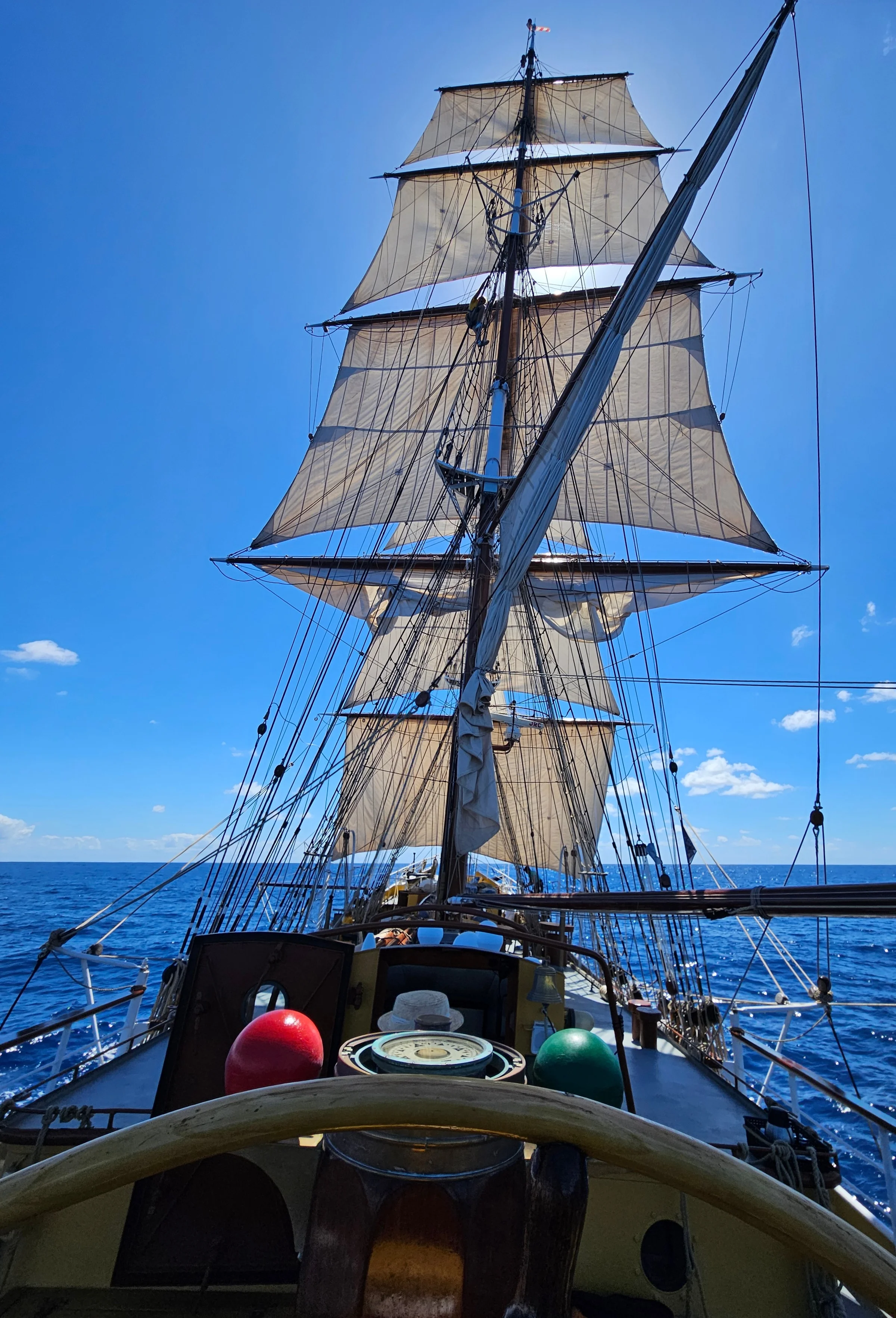
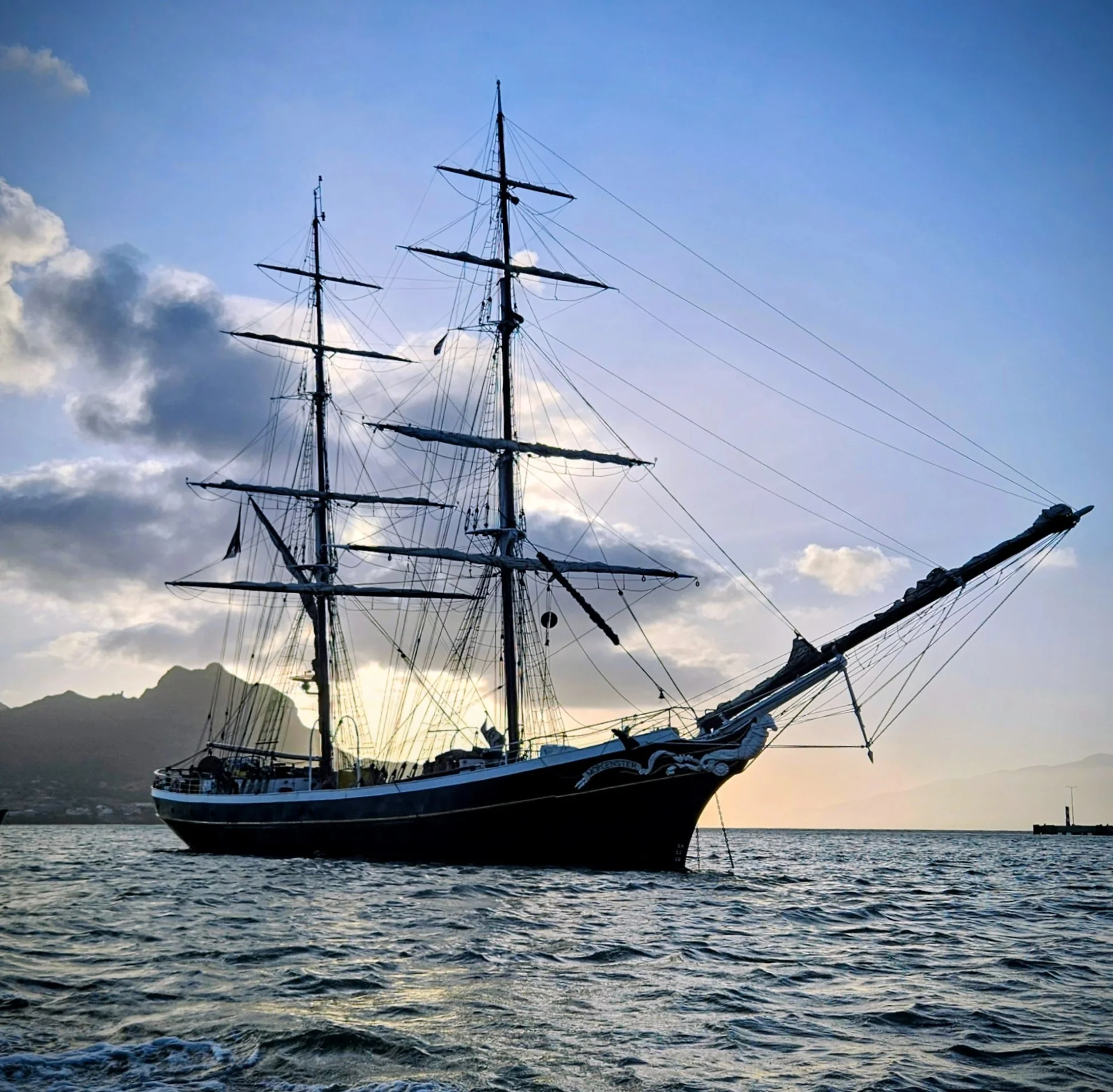
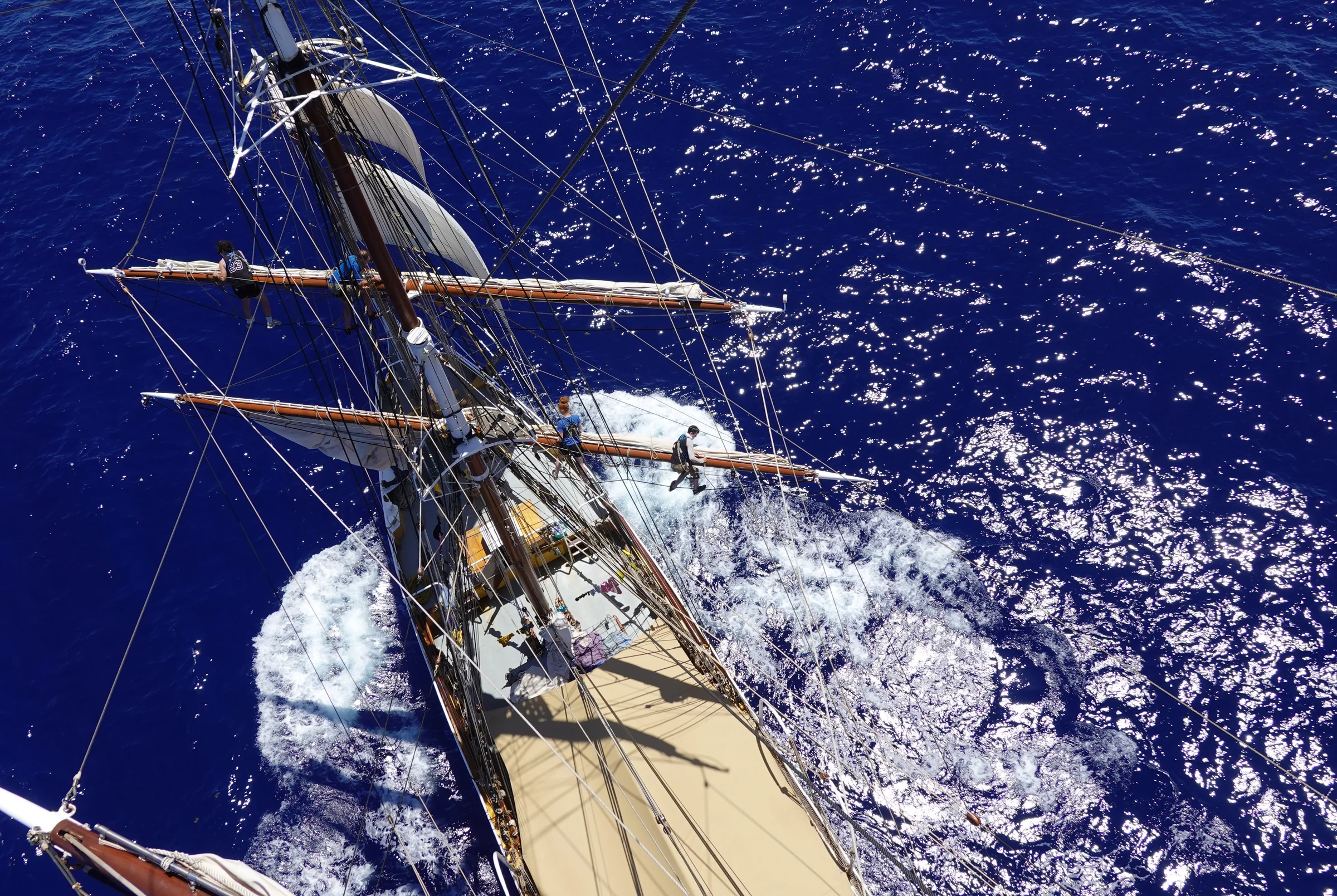
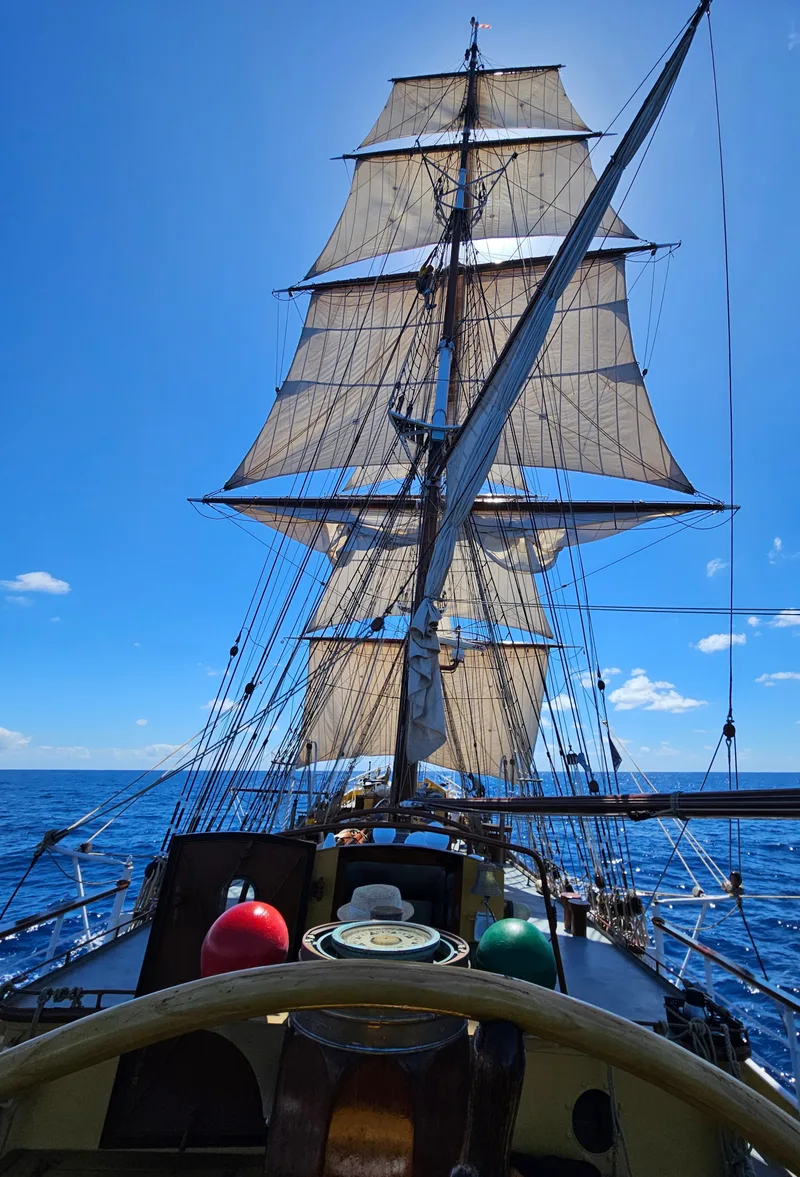
The Morgenster (Dutch for “morning star”) is a tall ship: two masts, 48 metres long, main mast nearly 30 metres above the deck. She carries a crew of six to eight and up to twenty trainees. Life aboard is structured around watches, meals, and sail manoeuvres, with open time in between for whatever you can find to do.
Tenerife
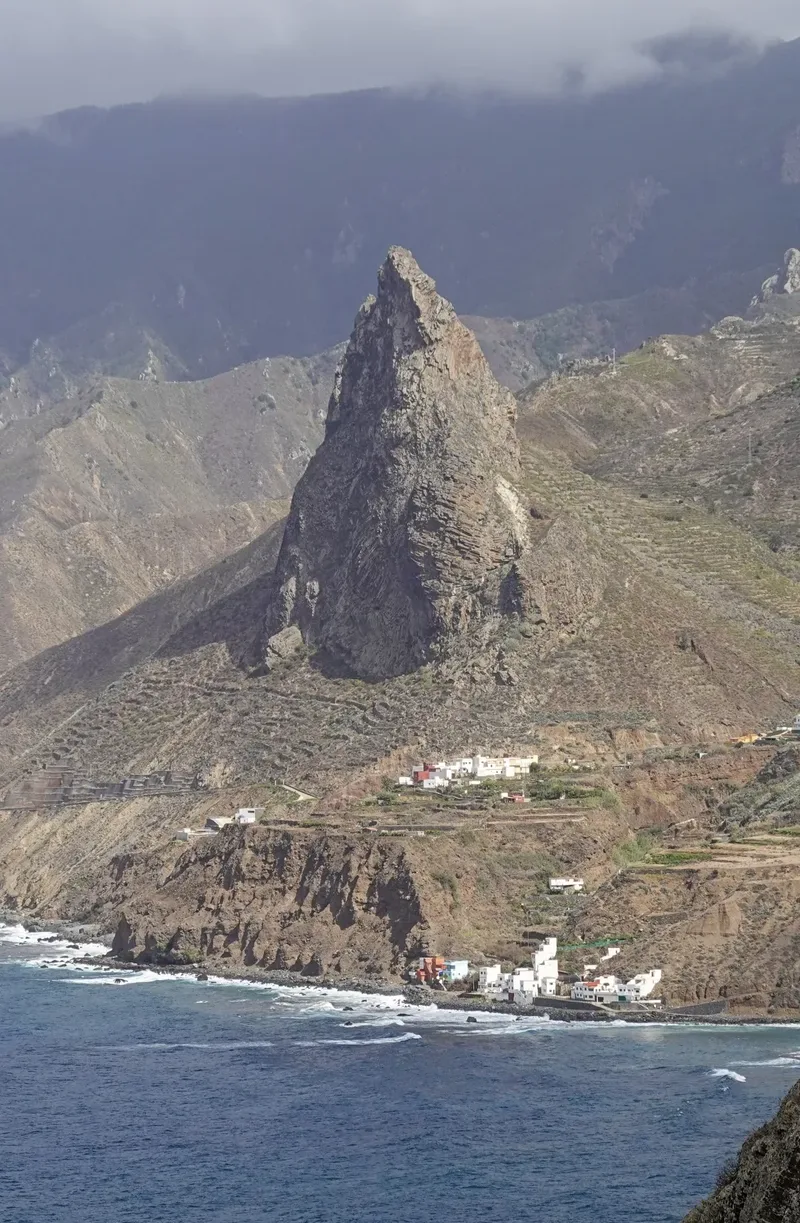
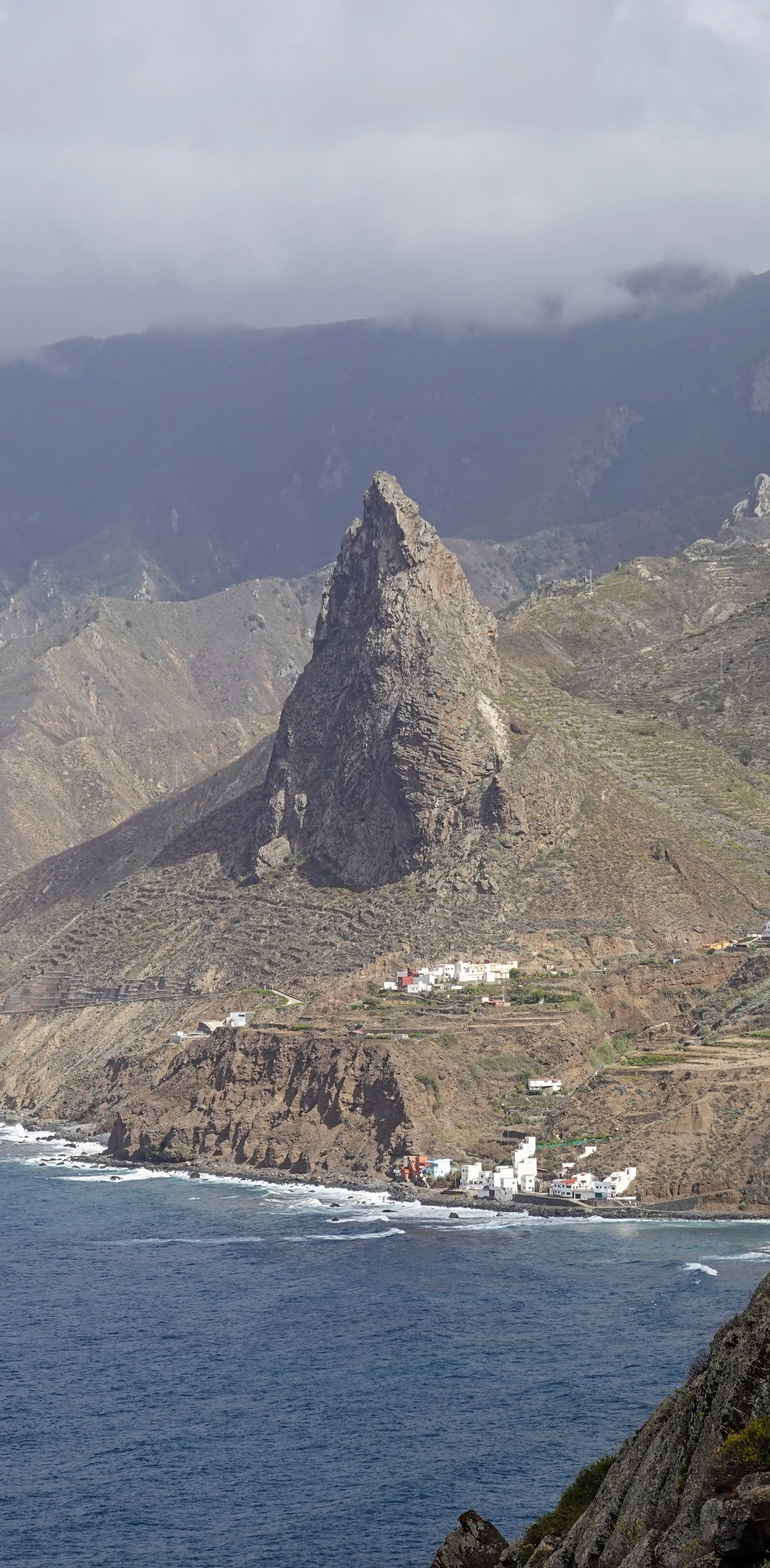
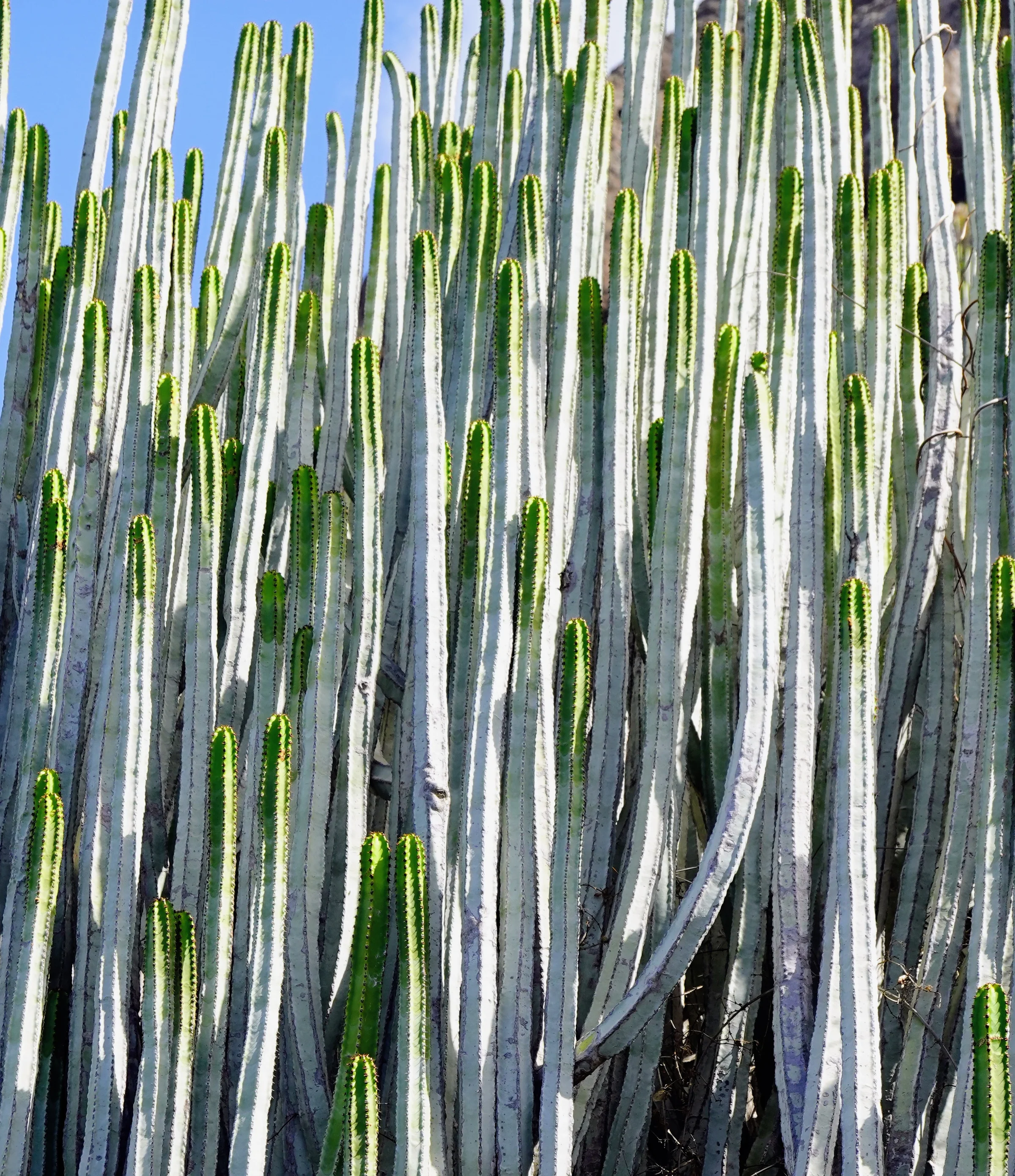
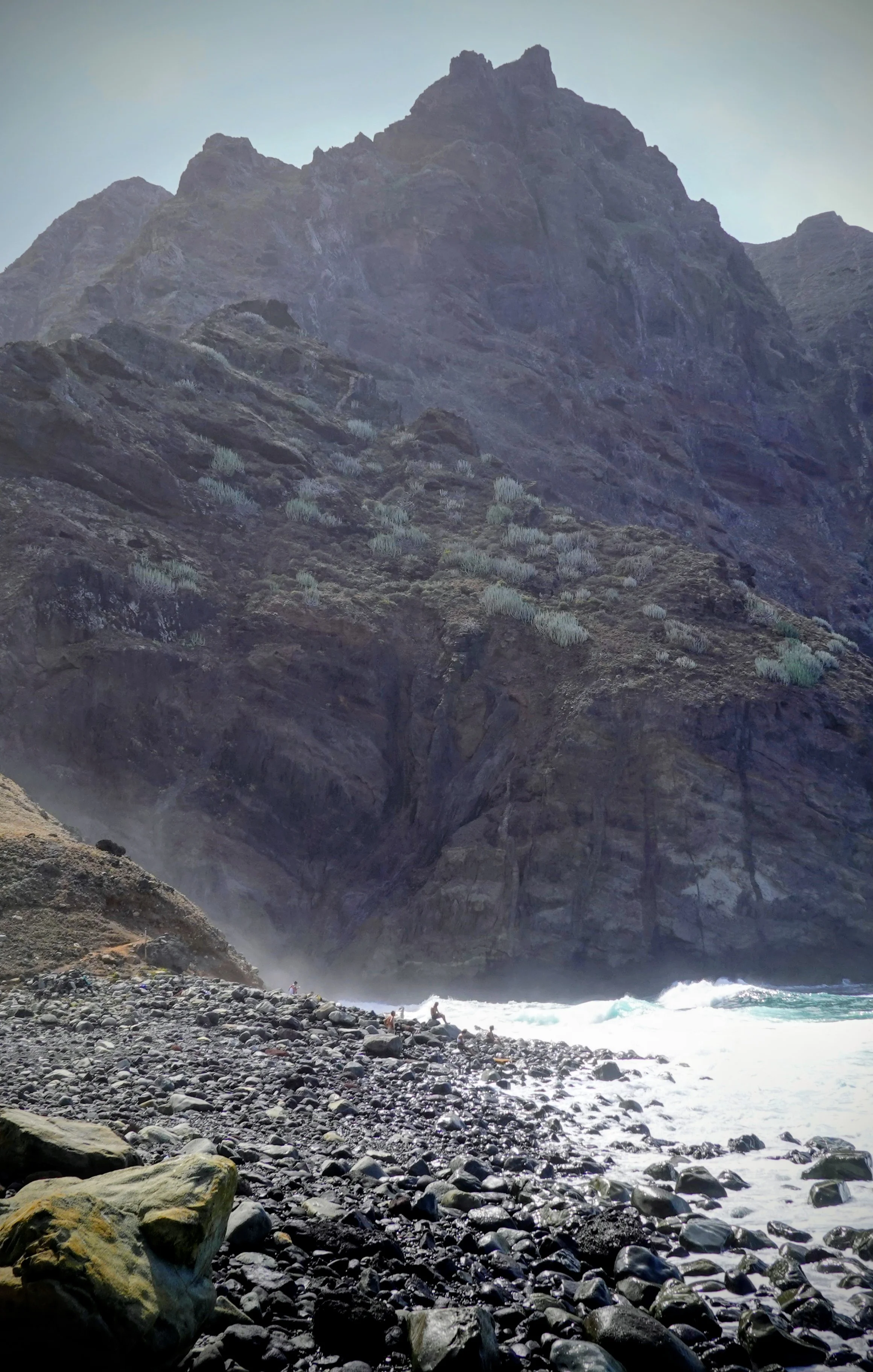
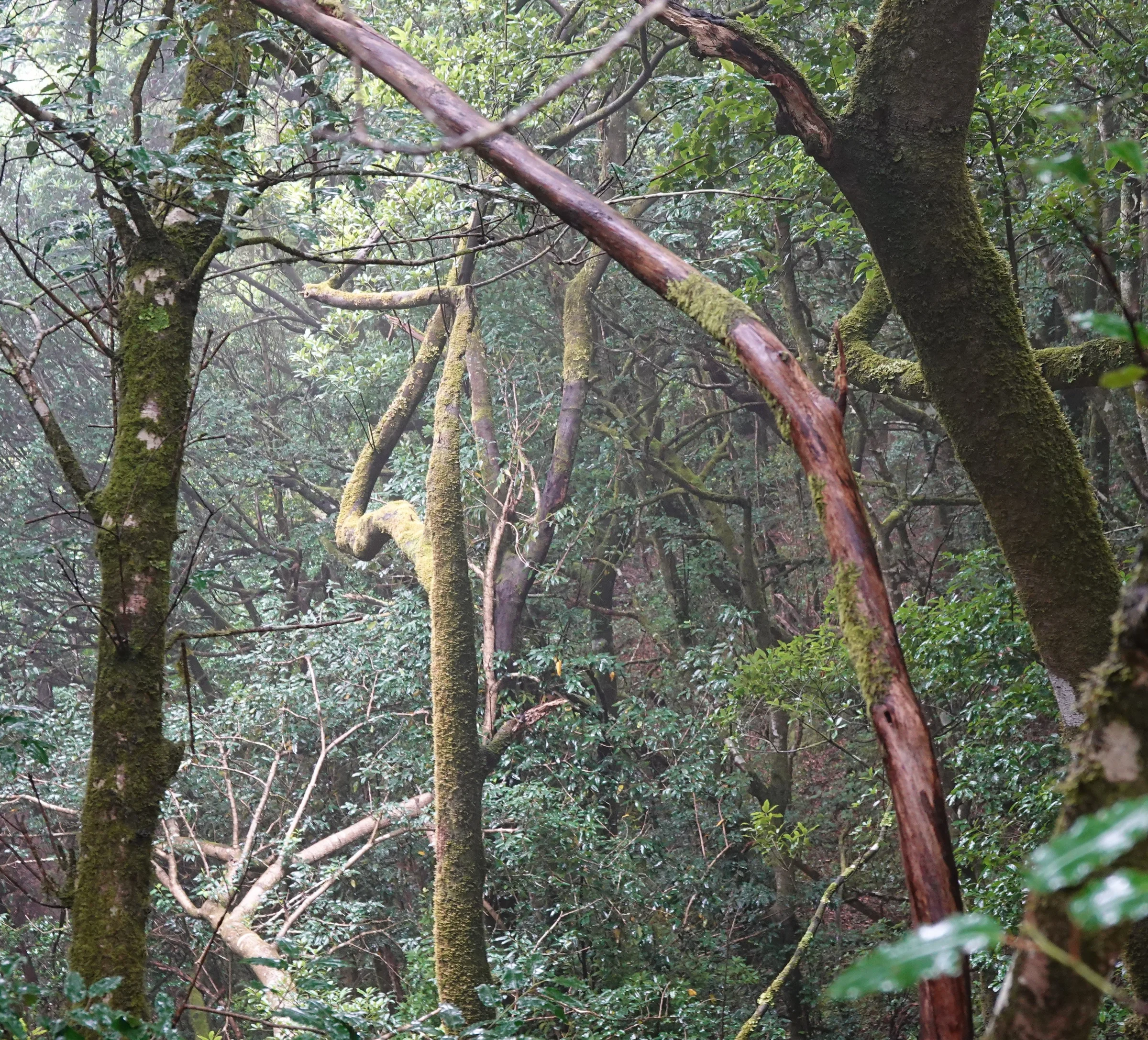
I made my way to Tenerife by bus, train, and ferry, and had three days on the island before the ship departed. What makes Tenerife special is the variety: depending on altitude and which side of the island you’re on, the landscape and climate change completely, from arid volcanic desert to lush cloud forest. Those were my last days on land for a while.
The first week
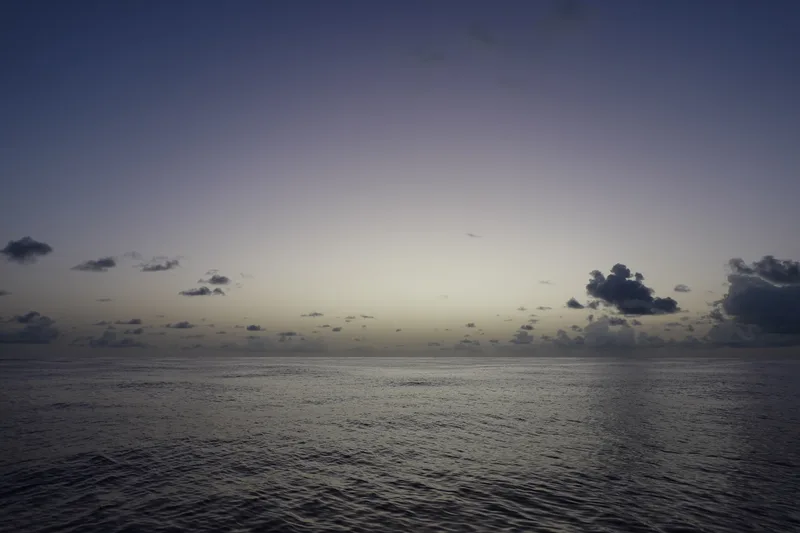
The first leg was Tenerife to Cabo Verde, roughly a week of sailing. The watch schedule wrecked my sleep cycle for the first several days: I did 12–16h and 0–4h shifts that week, and spent my free time reading, practising ukulele, trying to photograph flying fish (they jump out randomly, are tiny and fast, and are only out of the water for a few seconds), and chatting with crew and other trainees. I got along well with most of them, and settled into the ship’s rhythm with some ease.
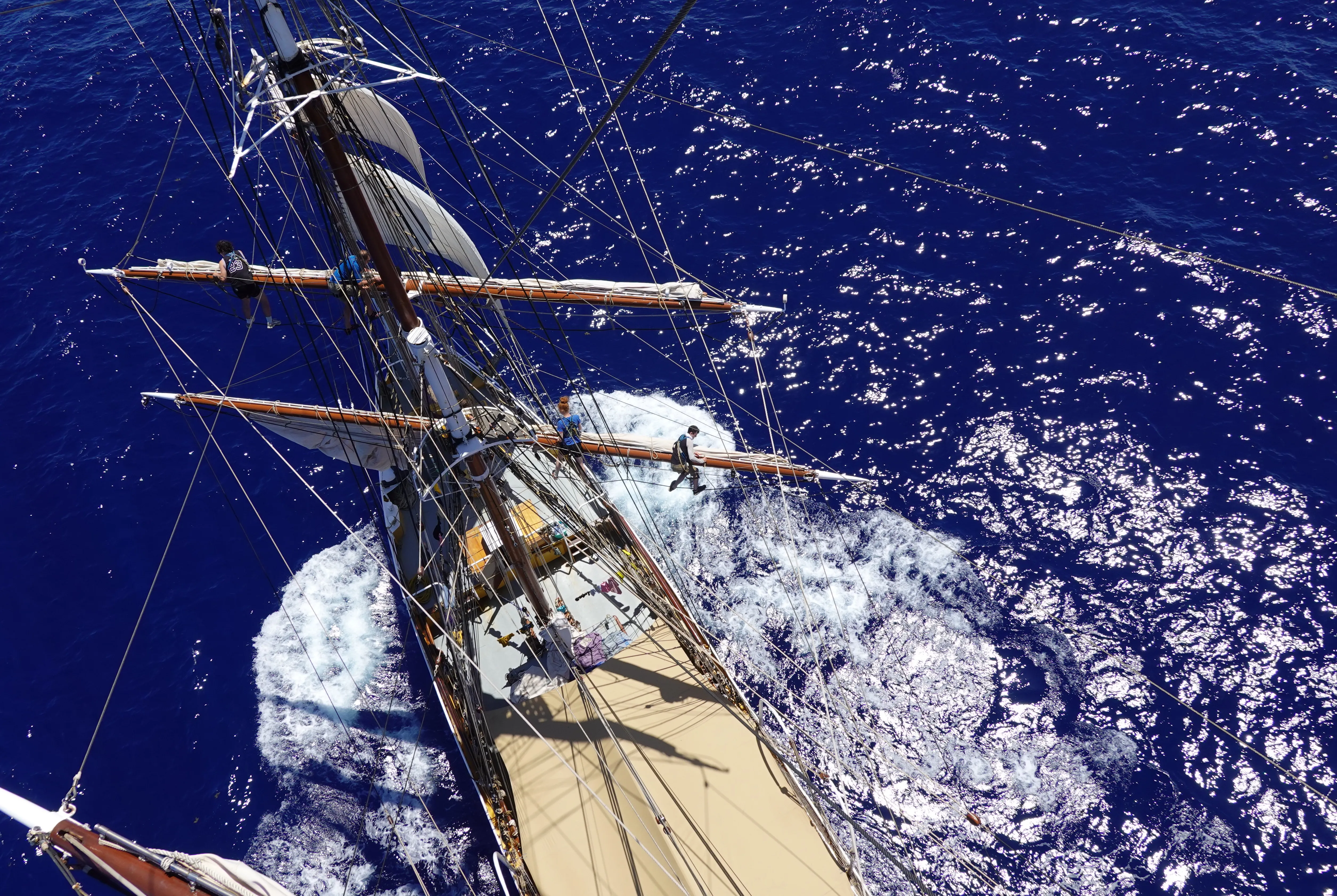
One of the highlights was climbing the main mast. It is nearly 30 metres tall and the ship is rolling the whole time, so you’re swinging with it near the top. The scary part is the single safety hook: each time you move it to a new anchor point on the way up, you are briefly unsecured, 20 or so metres above the deck.
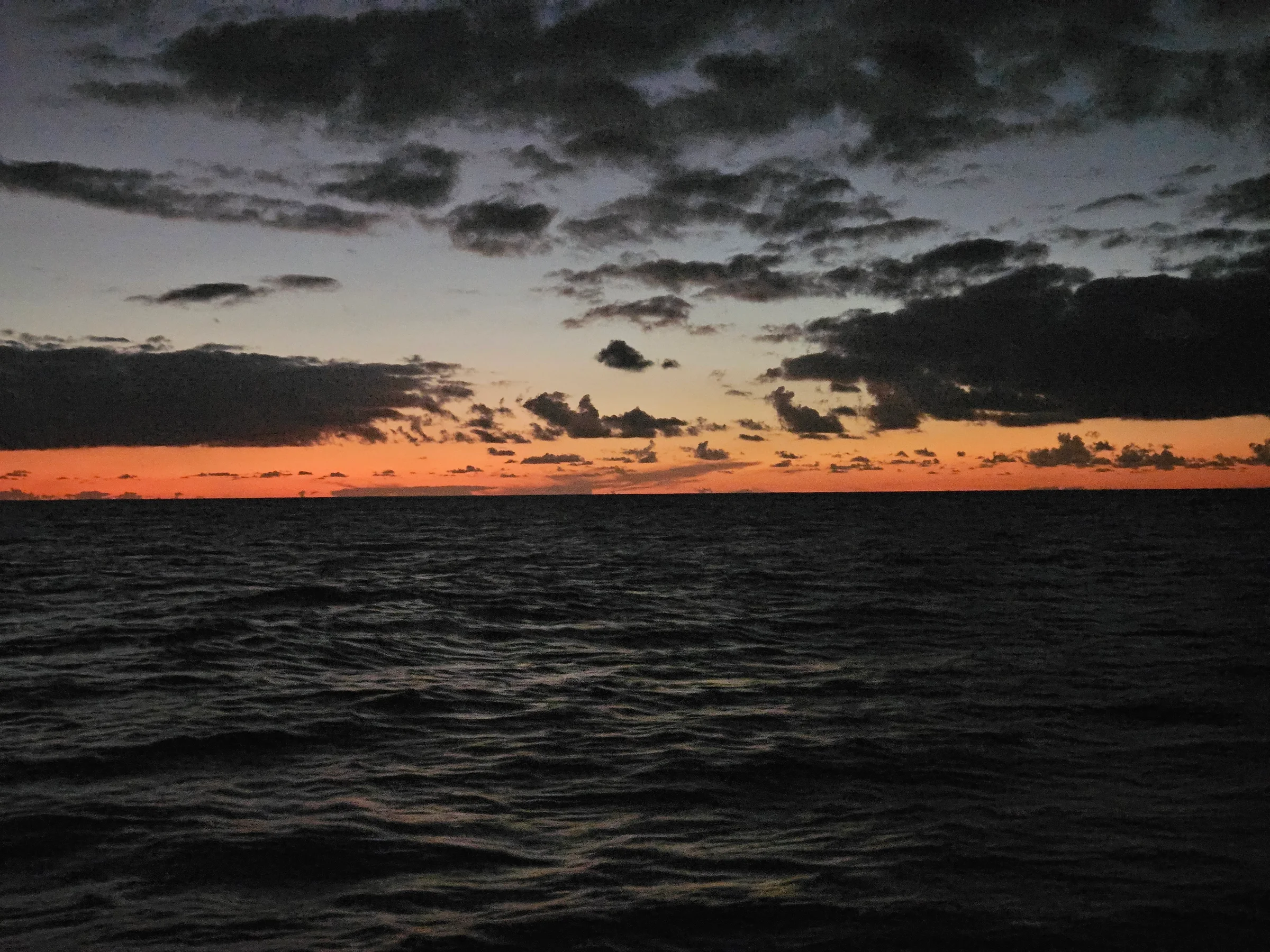
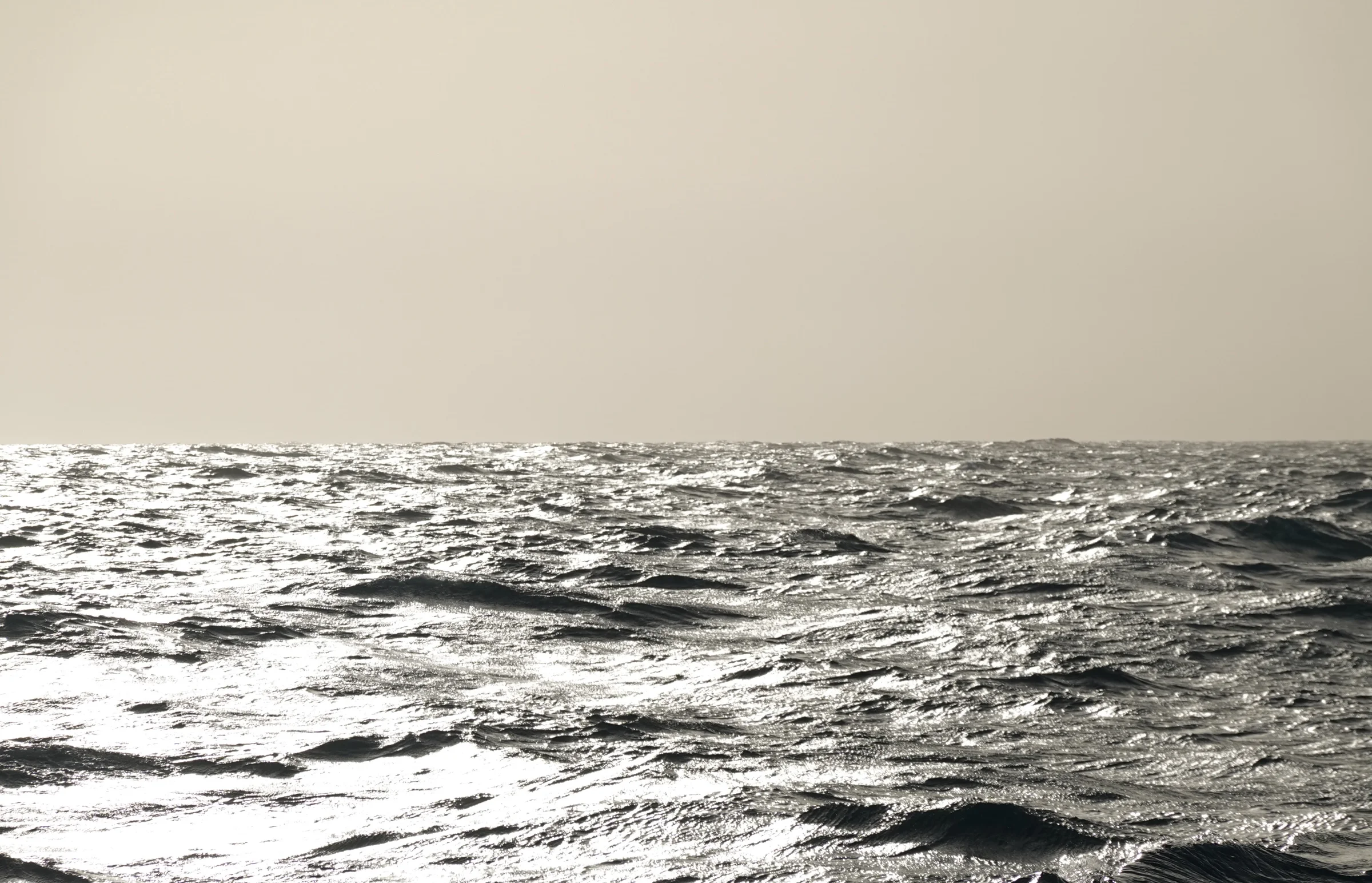
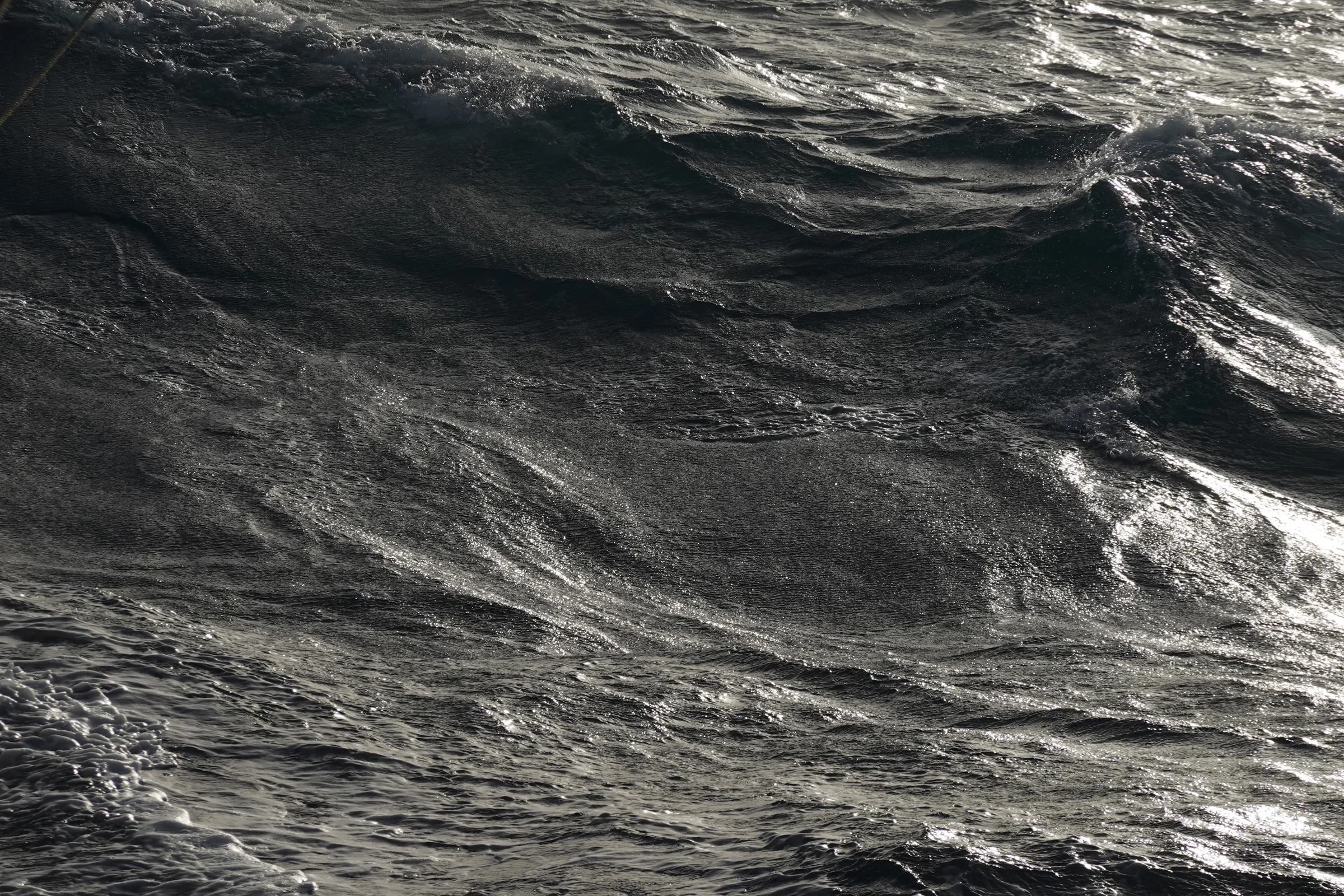
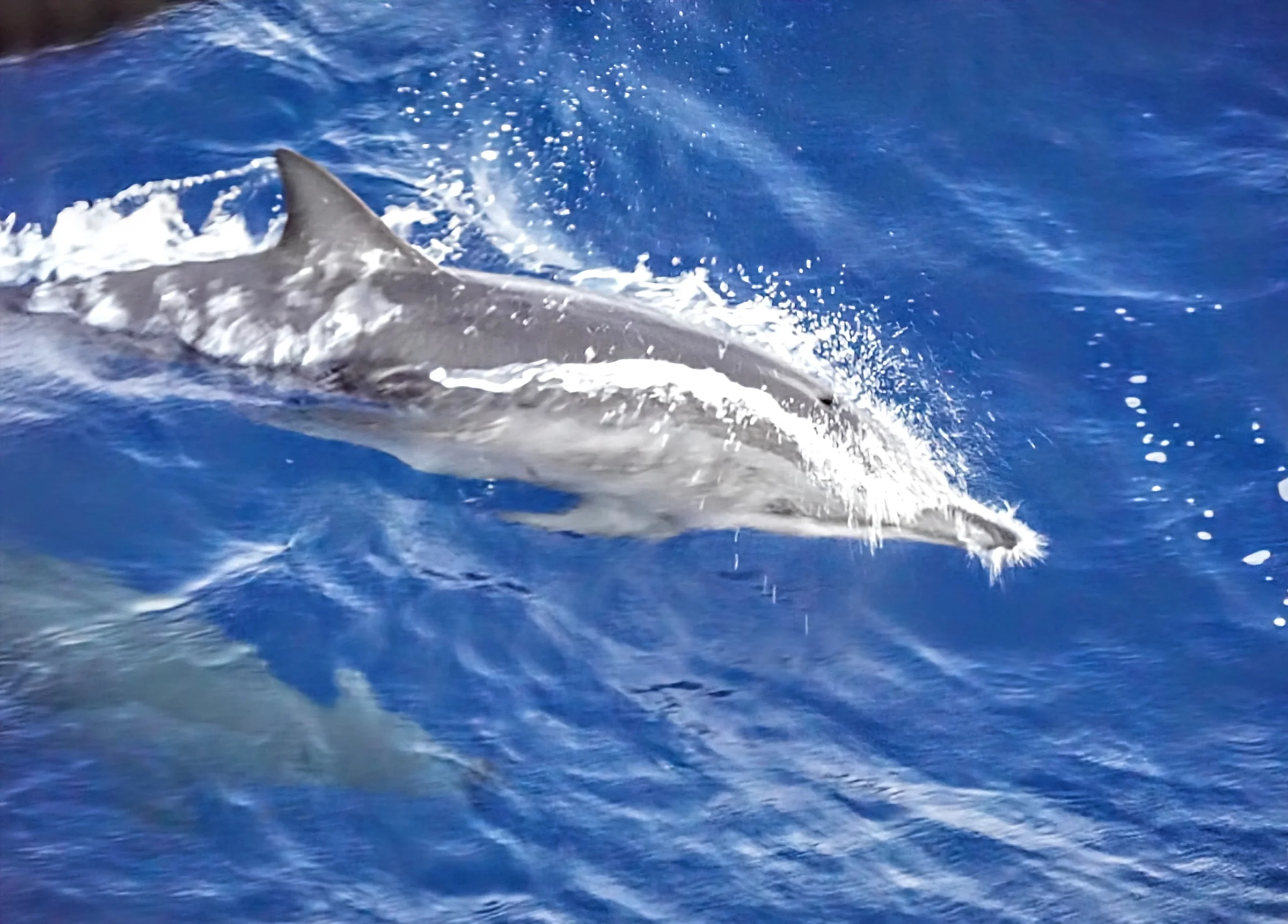
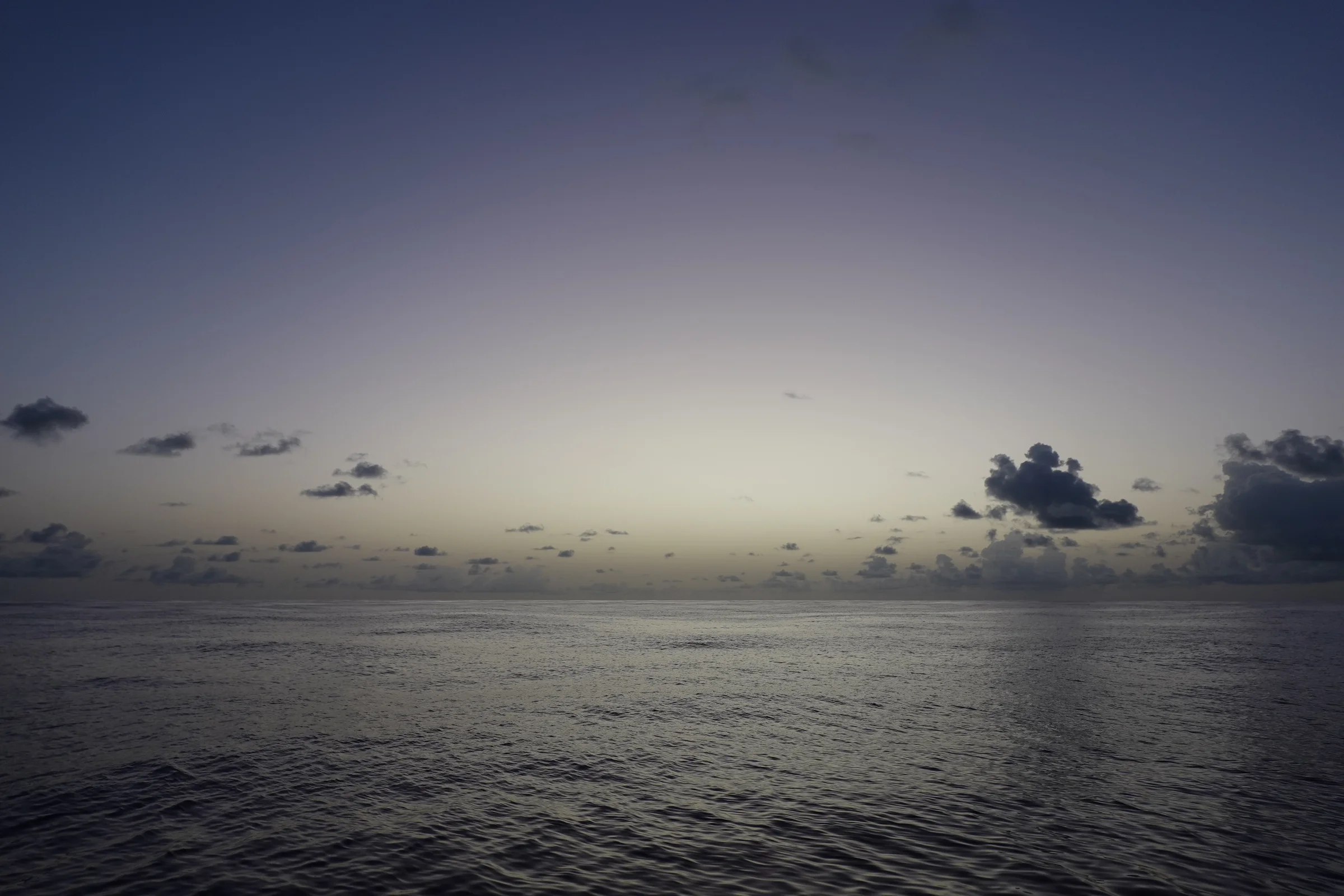
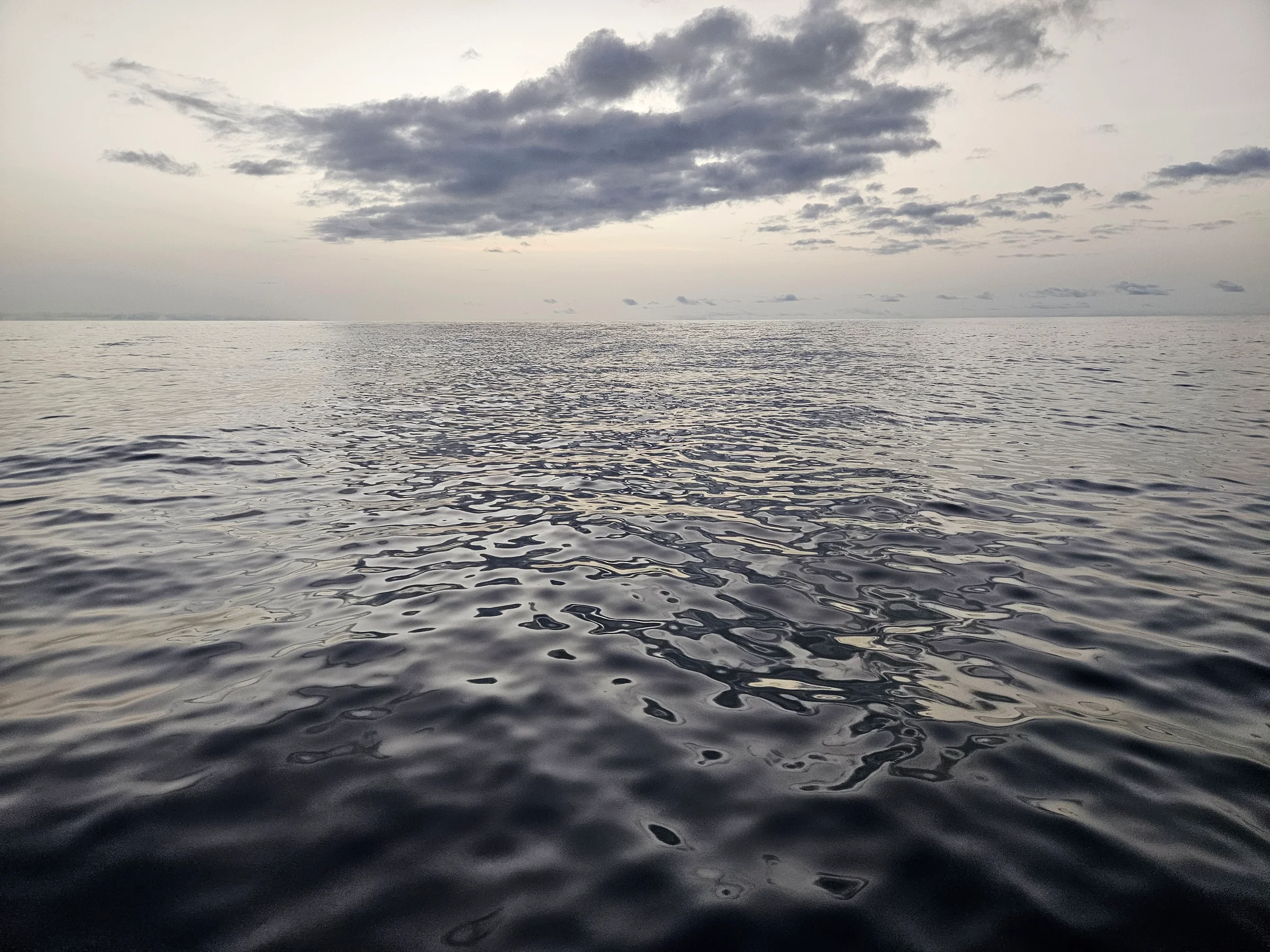
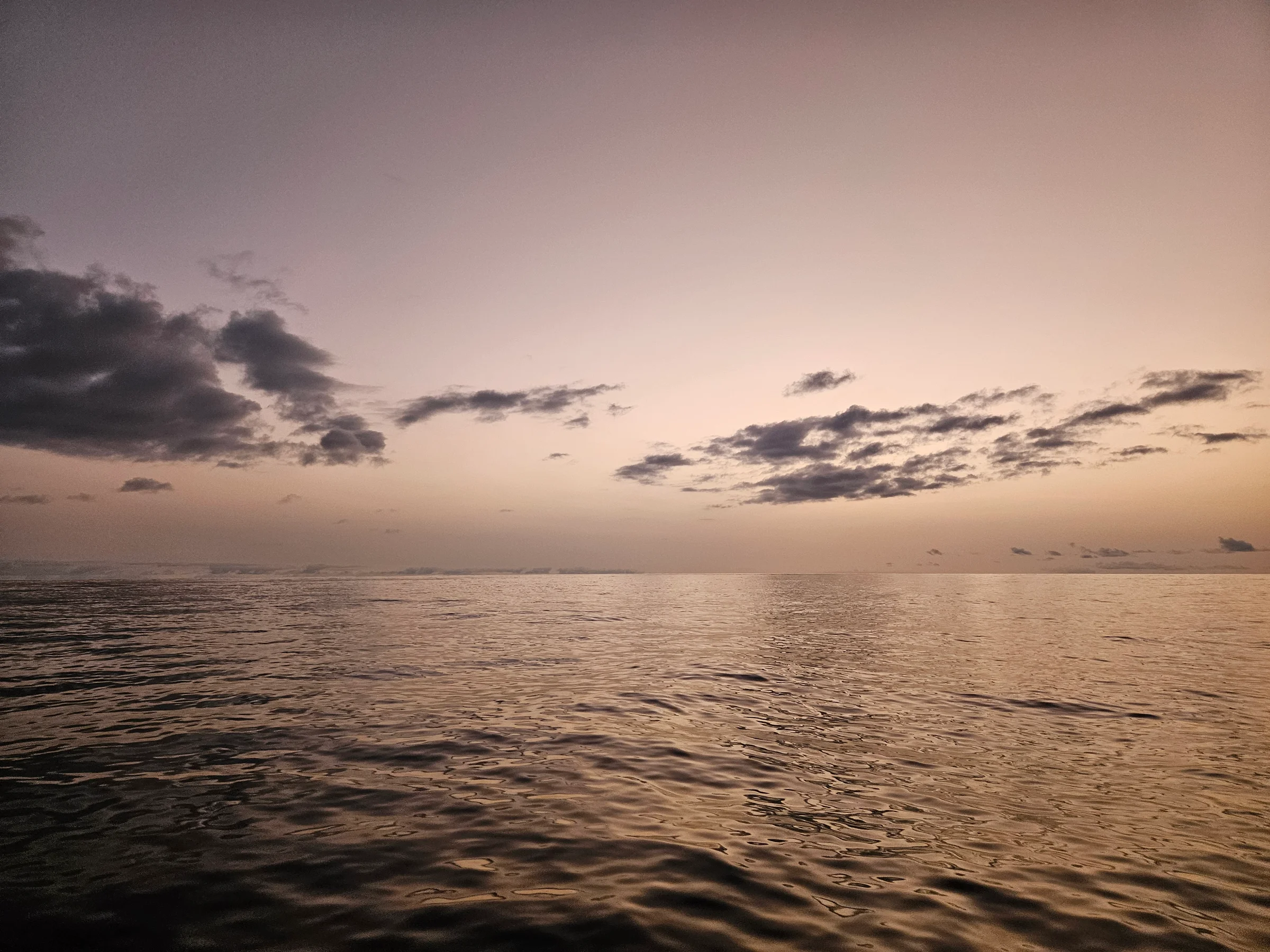
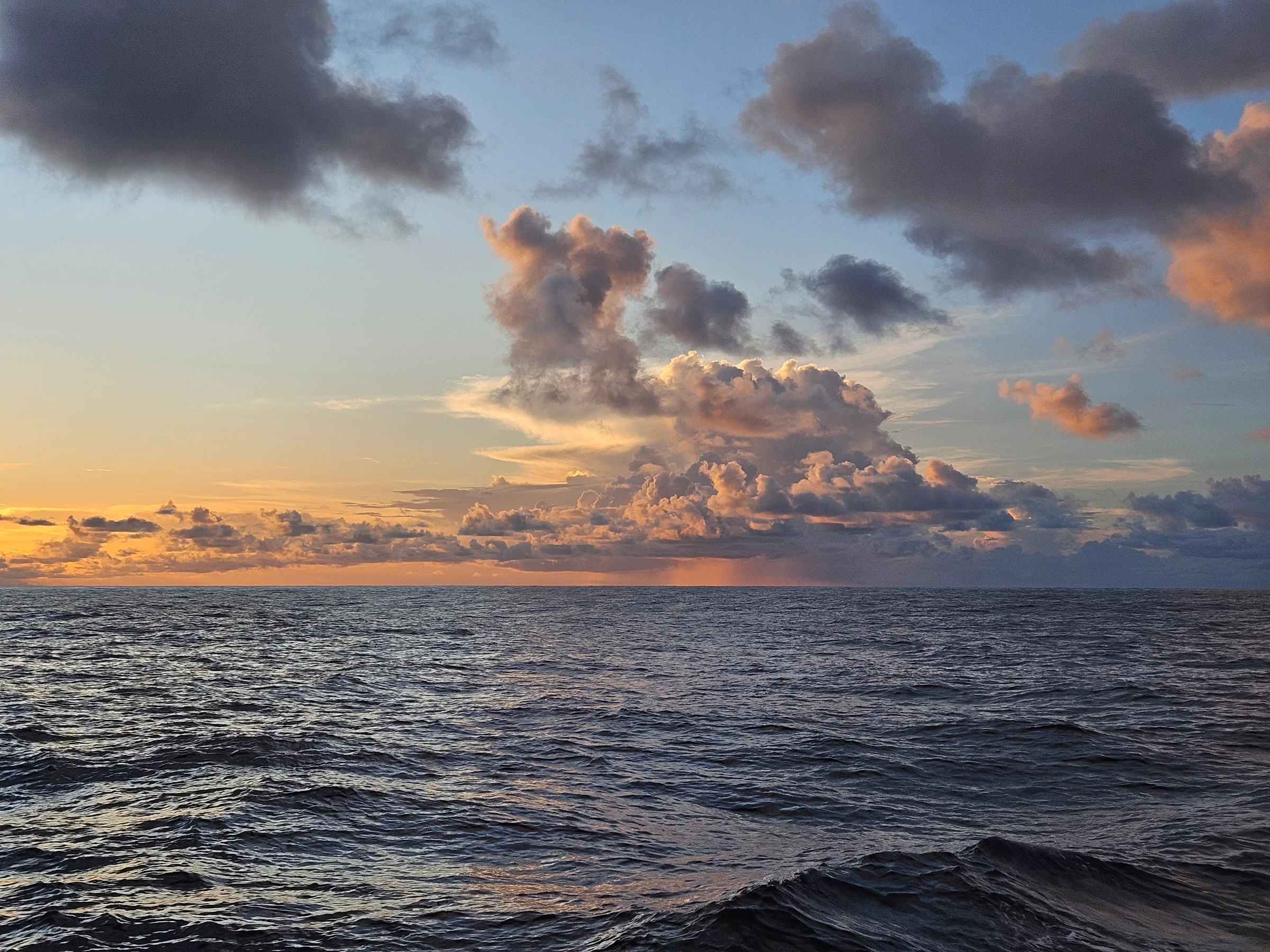
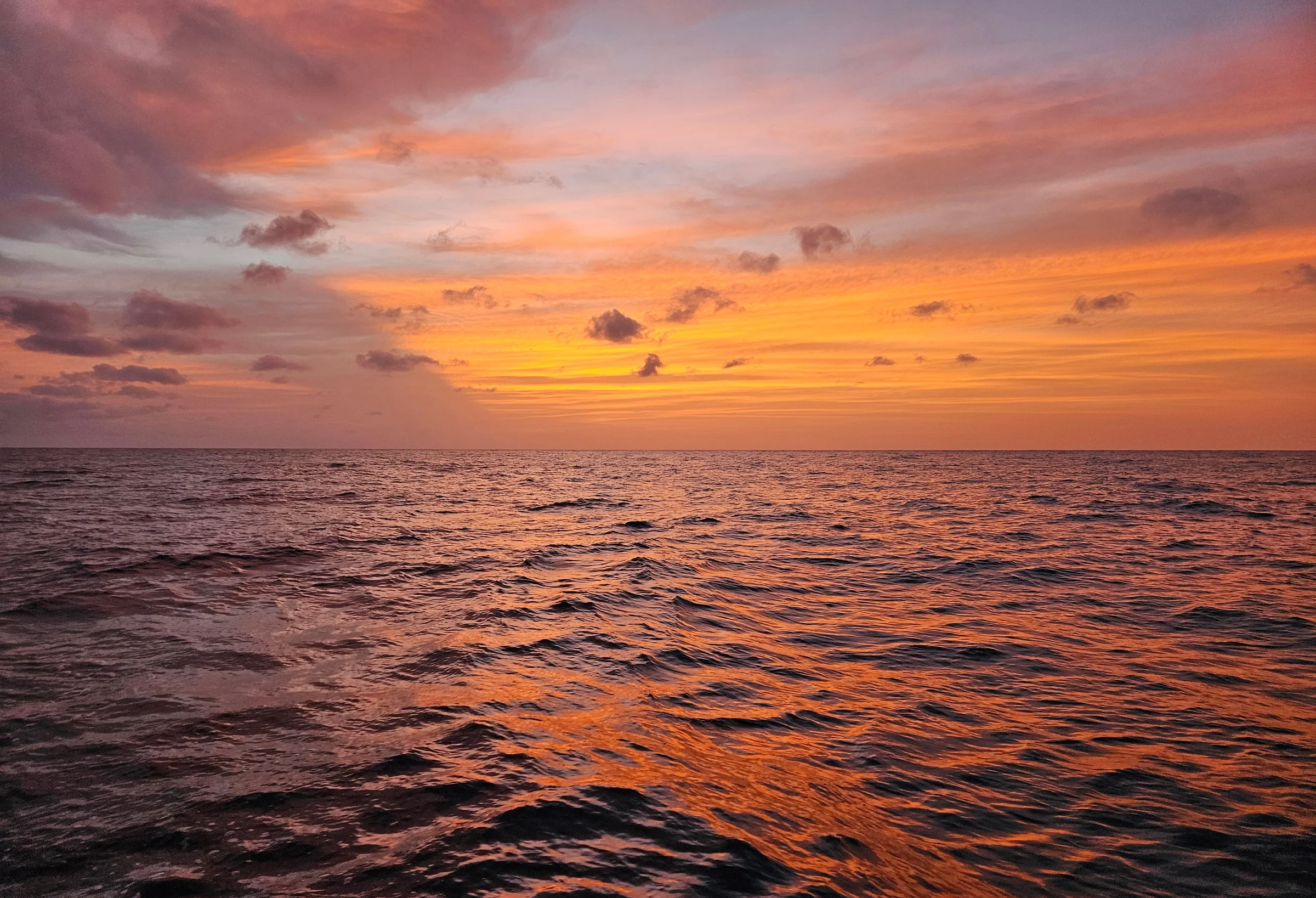
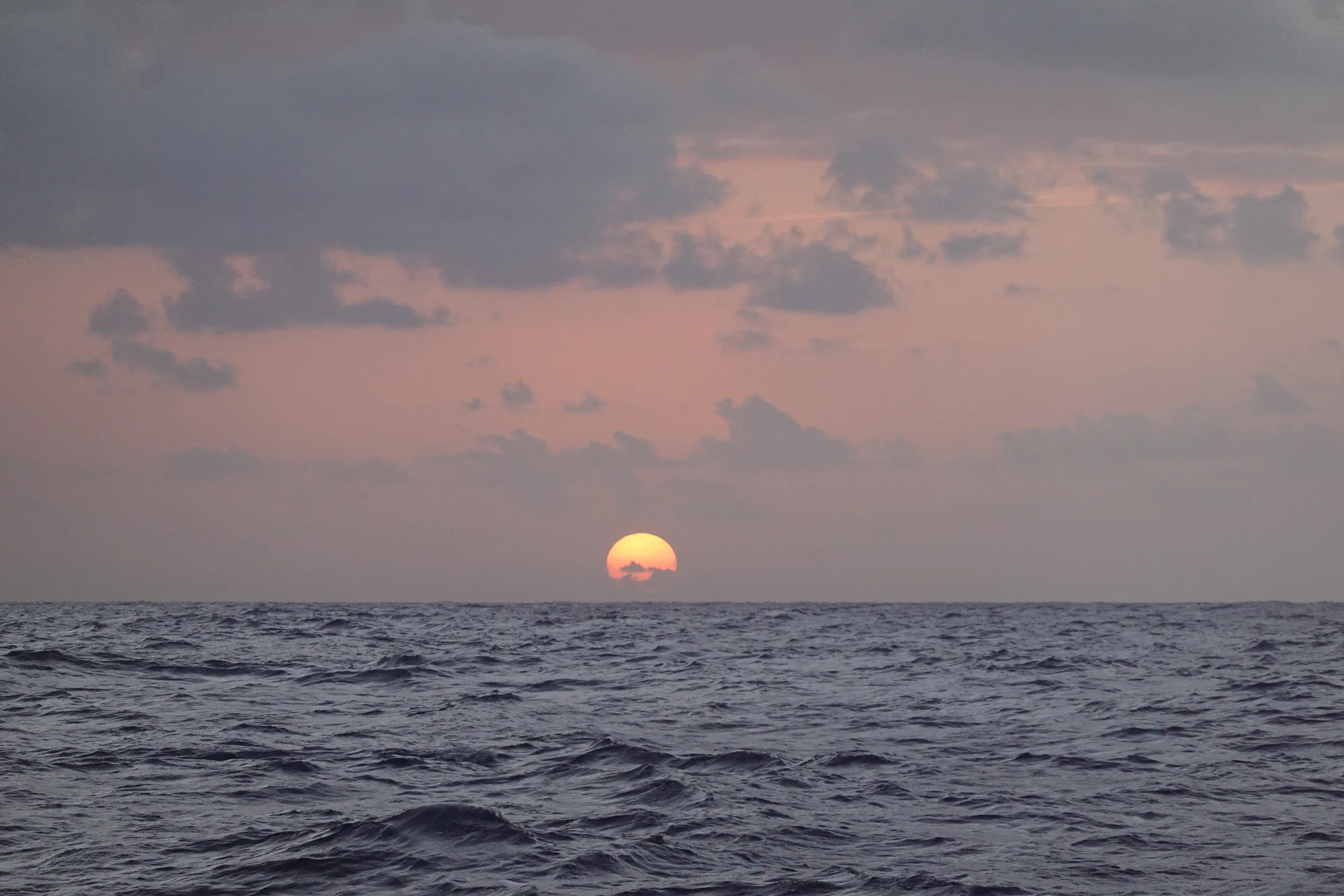
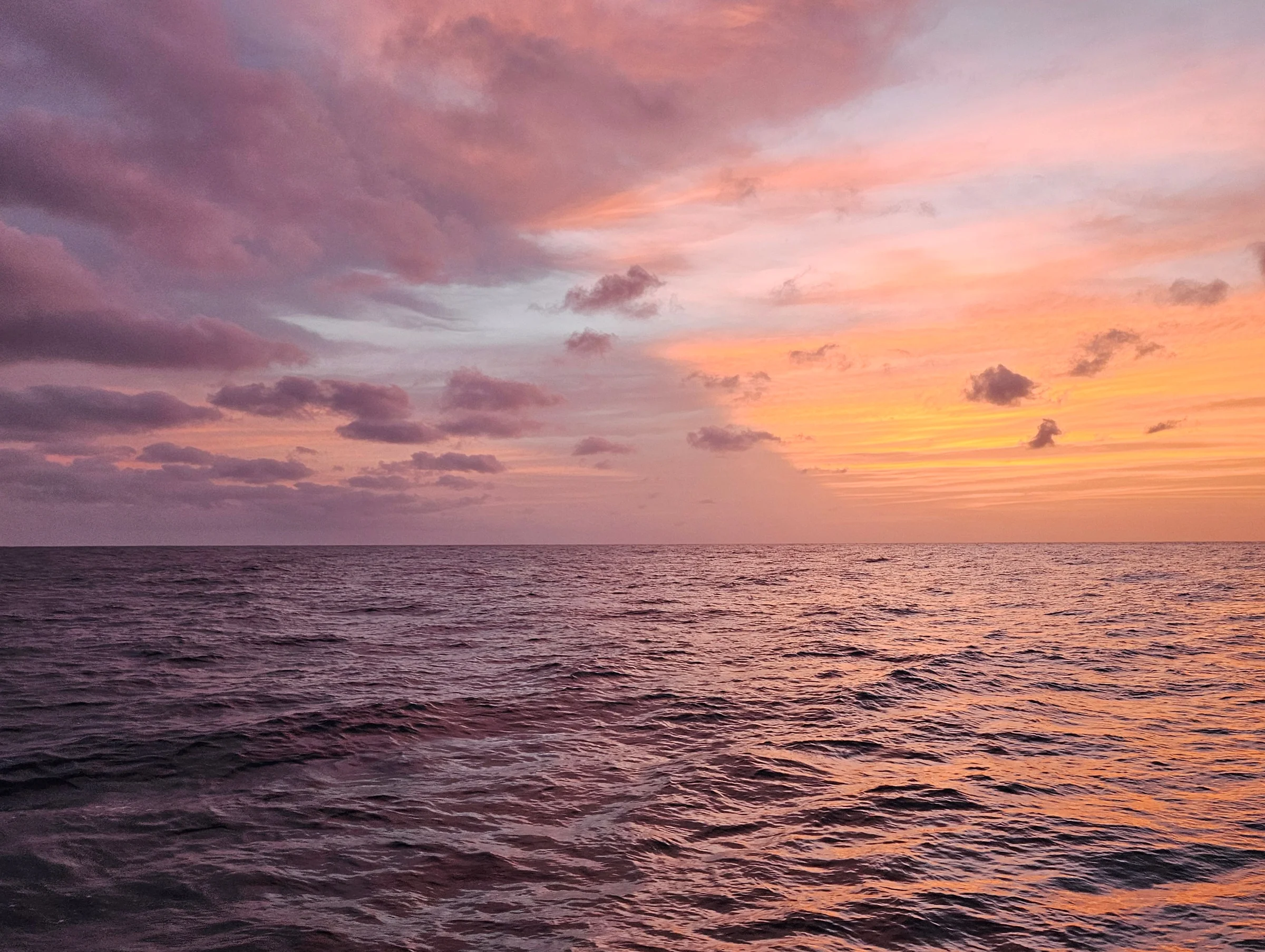
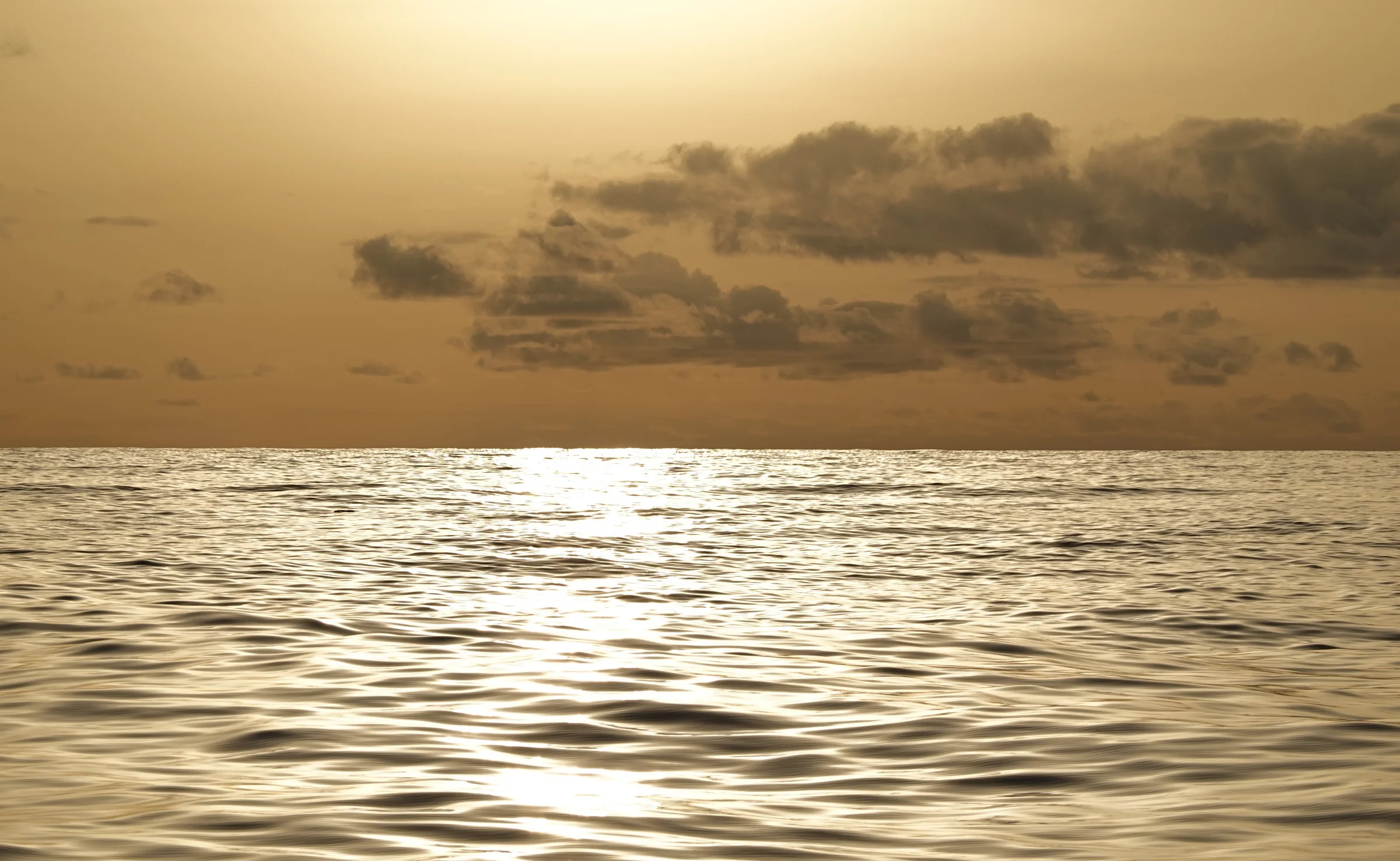
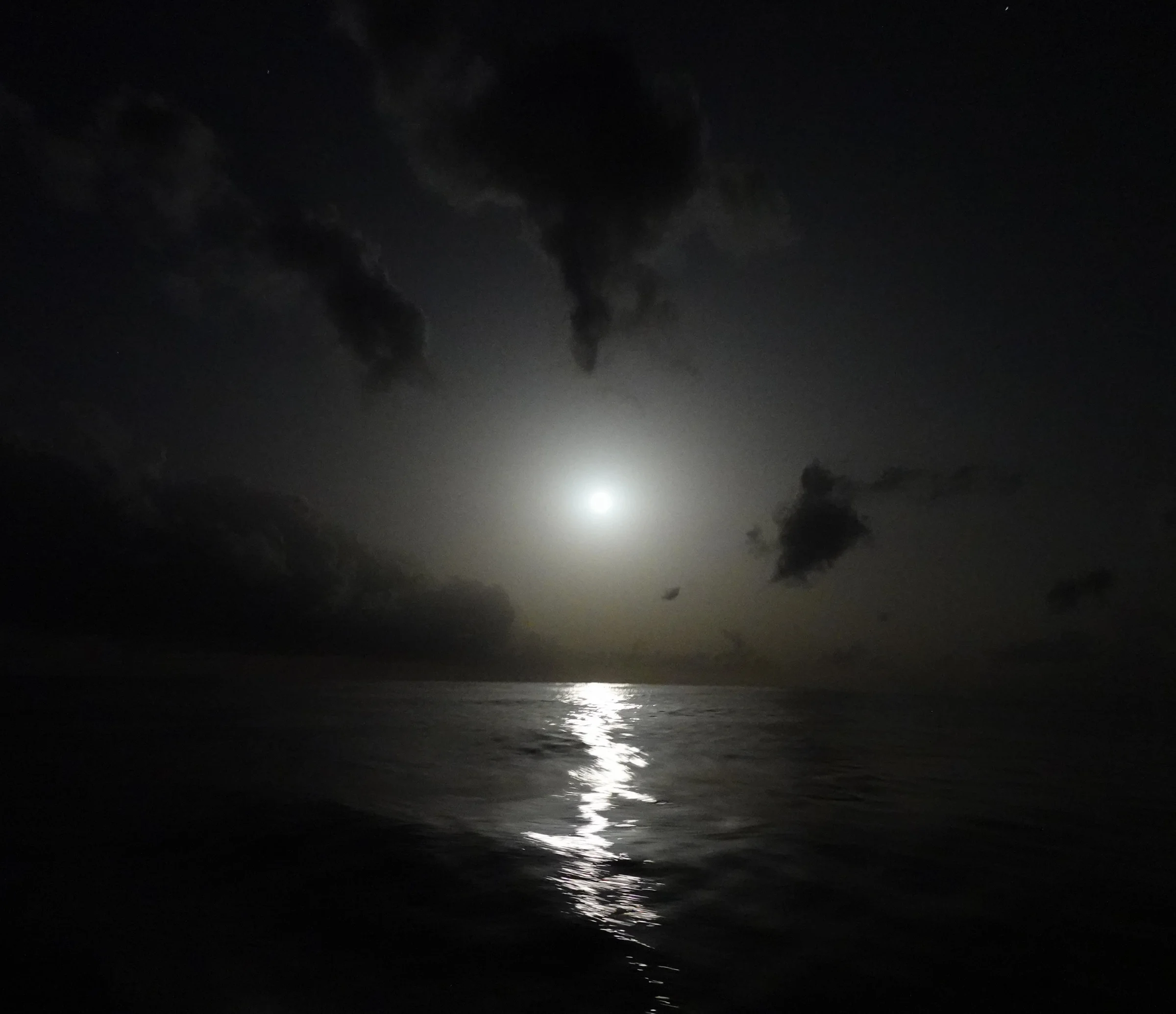
Every now and then I’d look around and see the same endless ocean, changing slowly as the day passed. It is endlessly beautiful, but beautiful like the sky rather than like a landscape passing through a train window. It is not entertainment (unless dolphins show up to play, which they did a couple of times).
Cabo Verde
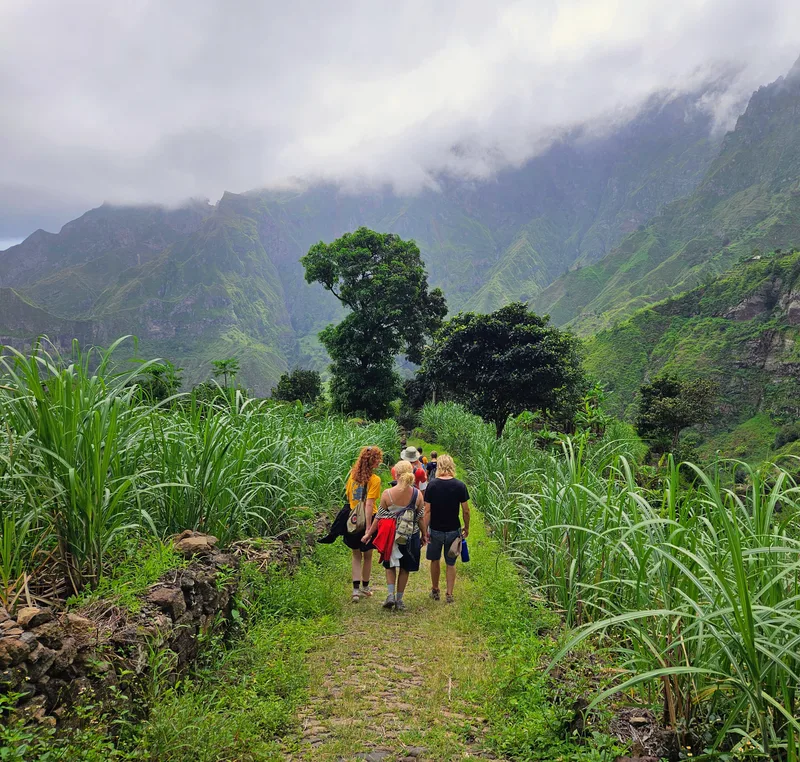
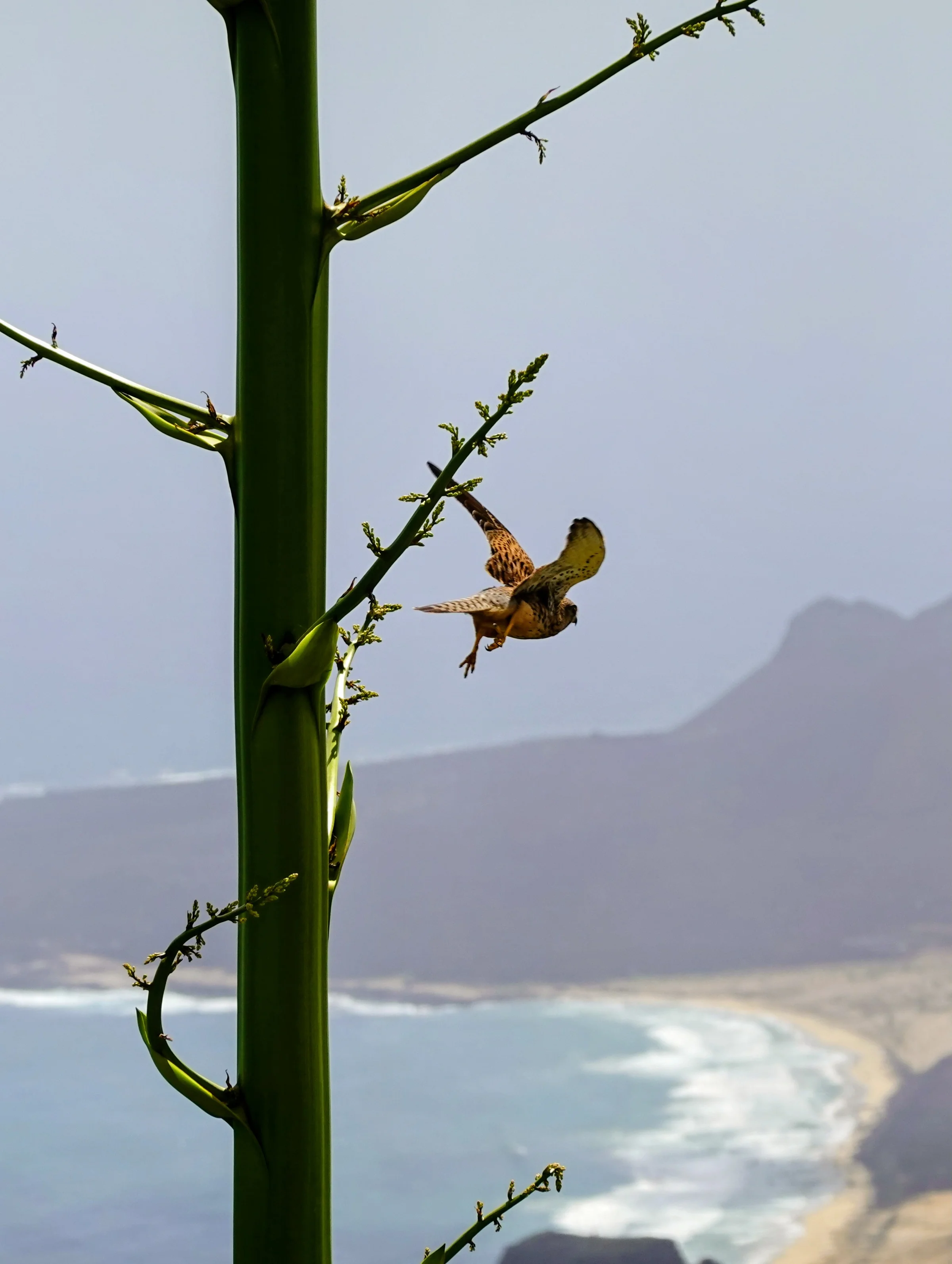
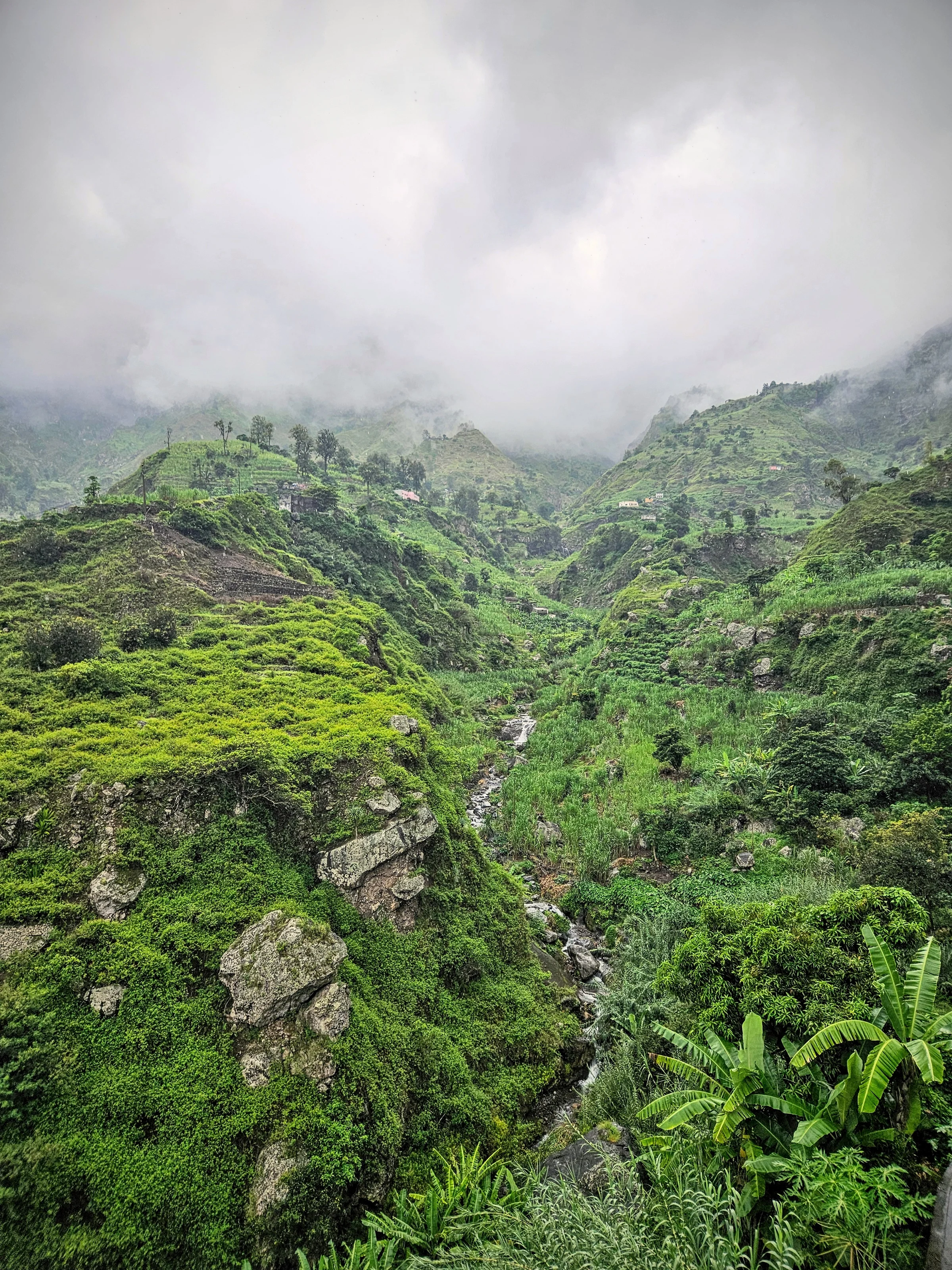
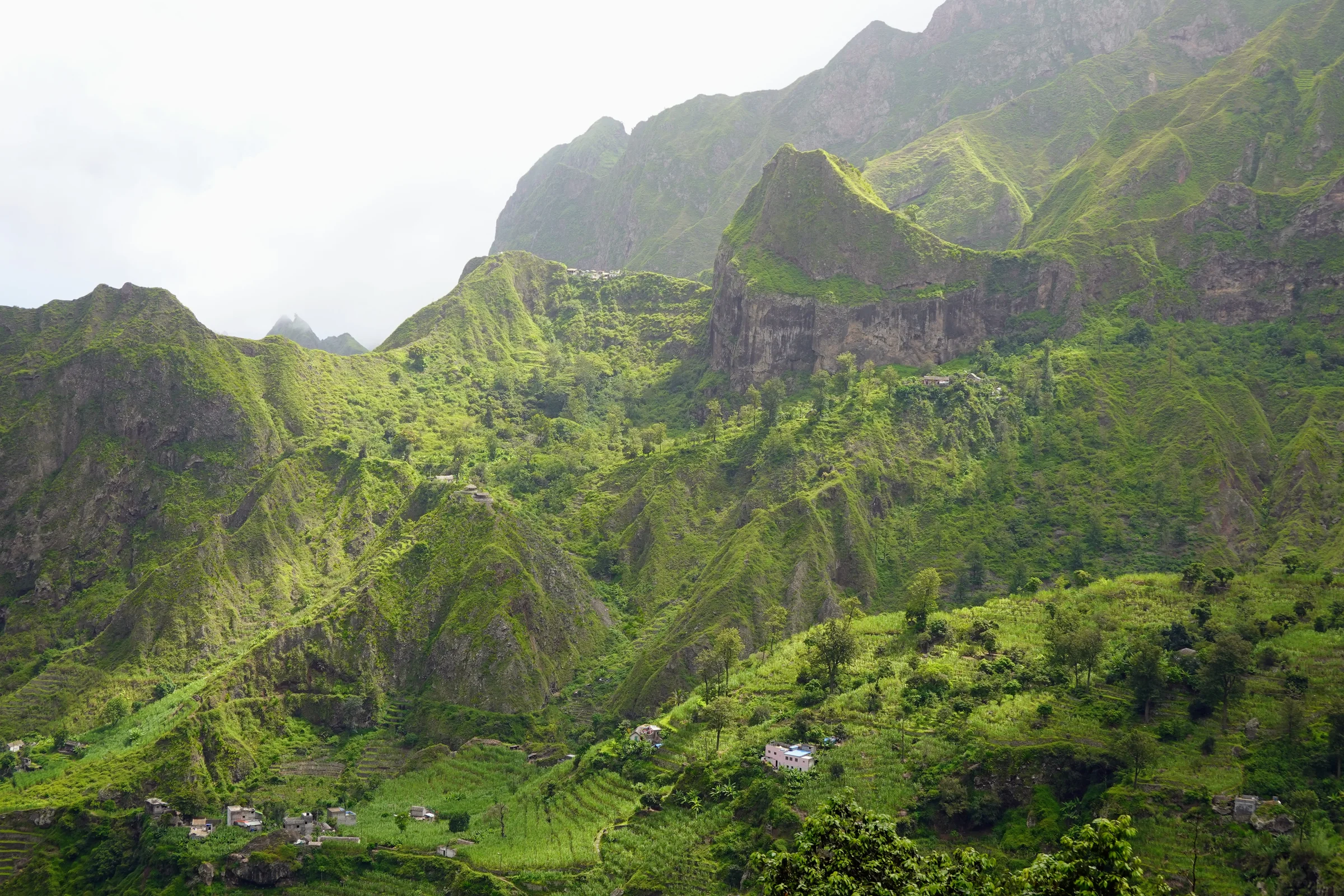
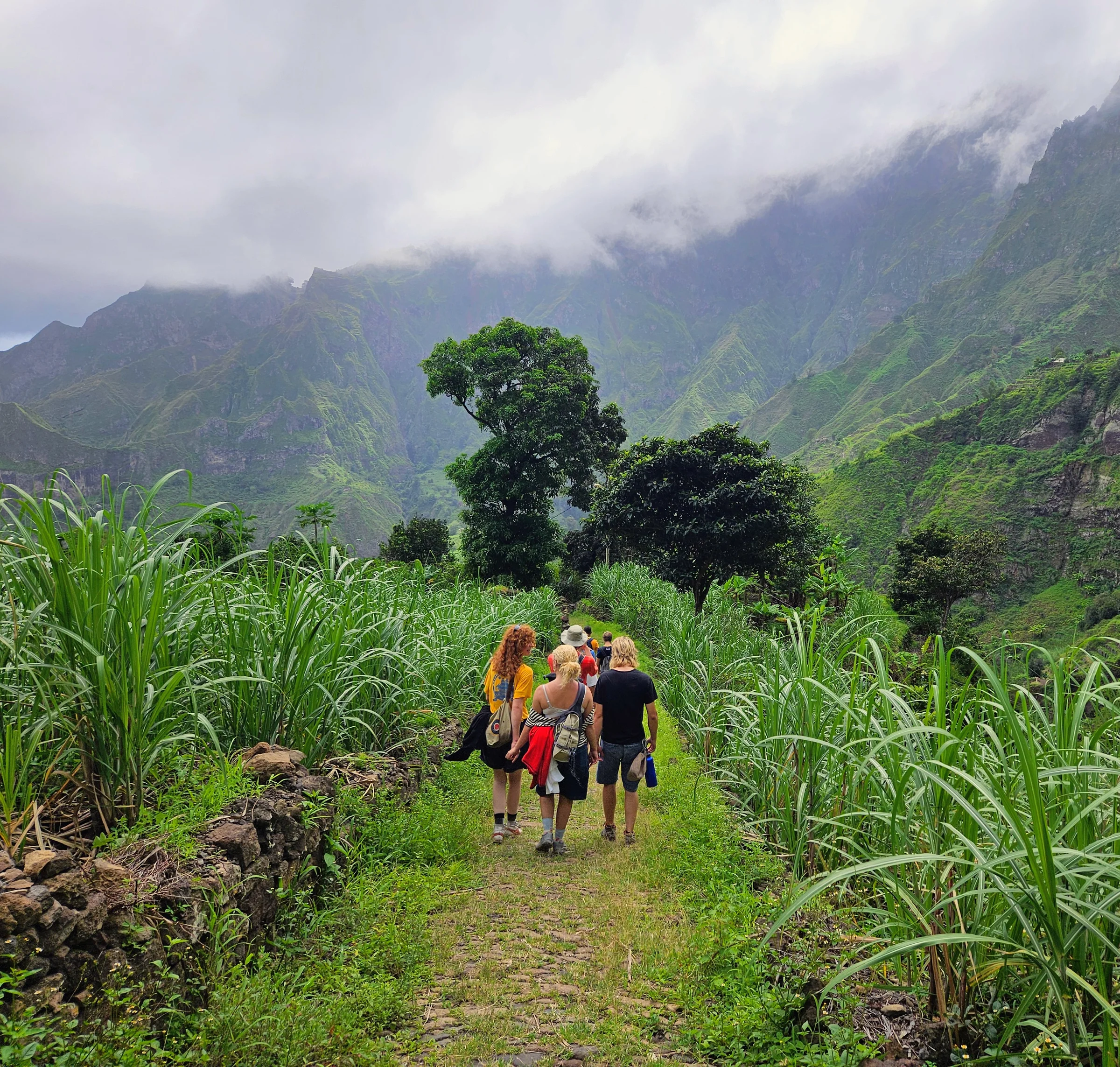
Cabo Verde was a three-day break from sailing. We slept onboard, and visited the archipelago during the day. Cabo Verde is beautiful, dramatic, and very poor. The verdant north island, Santo Antão, was the highlight. I did a couple of hikes with other passengers and crew, exploring in a pleasantly touristy way.
When we left, several passengers and one crew member did not rejoin us. I’d been getting along well with some of them, and their absence changed something. The second leg would be harder.
Crossing the Atlantic
I must have eaten something bad in Cabo Verde. When the nausea hit the first morning out, I thought I could shake it off: I climbed the main mast to fold the sails. Climbed back down in a hurry, white and sweating, puked as soon as I reached the deck, then barely moved for three days.
The seas on that stretch were fairly calm, which was lucky, because the combination of illness and tropical heat was awful. And once the physical misery lifted, the psychological weight set in properly. The ship rolls for days on end in suffocating heat, you are always around the same people with nowhere to escape for privacy, no internet, no phone network, and only the rhythm of monotonous ship life. A ship is like a company, or a small town: you cannot simply walk away from people who challenge you, and surround yourself with those you find easy. The social contract requires a certain performance of friendliness. I overheard some shit-talking behind people’s back. Nothing bad but I’m sensitive to this stuff! Myself, I was doing this solo, without my own group. Other solo passengers seemed to manage better than I did.
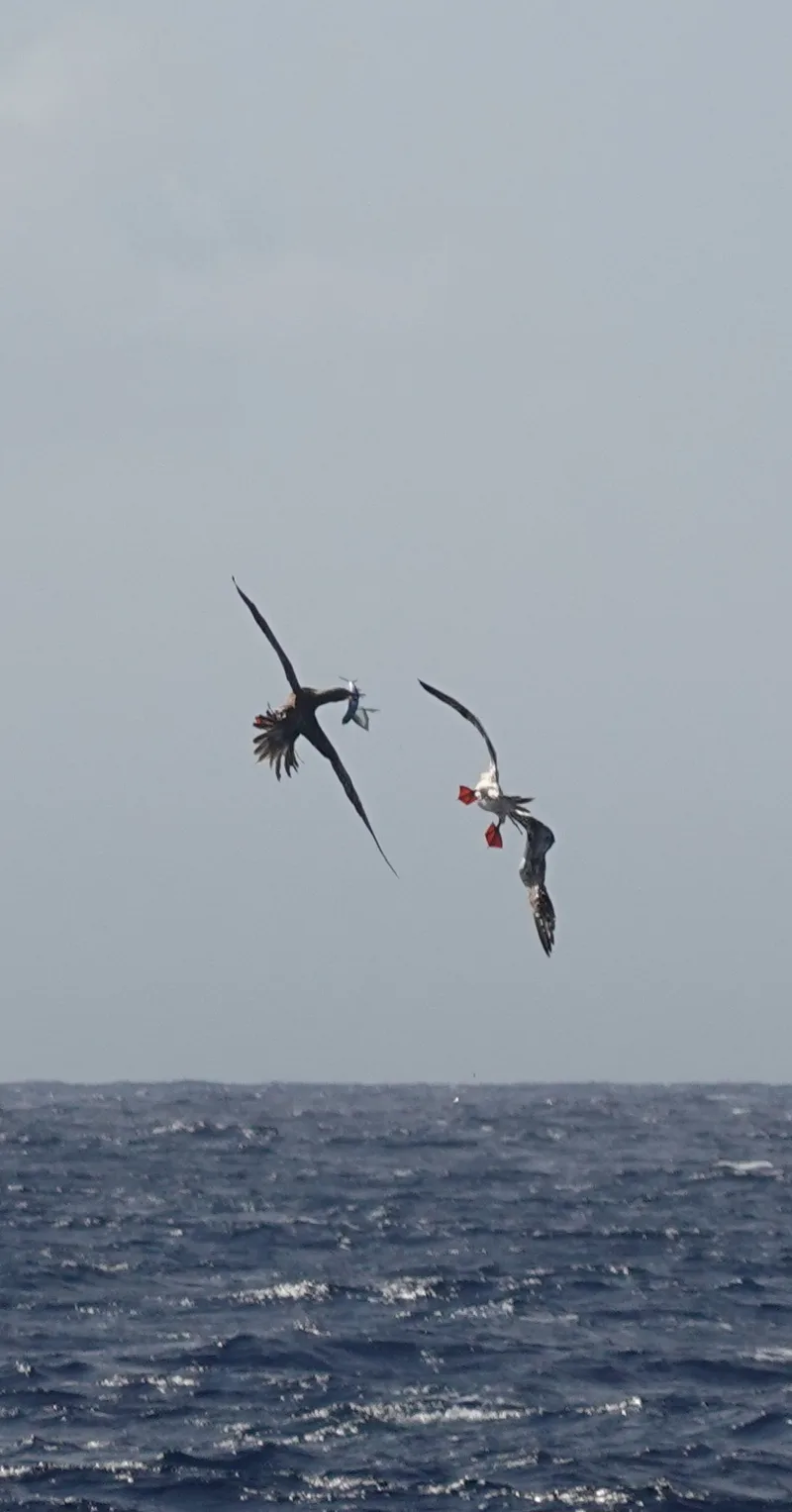
We had several days running on the engine through the doldrums, which is both noisy and, from a climate perspective, not ideal. We crossed the equator, marked by a traditional ceremony. One afternoon we stopped in the middle of the ocean to swim, with 4000 metres of water below our feet. I dived in and swam under the hull to the other side, and found myself alone, the ship’s bulk between me and everyone else. It was not a great feeling. I swam back.
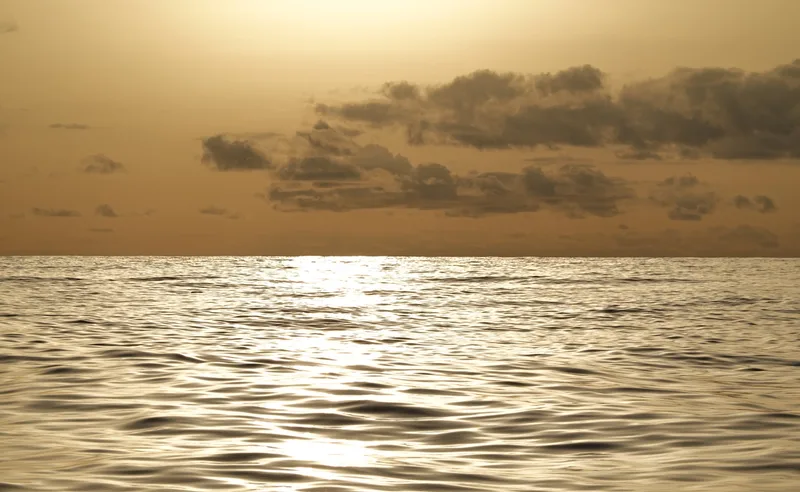
On the last few days I often slept outside in the rescue dinghy, partly to escape the heat, partly because it was the only spot on the ship that felt genuinely private.
And yet… The cook was a big part of what made daily life good: the food was tasty, she had a lot of personality, and she was something of the ship’s mascot. Many of the other passengers and crew were friendly, funny, weird, cool — the kind of people I would have been glad to know in any context. I just couldn’t quite access that gladness from inside the pressure cooker.
Fernando de Noronha
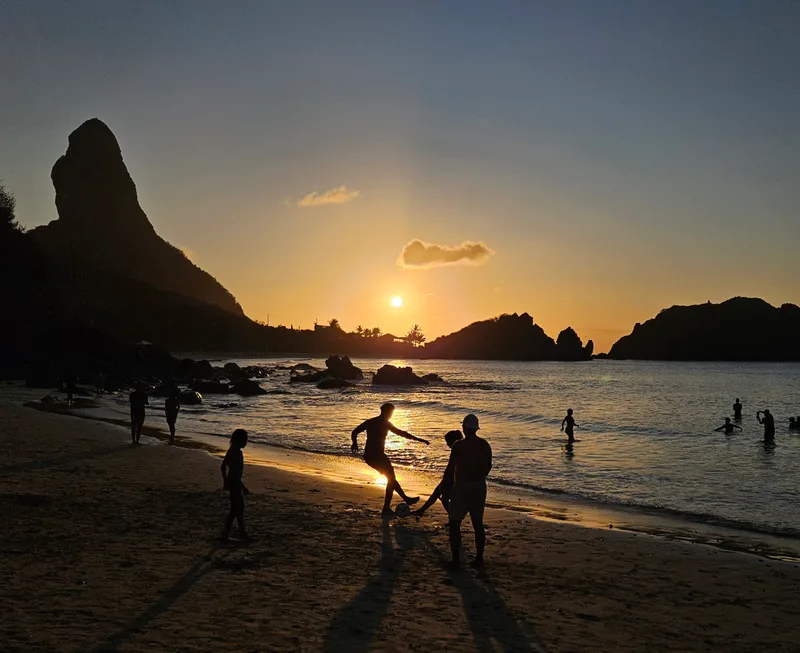
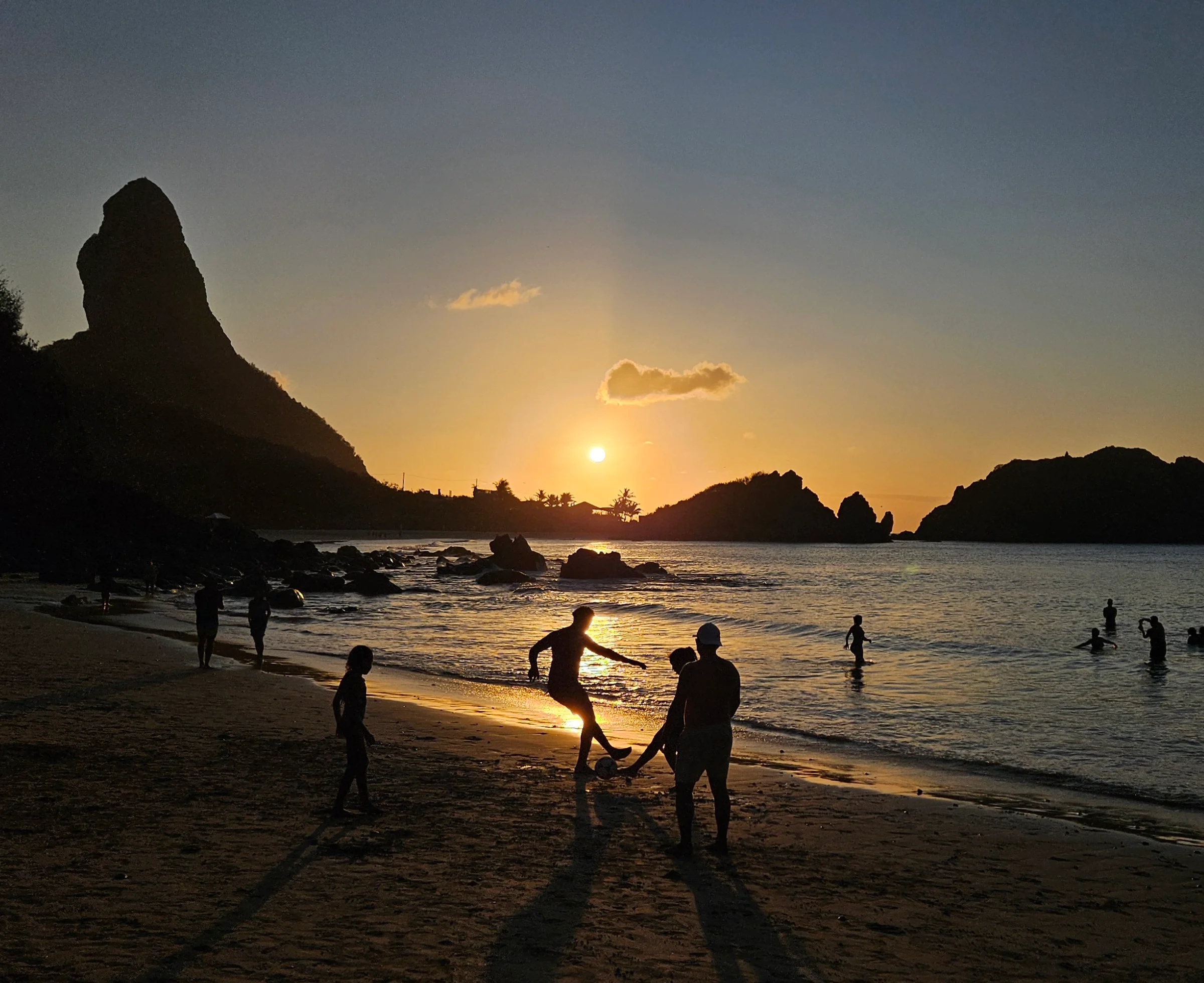
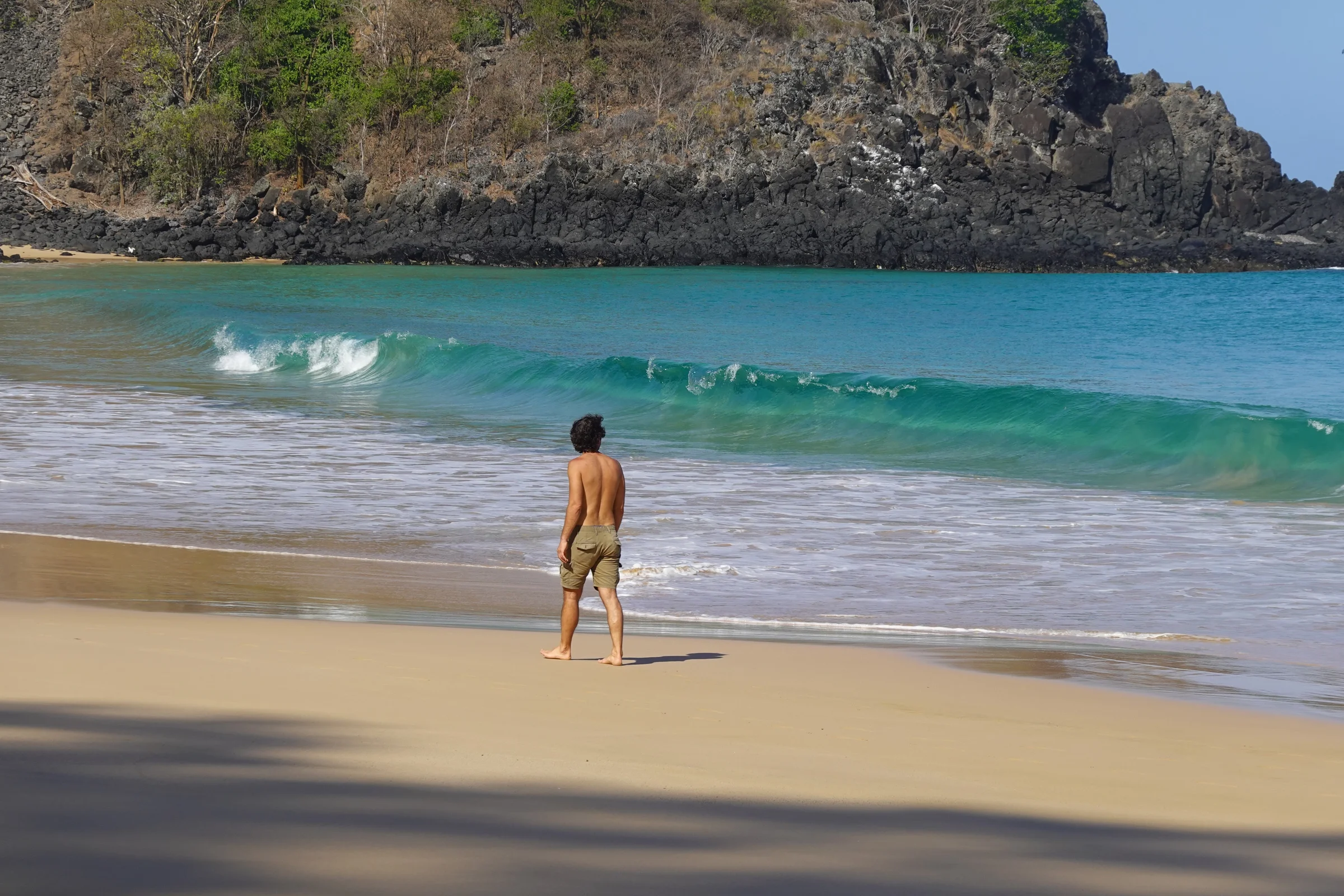
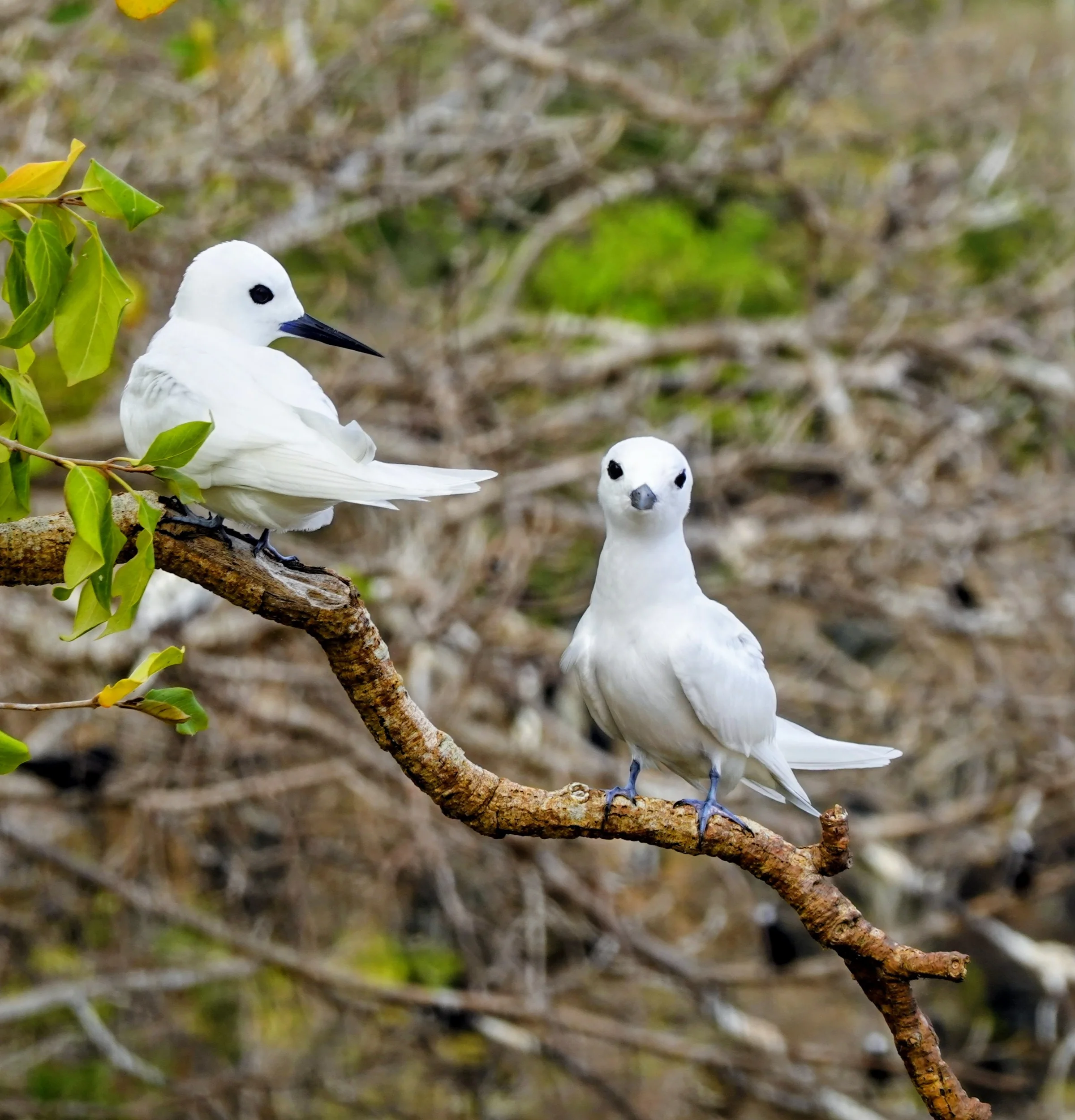
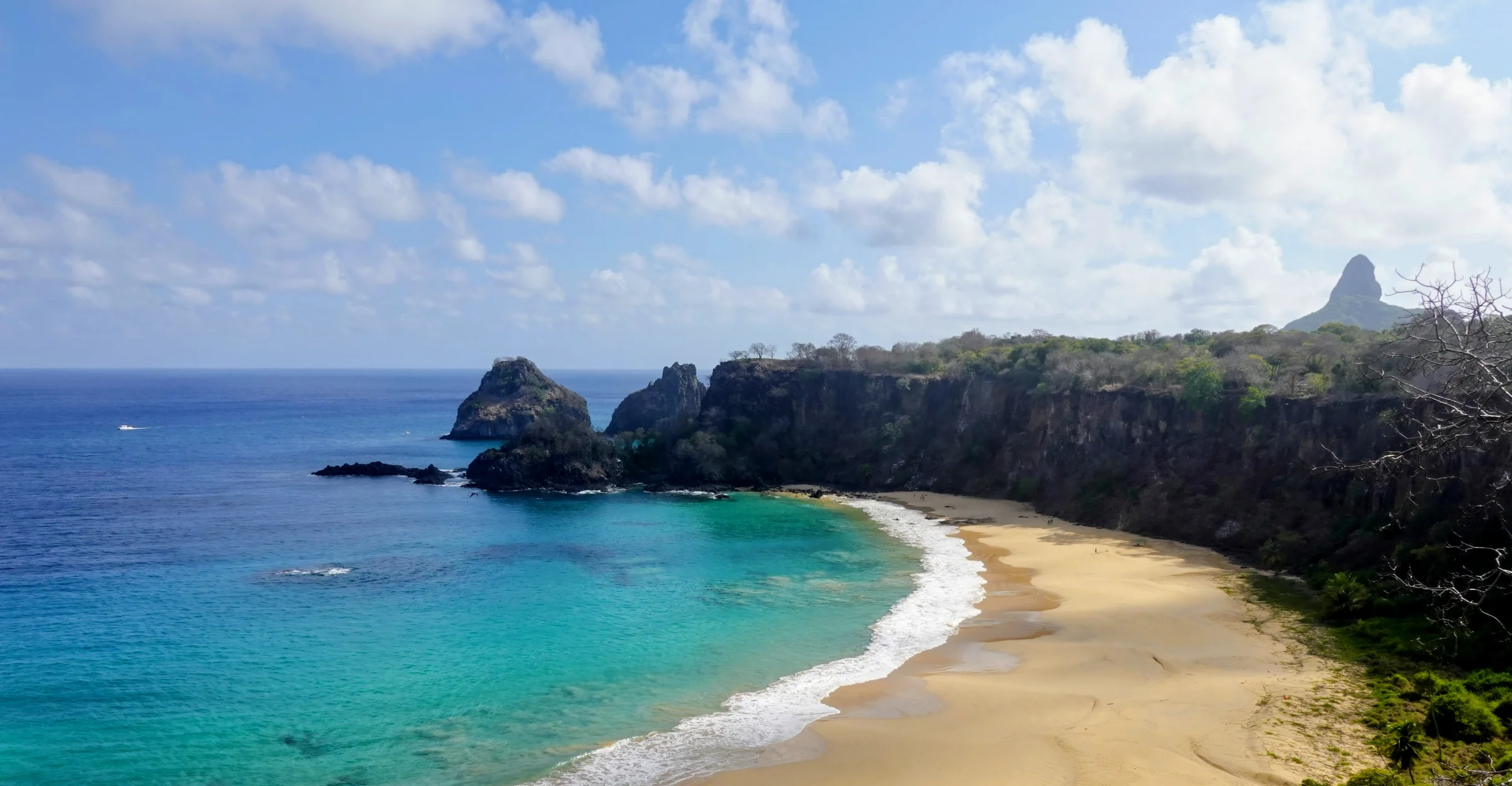
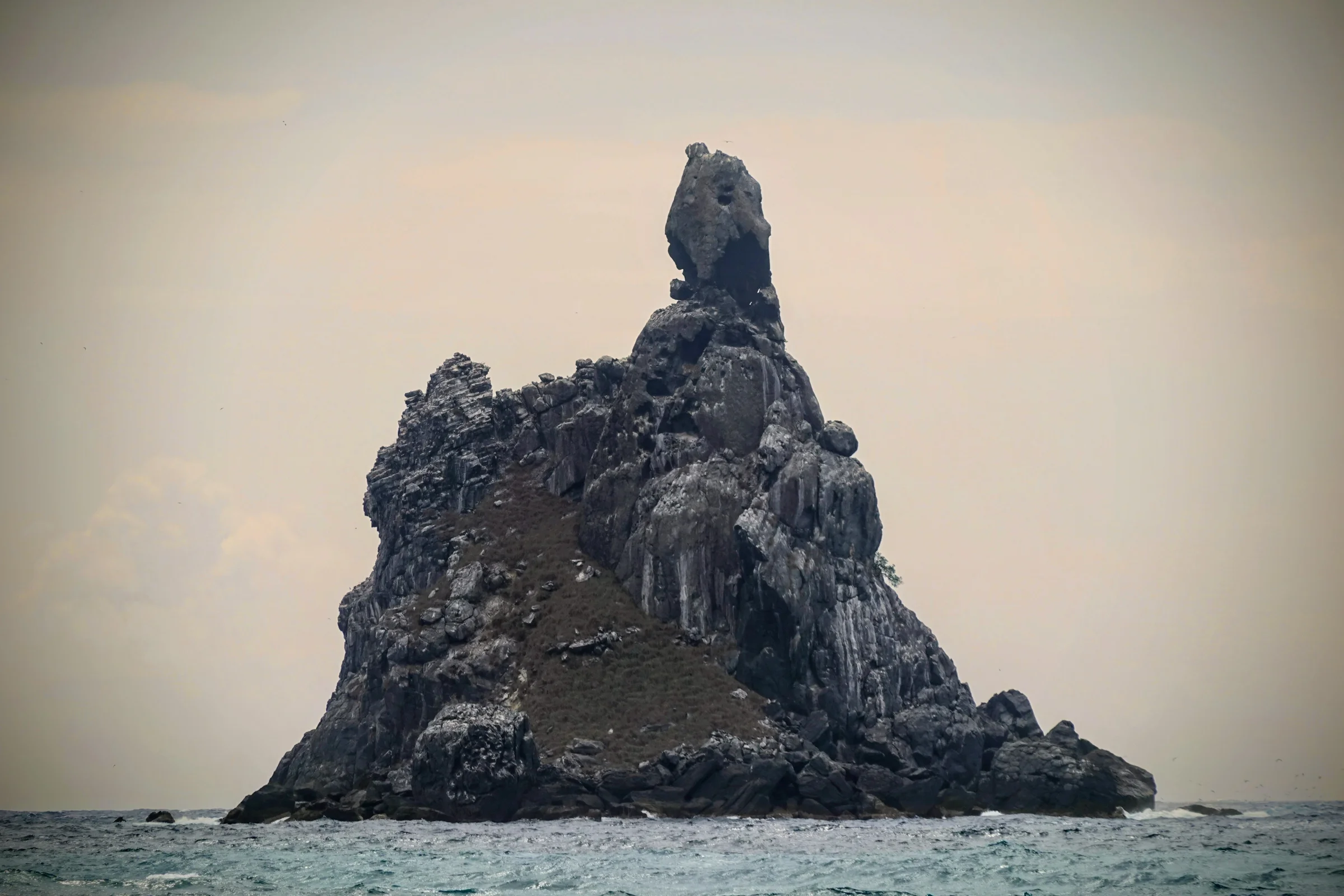
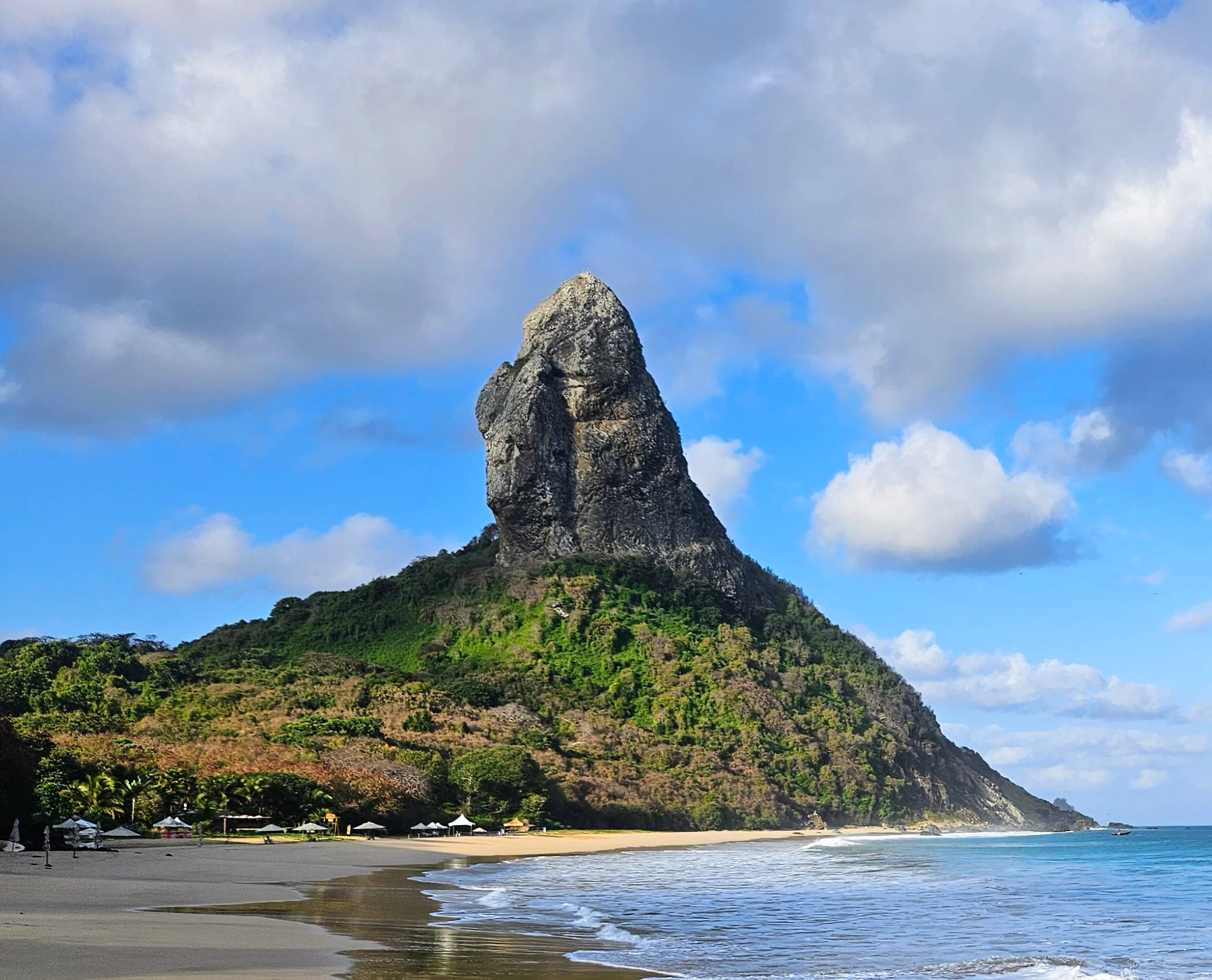
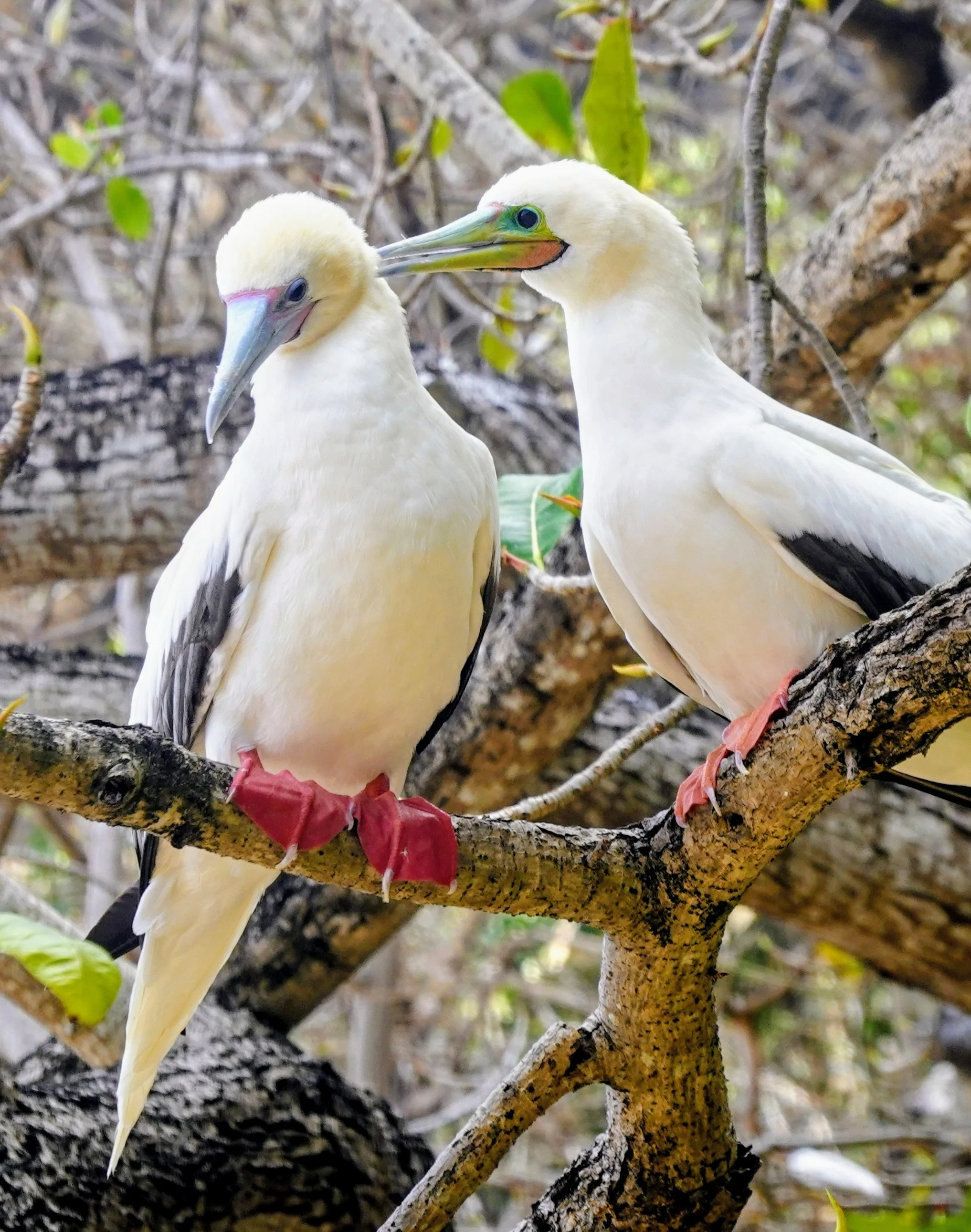
Our destination in Brazil was Fernando de Noronha, a small archipelago and marine national park about 350 km off the coast. I expected to stay a couple of days and move on, but I ended up staying a week.
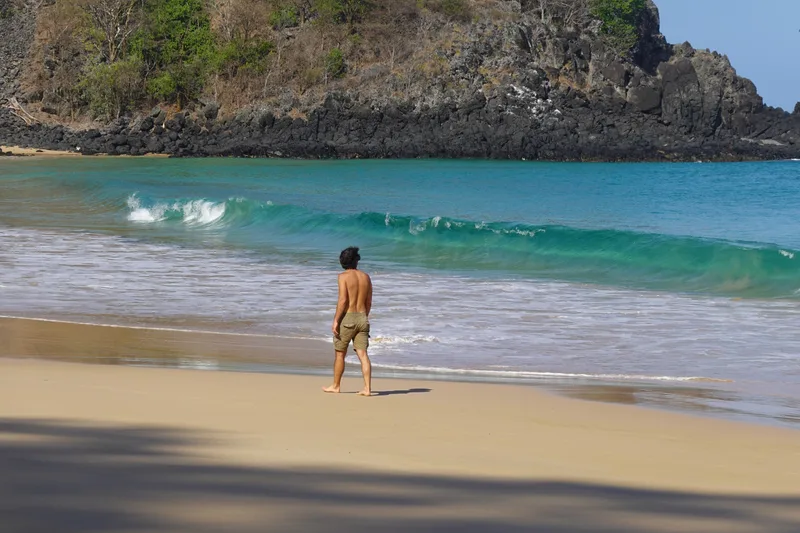
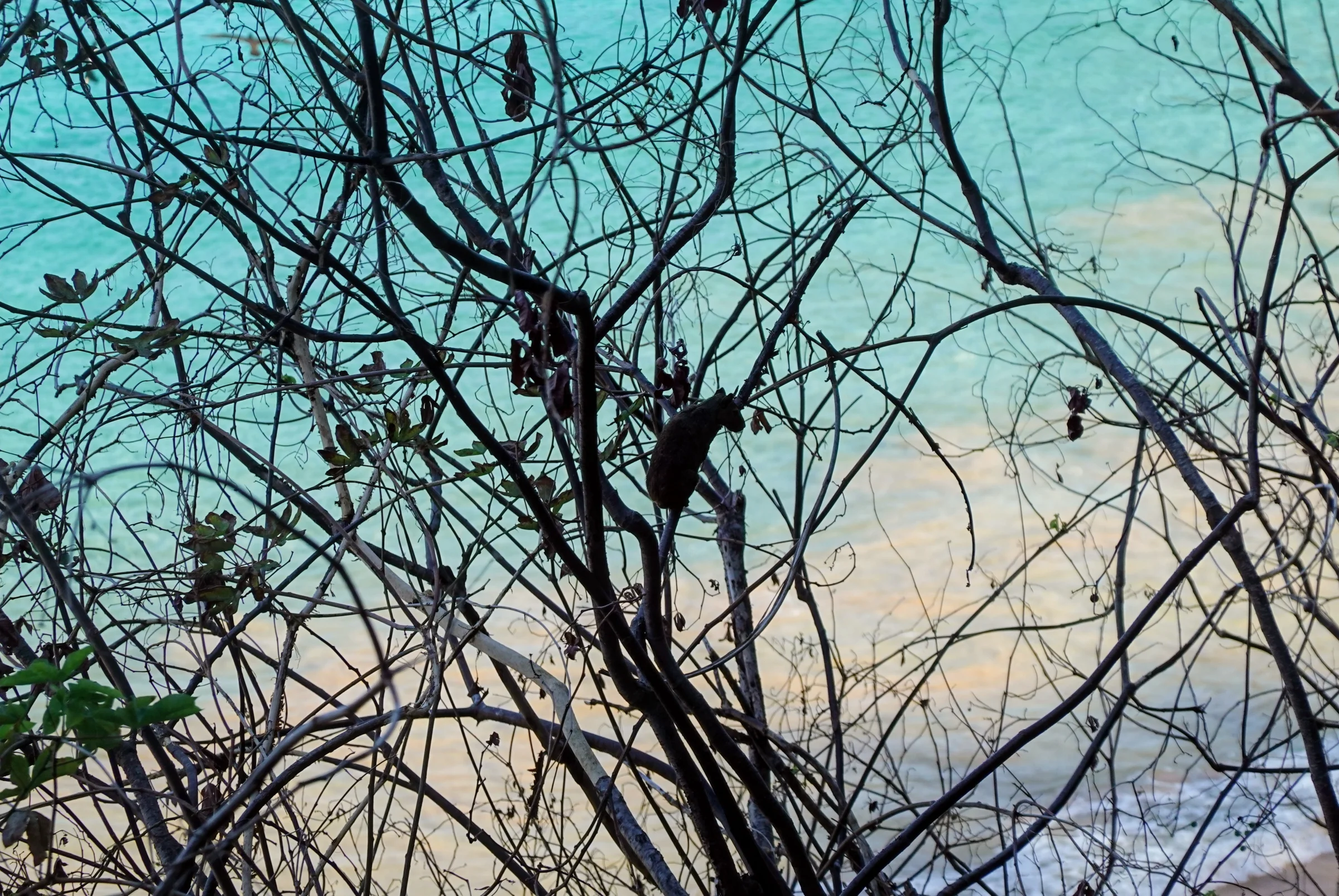
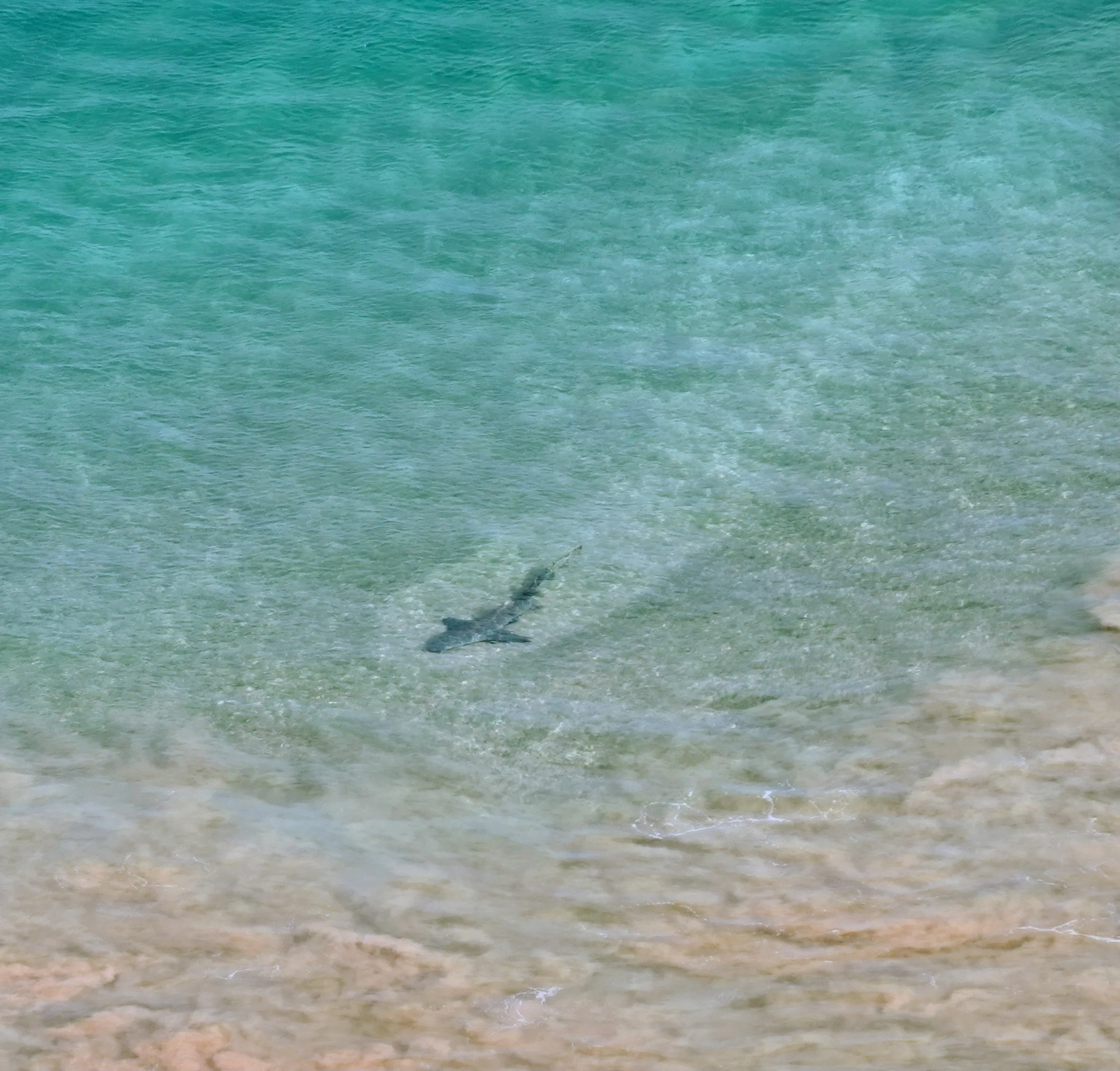
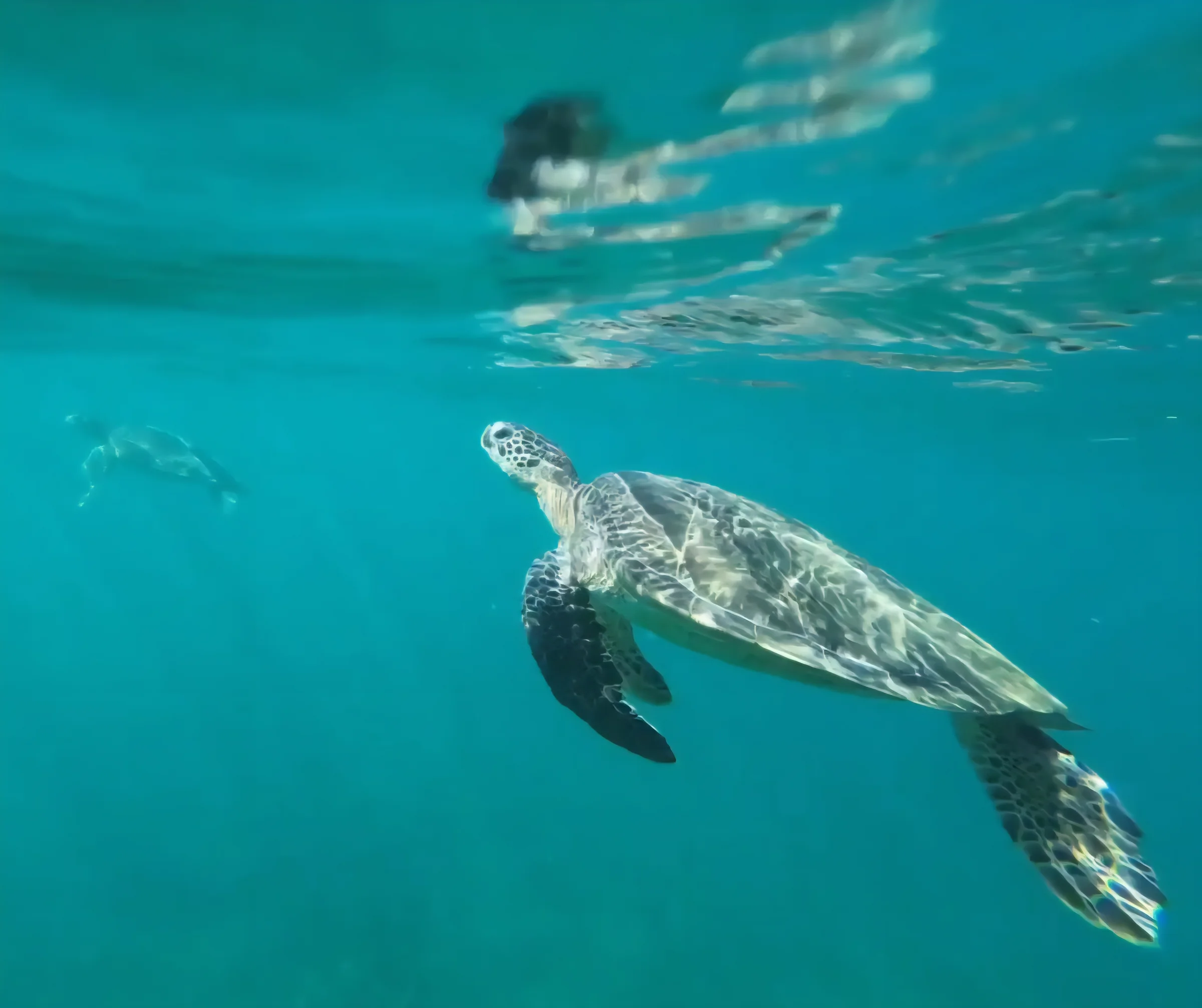
The emotional residue of five weeks at sea took a few days to clear, and the ship’s dynamics followed us onto land for a while. I snorkelled every day from fine-sand beaches, encountering sharks (scary-looking but harmless) and sea turtles. We went out dancing. We went skinny dipping at night. I had one-on-one time with people in a way that had been rare on the ship.
It was towards the end of the week, as passengers started flying home one by one, that I found my footing. By the time the last few of us remained, we were just people who had crossed the ocean together, and then we each returned to our own lives.