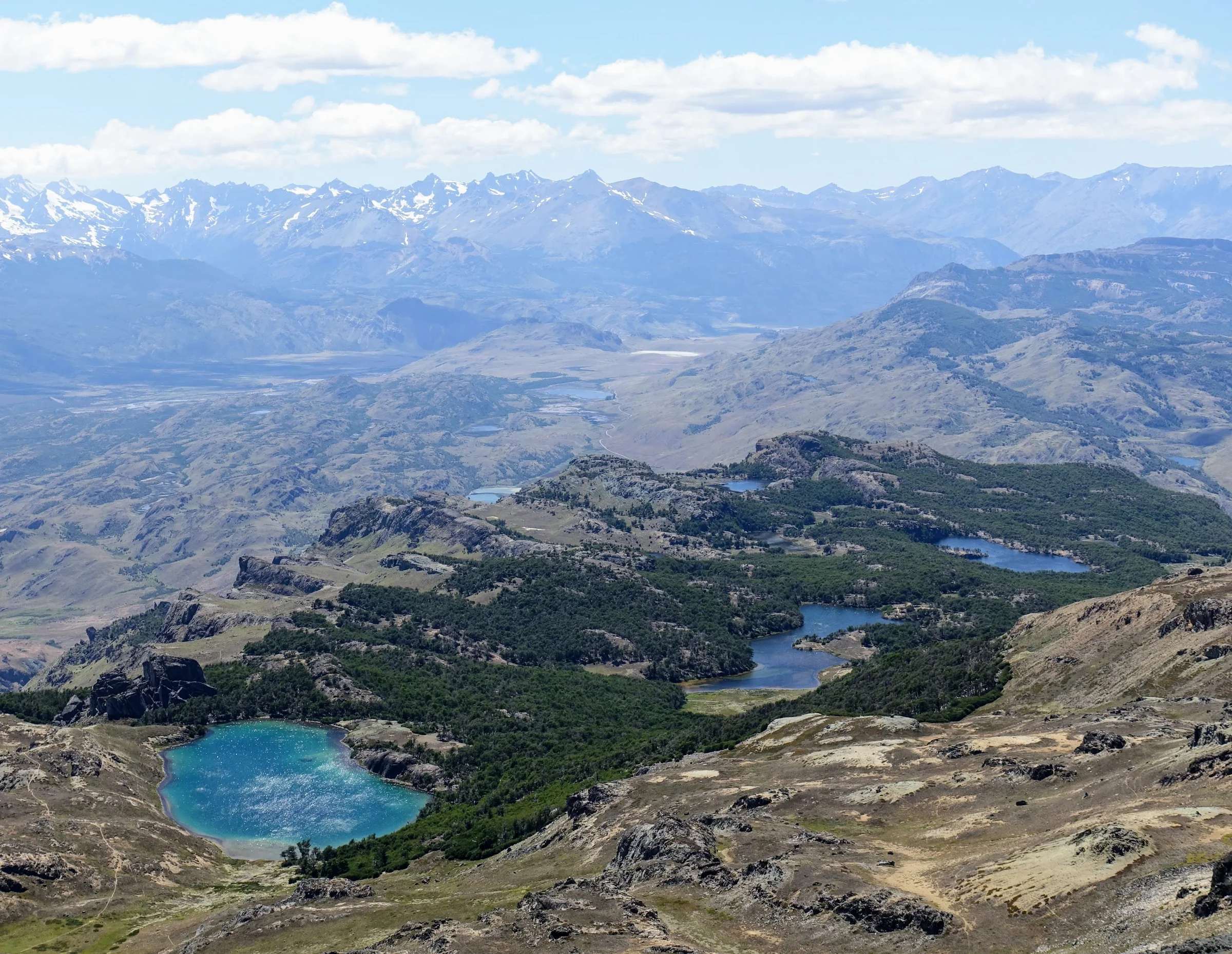
This was my first expedition. I spent nearly a year preparing obsessively for it whenever I had any free time. I was still not ready, but I didn’t know that yet when I landed in Coyhaique with a hundred-litre backpack full of gear, including a week of food and a packraft.
From the carretera austral to the wilderness
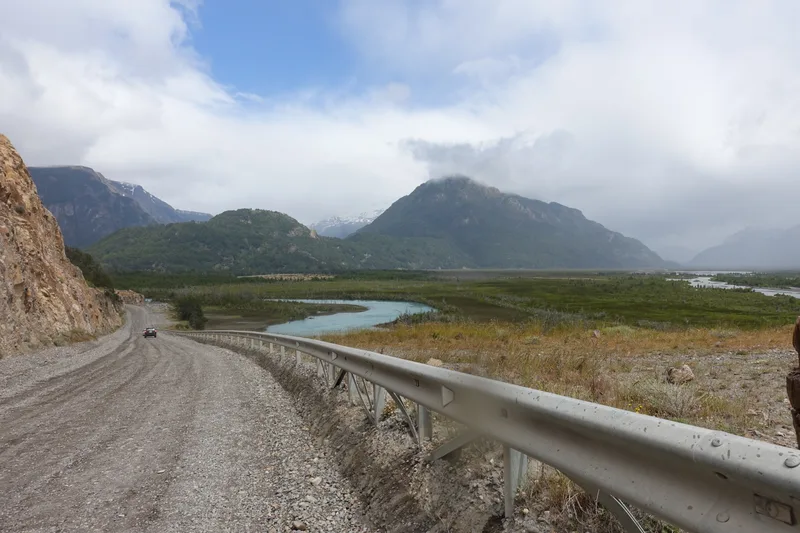
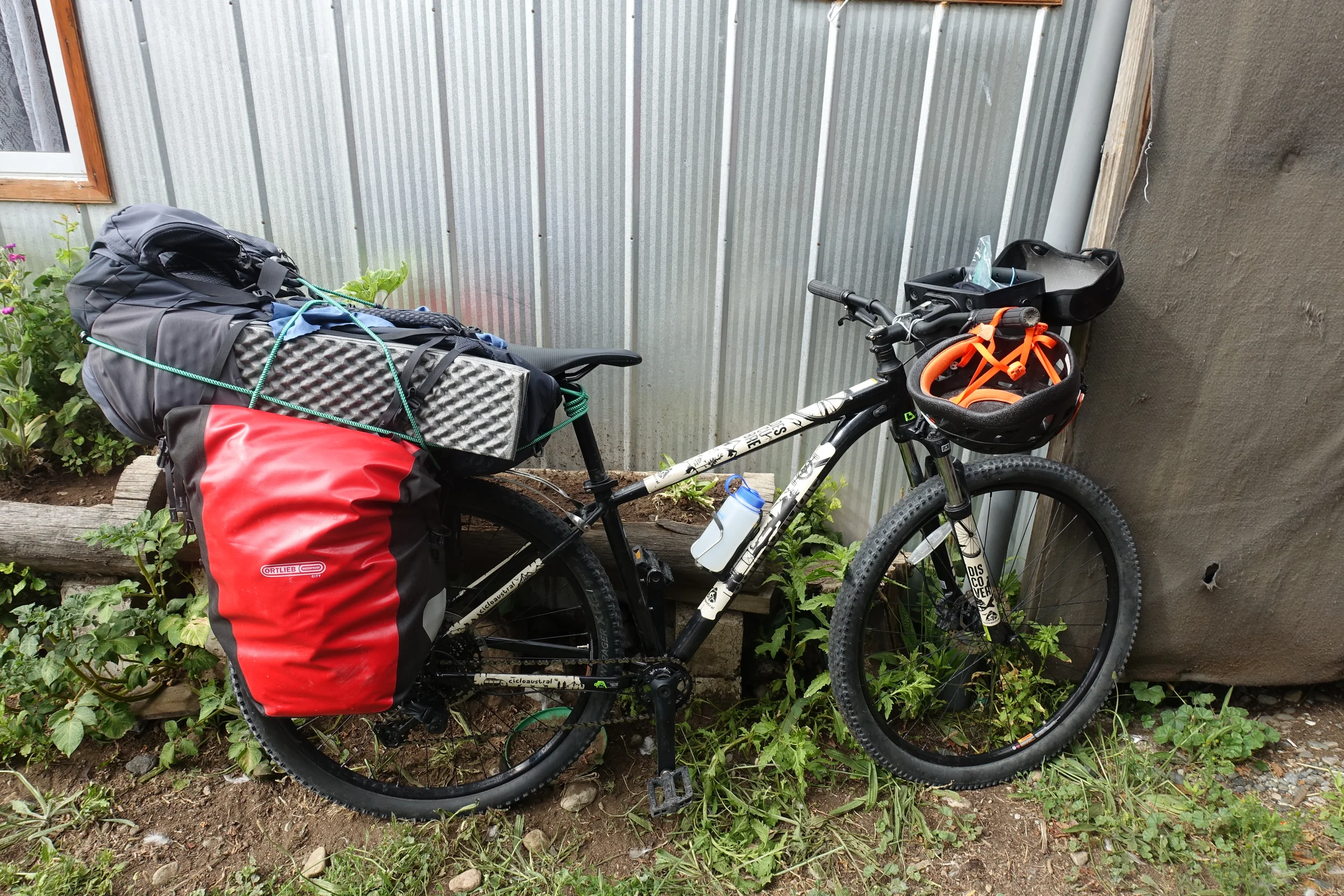
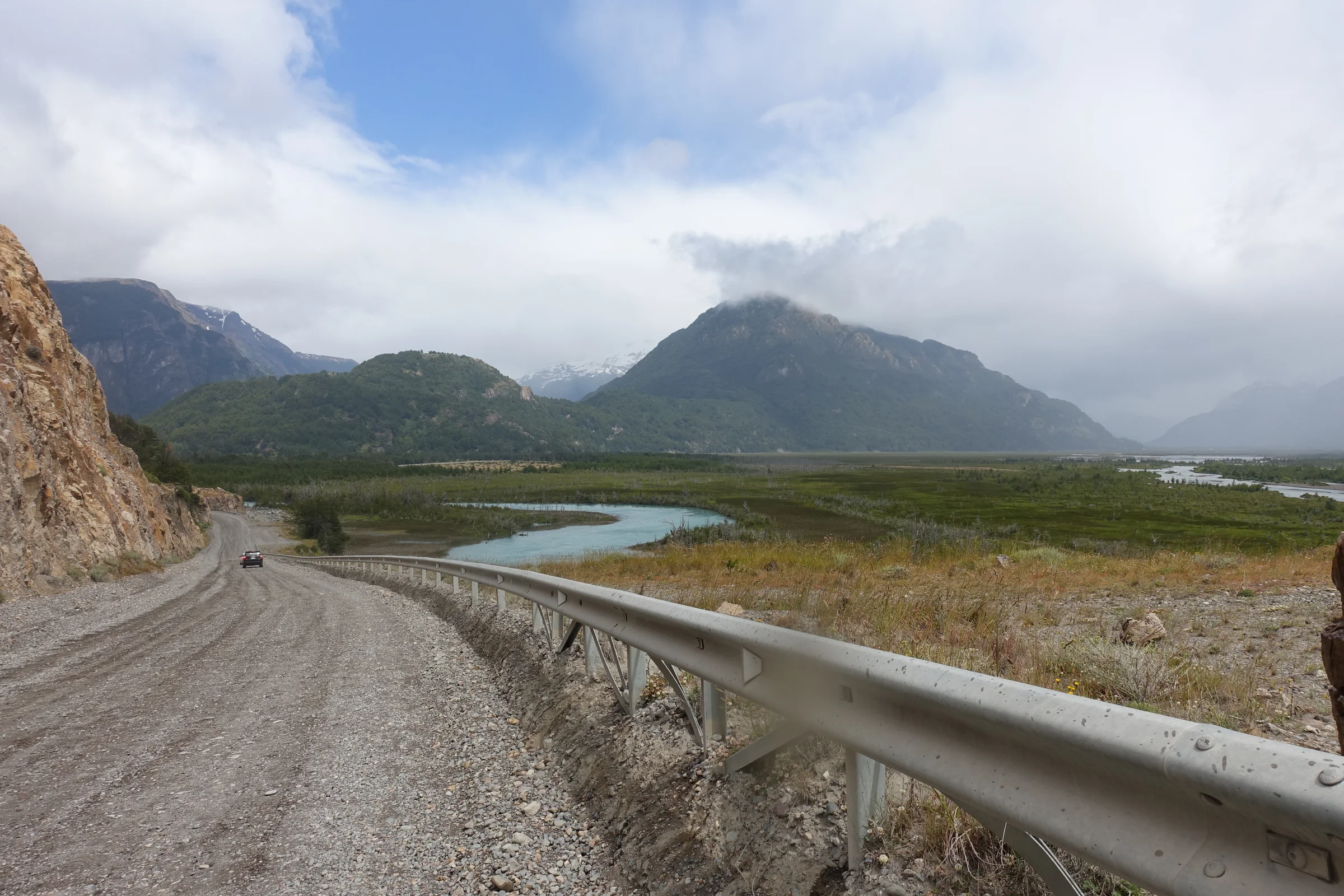
I picked up a rental bike and cycled to the trailhead over three days. The carretera austral is, in this stretch, a bumpy dirt road: my luggage rack broke twice under the weight of the gear.
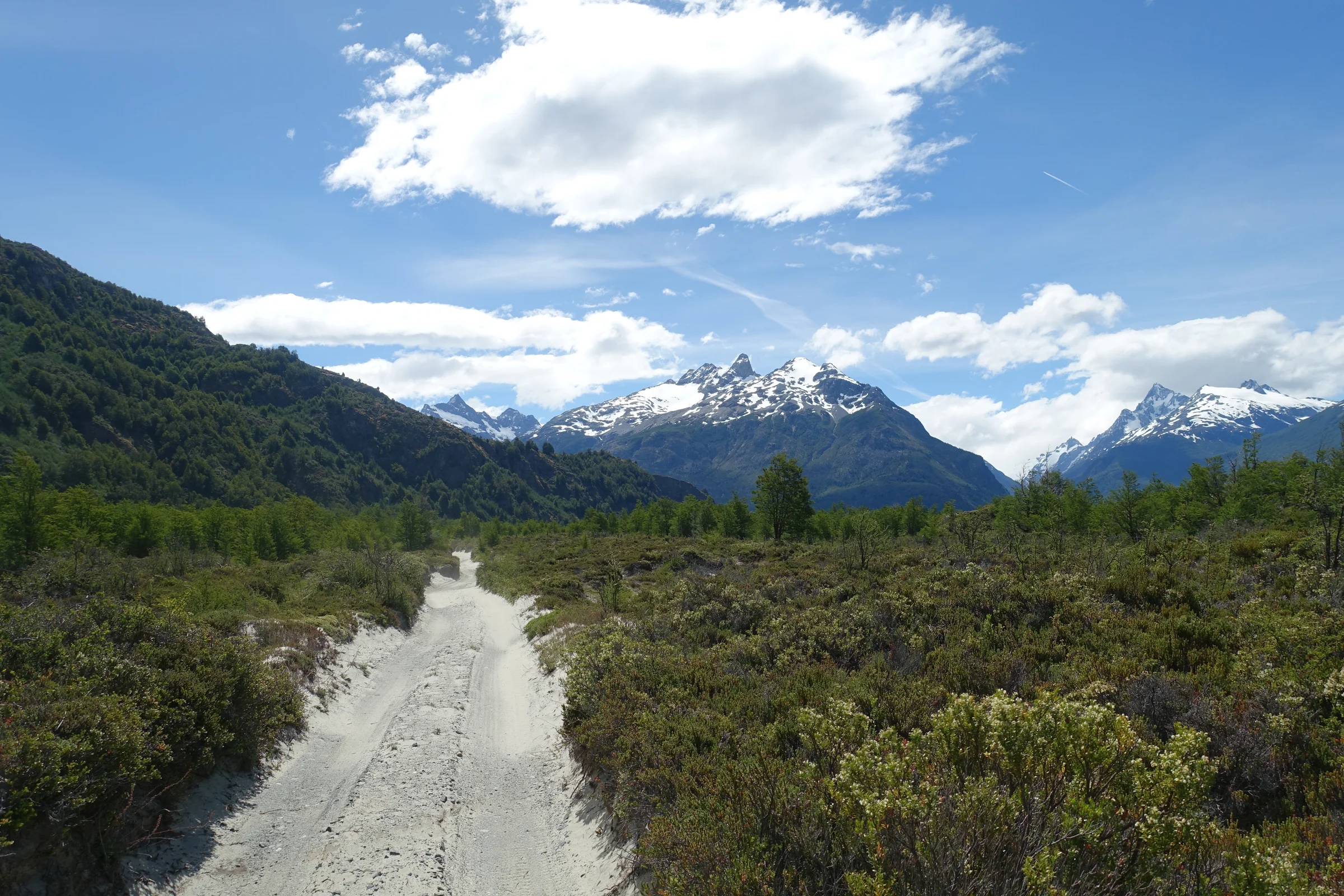
Eventually I left the carretera for an even worse 4x4 track, and the traffic stopped. Then it became a single-track. The next day, it was no longer possible to get the bike through. I left it by the path in the forest and loaded the gear and food on my back.
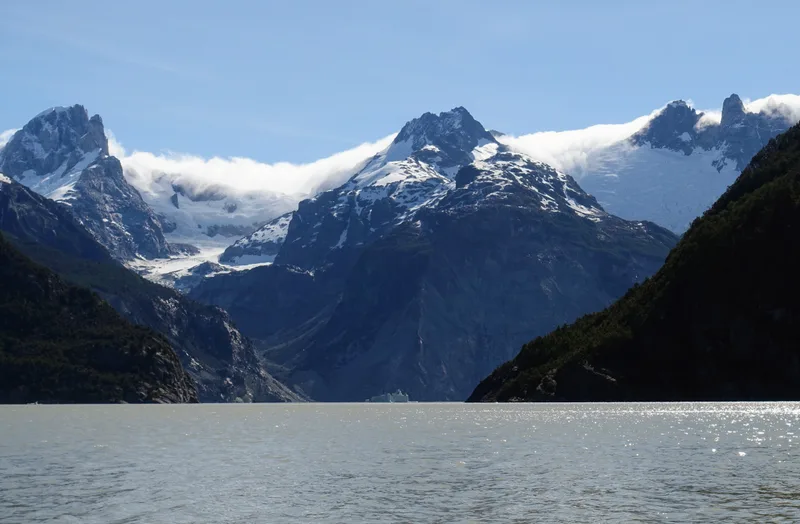
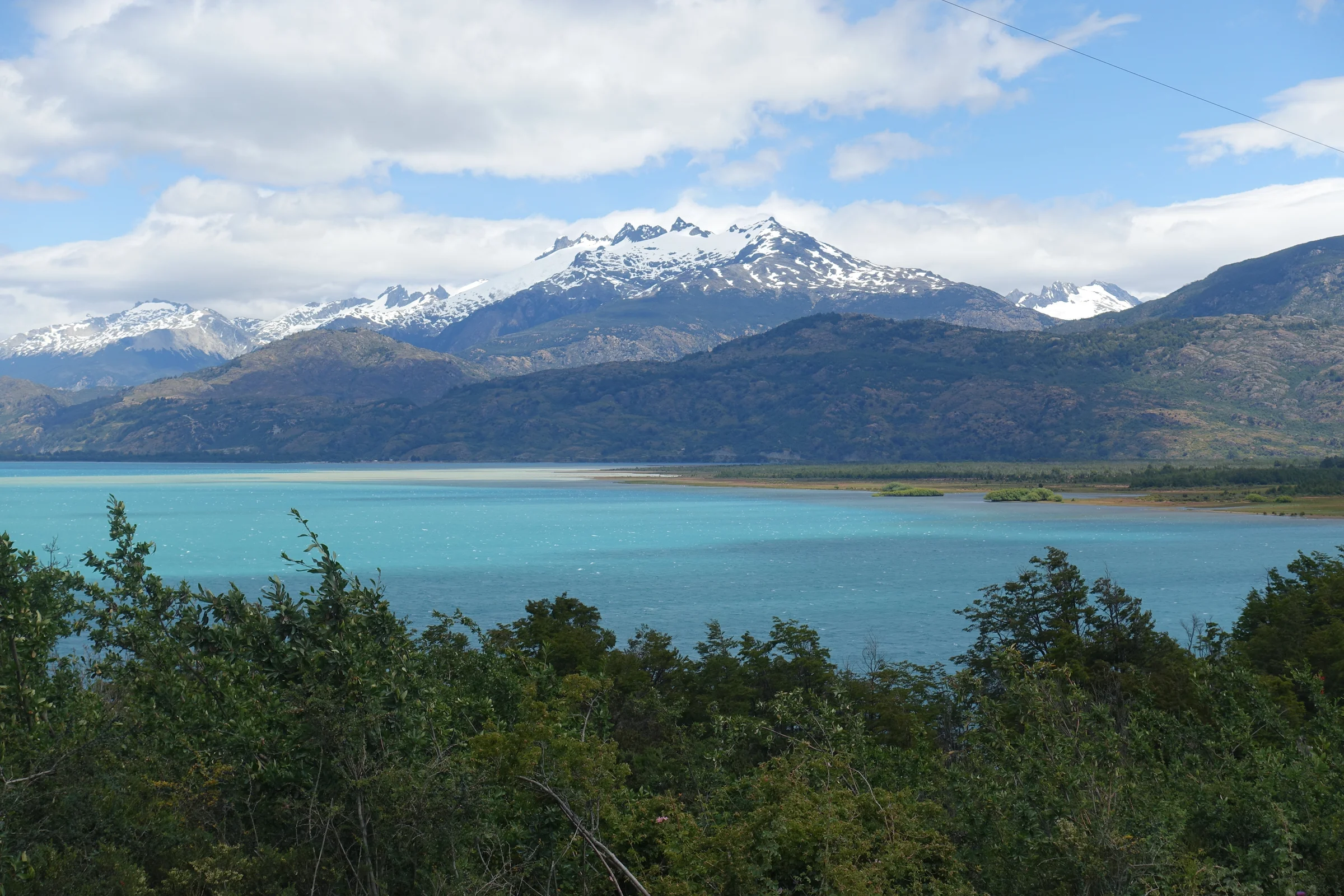
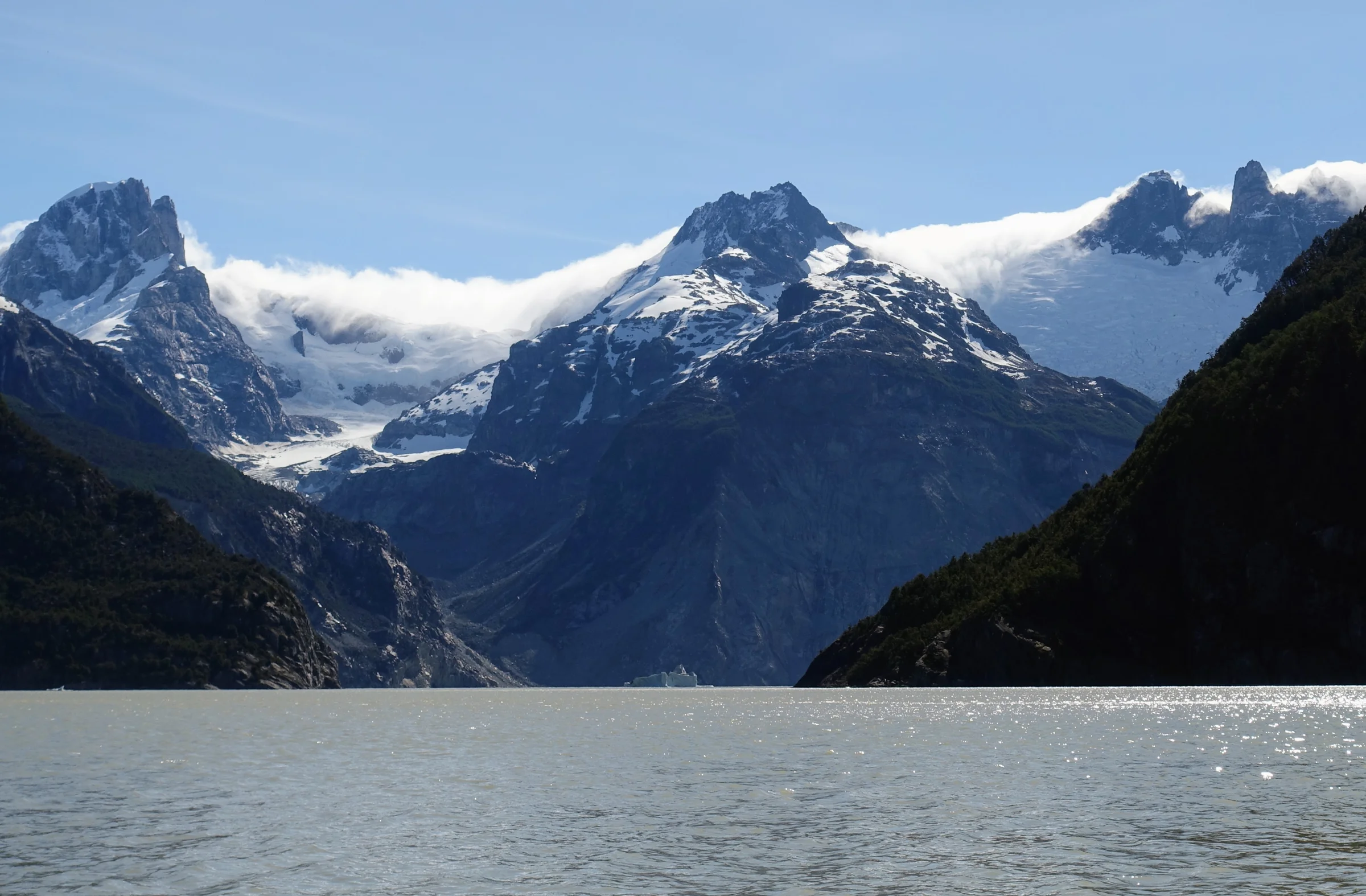
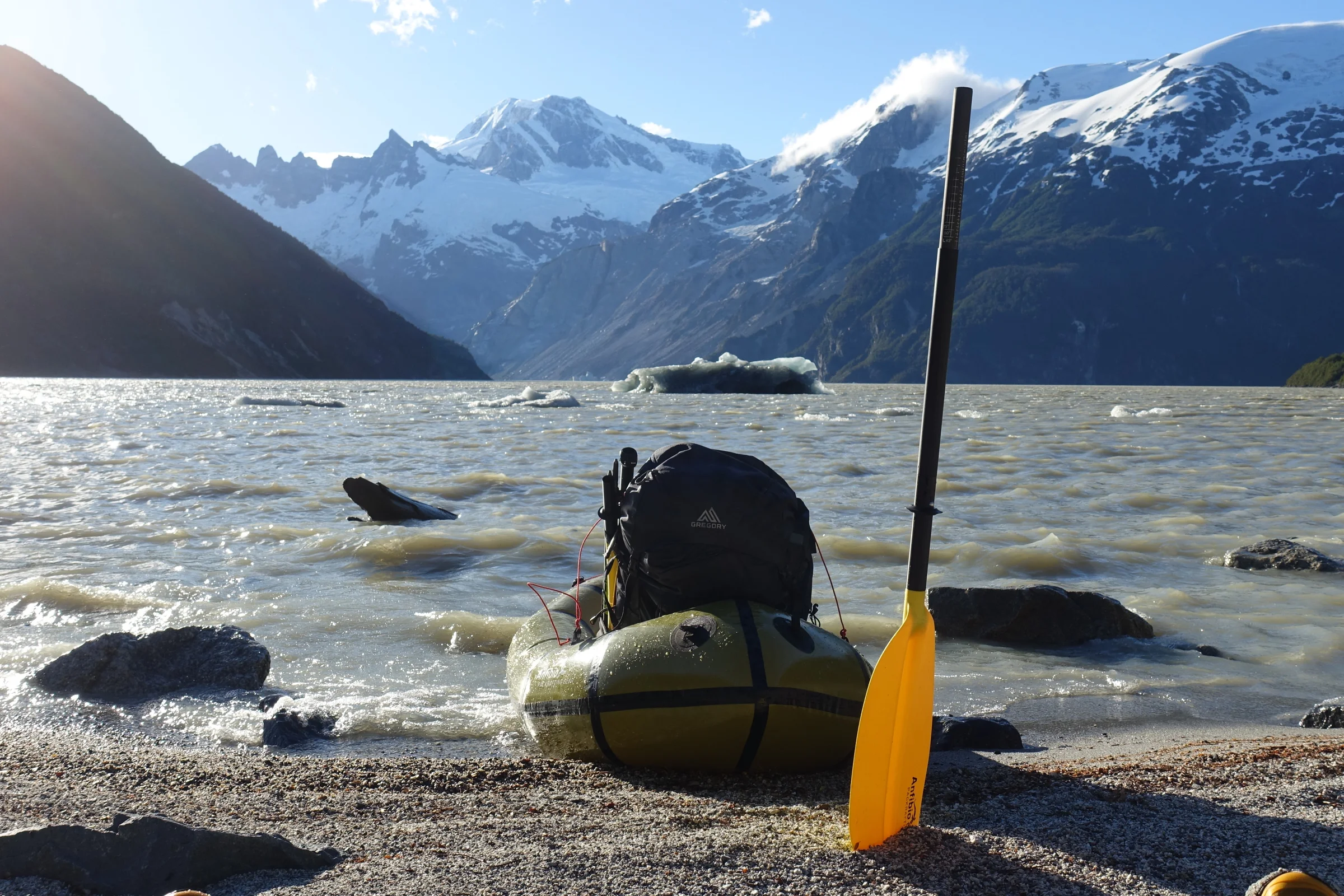
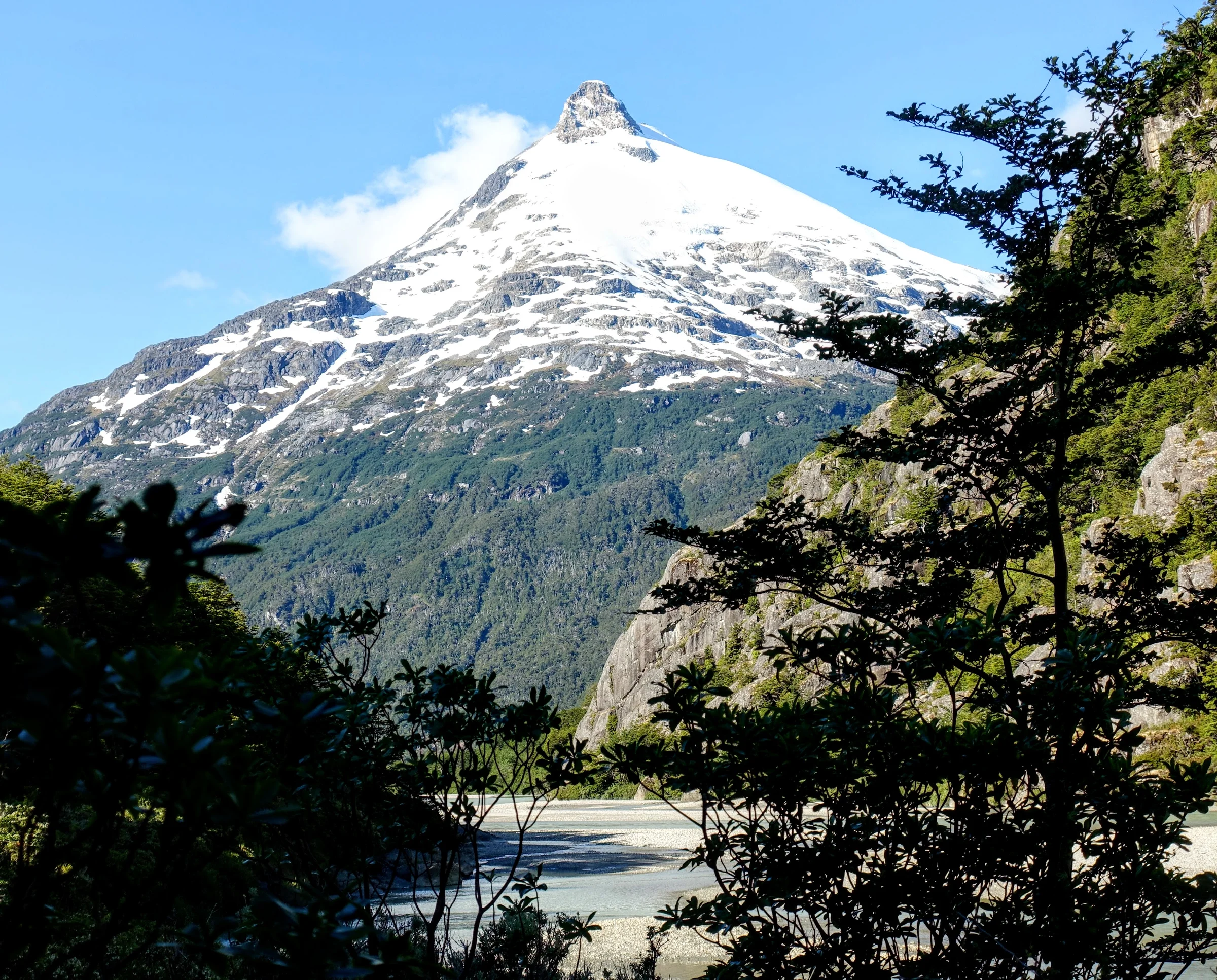
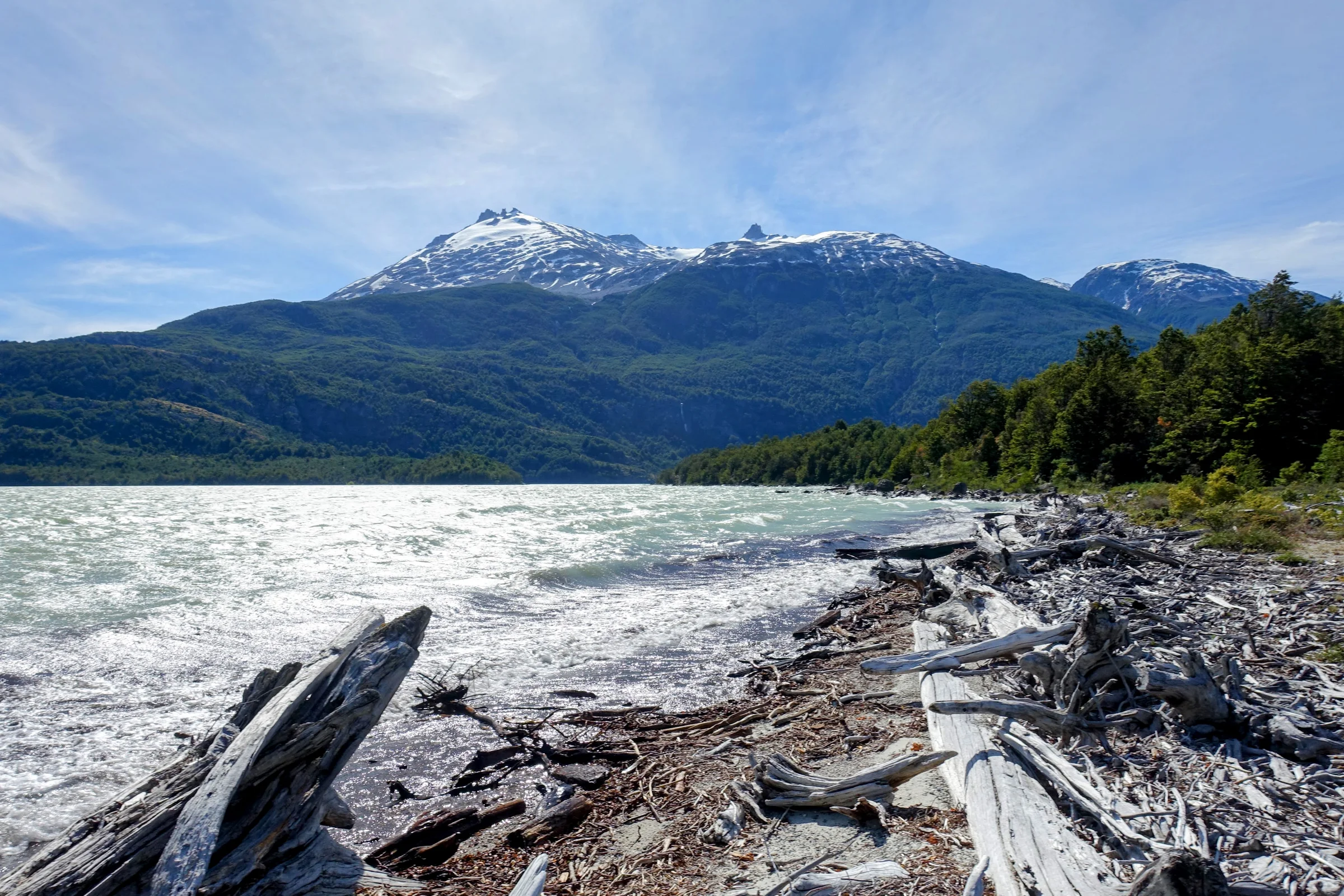
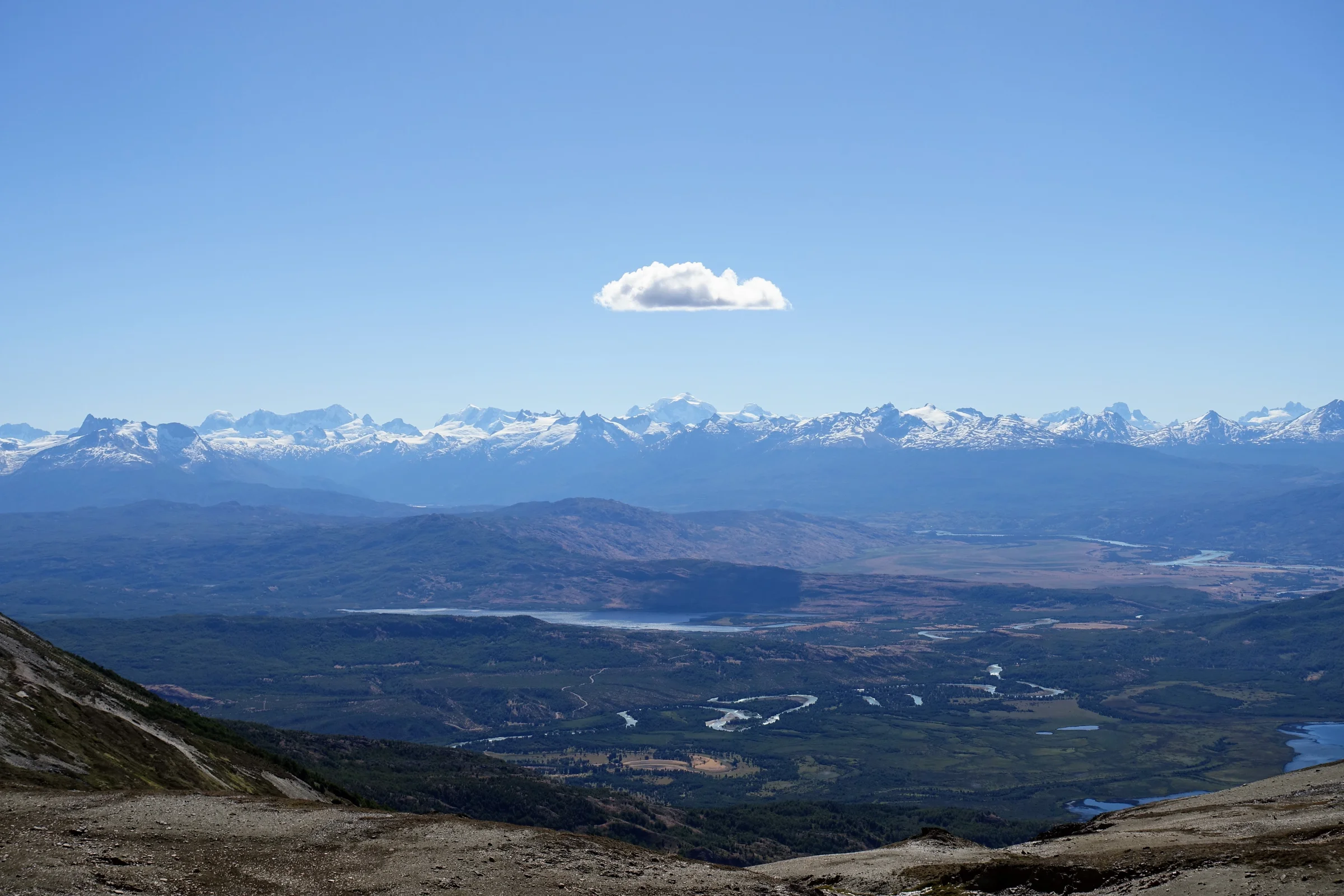
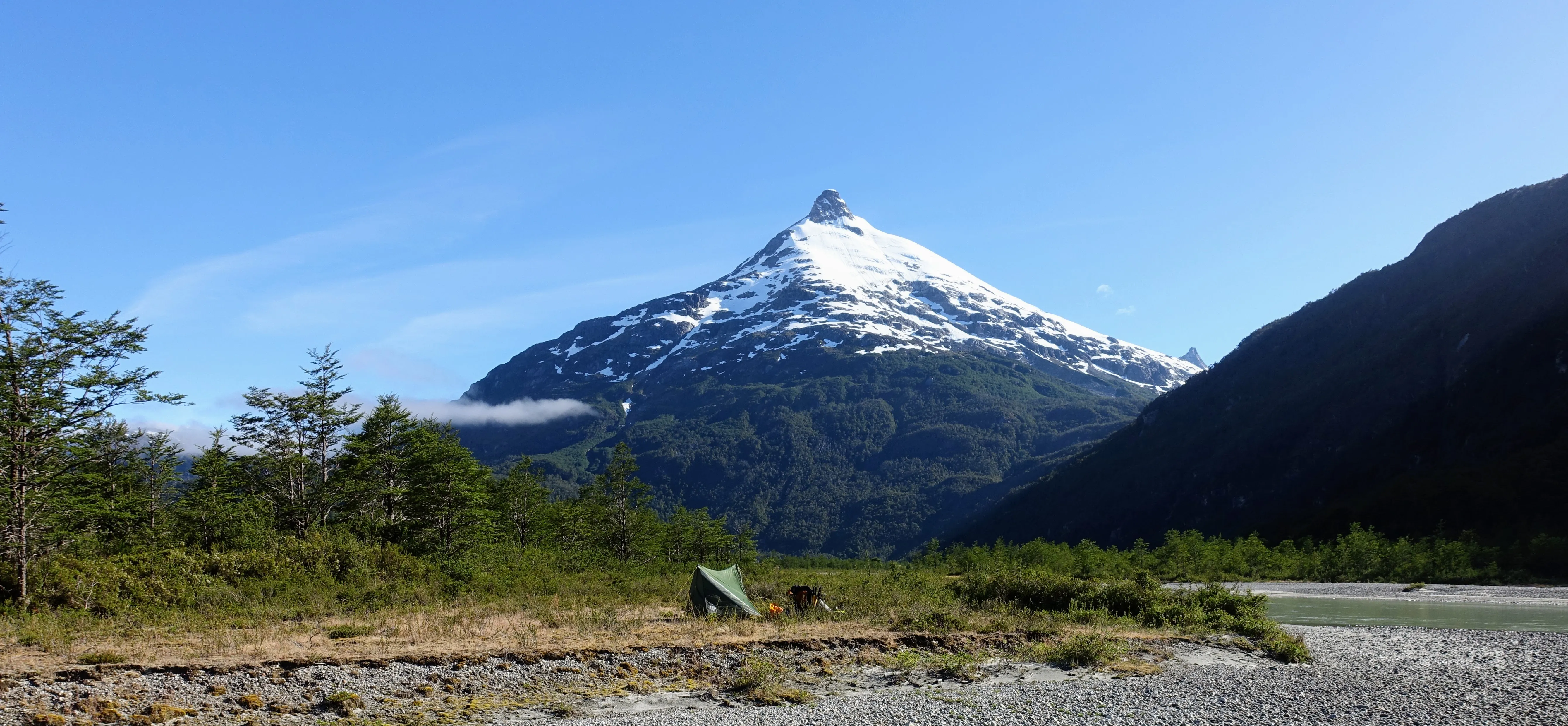
Another day later, I arrived at a glacial lake to find a headwind blowing toward the exit rapids. I waited on the shore for several hours, but the wind didn’t drop. I set off anyway. Progress was slow, metre by metre when the wind relented, backwards when the gusts came. At one point I pulled out to bail the water out of the raft. Partway across, a large boulder offered a pocket of calm. It was the one moment I could rest and look west. There was a huge iceberg in the distance shaped like a castle, and, beyond it, the mountain wall of the northern ice field, white clouds flowing down from the top like a slow avalanche.
Beyond the lake there was no path.
Patagonian jungle
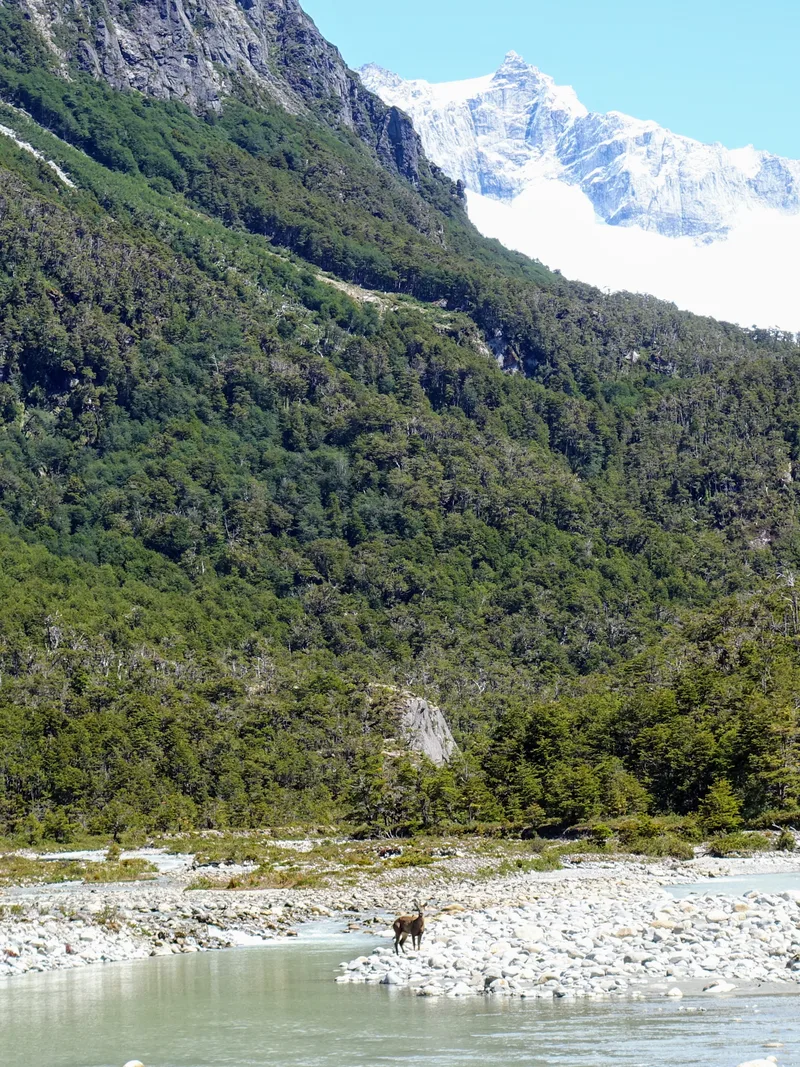
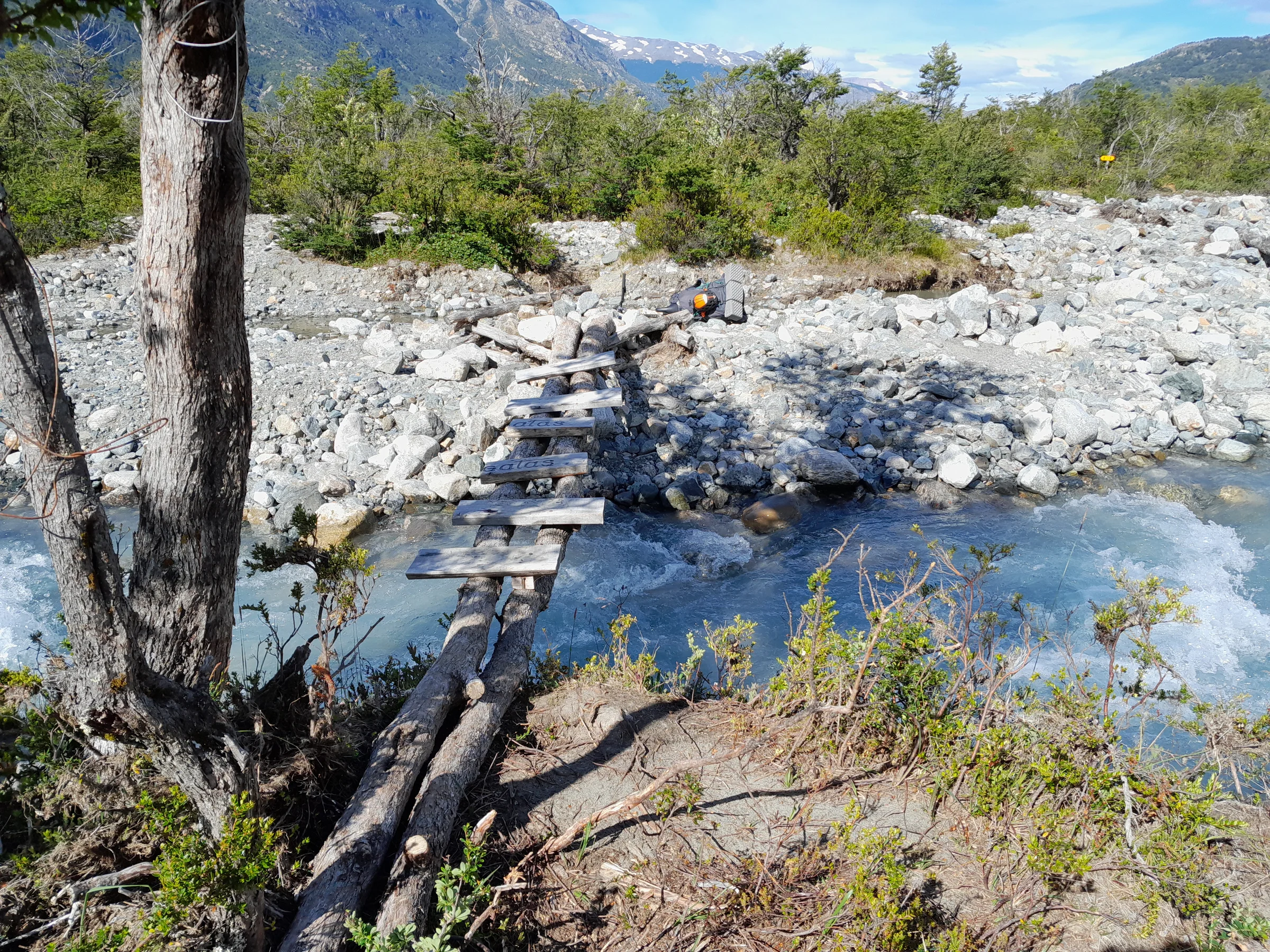
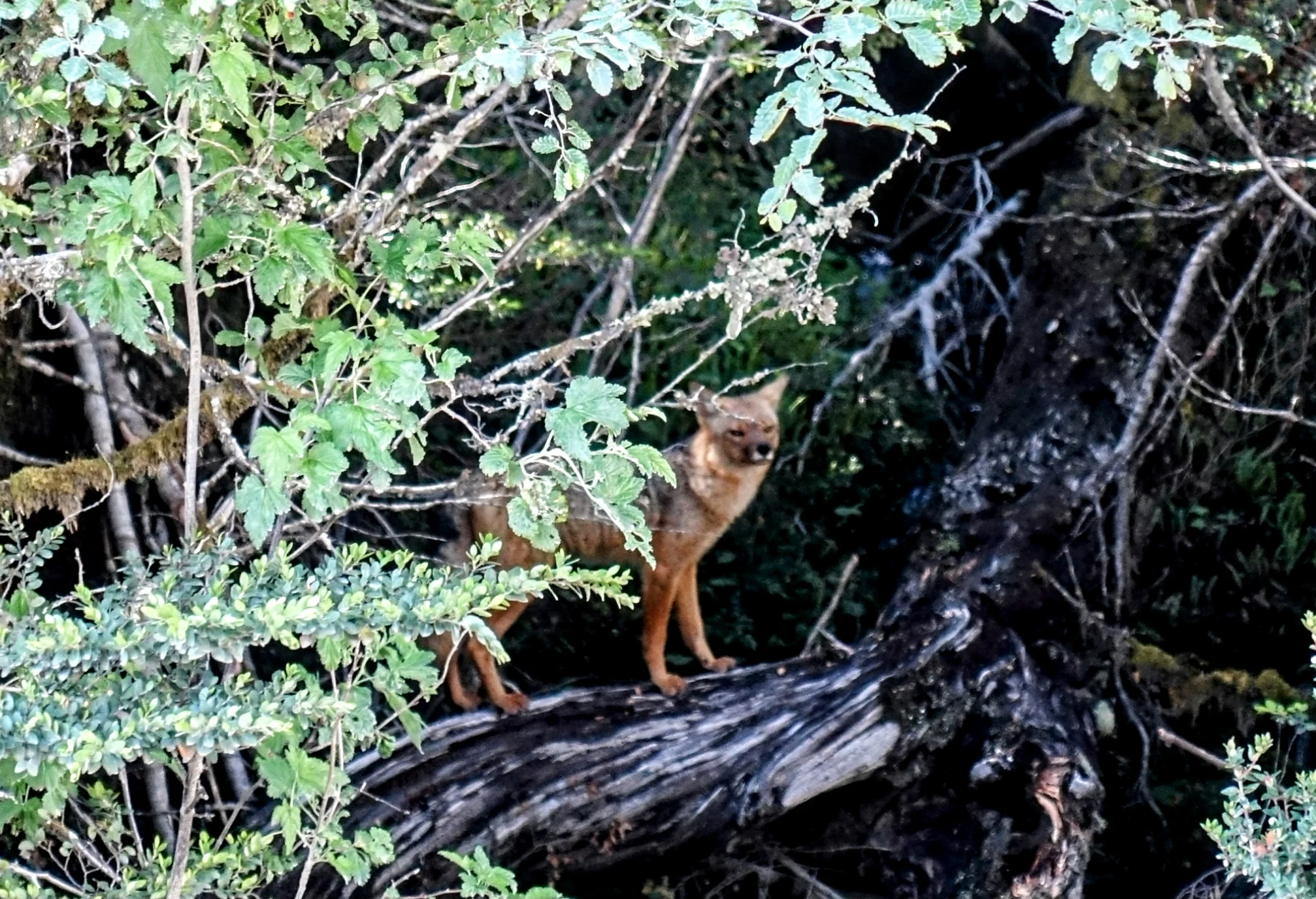
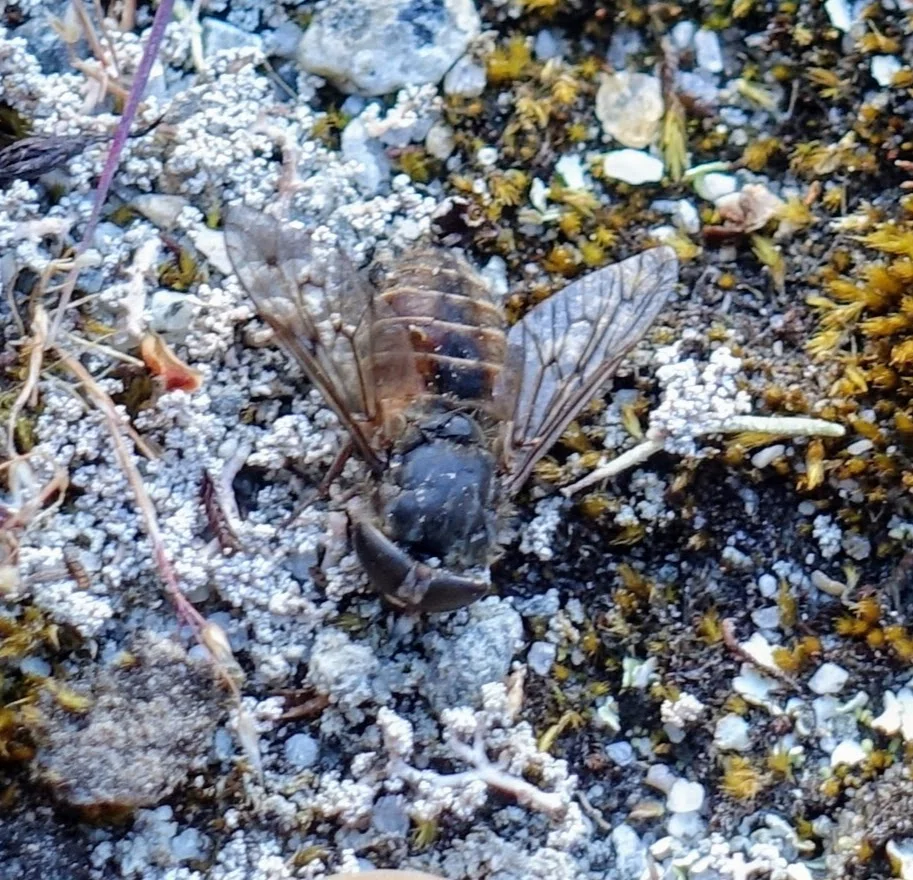
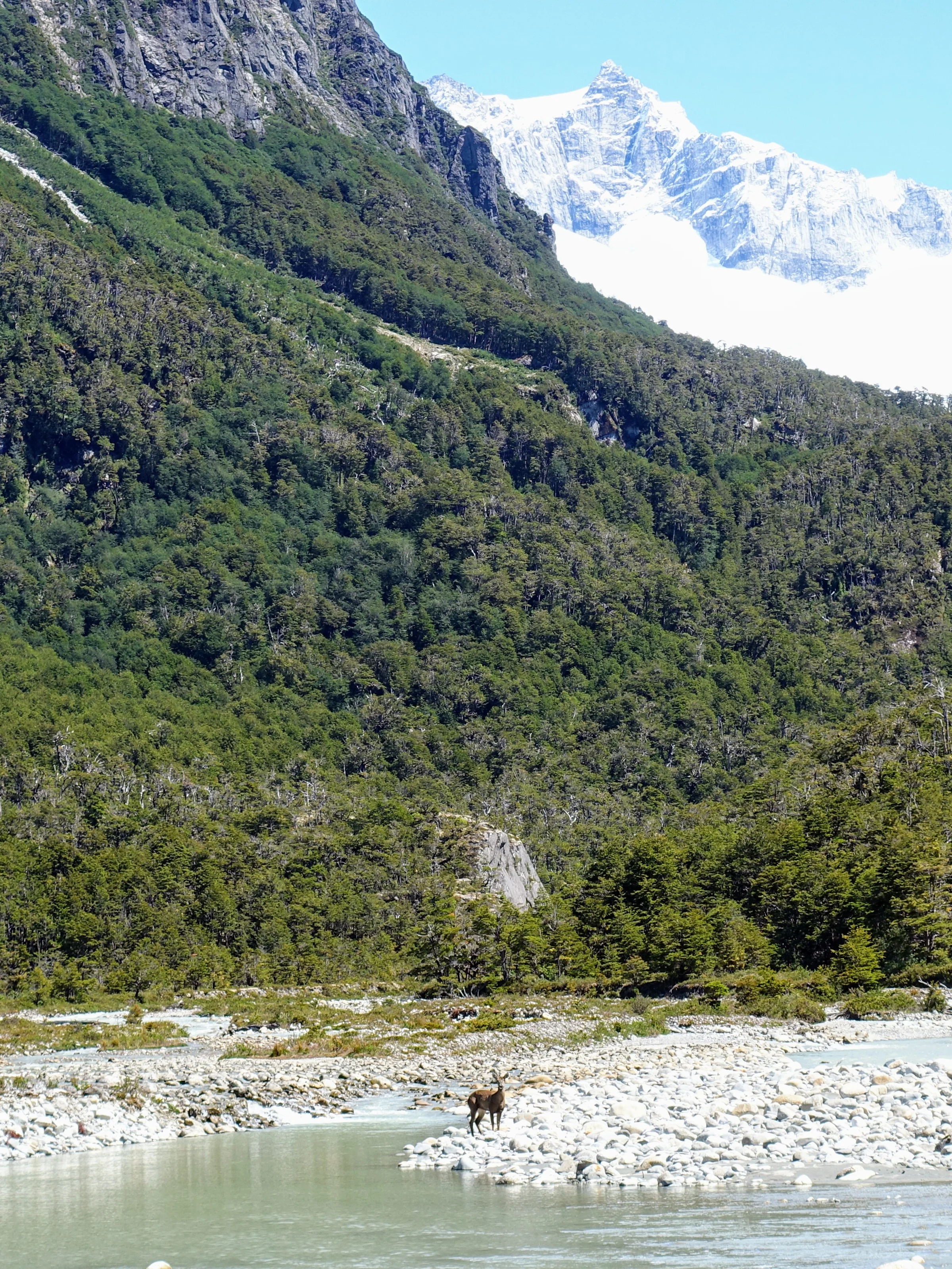
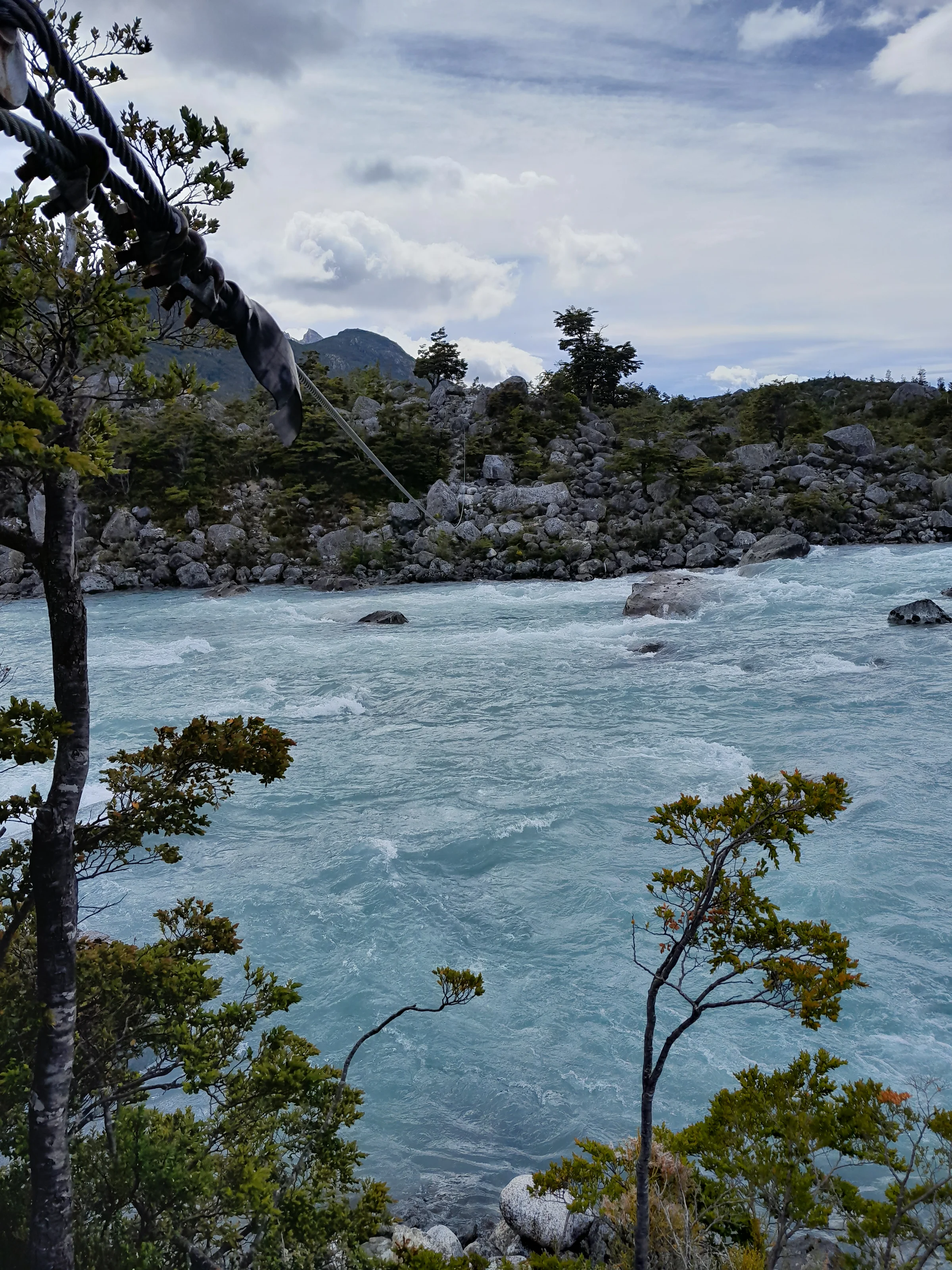
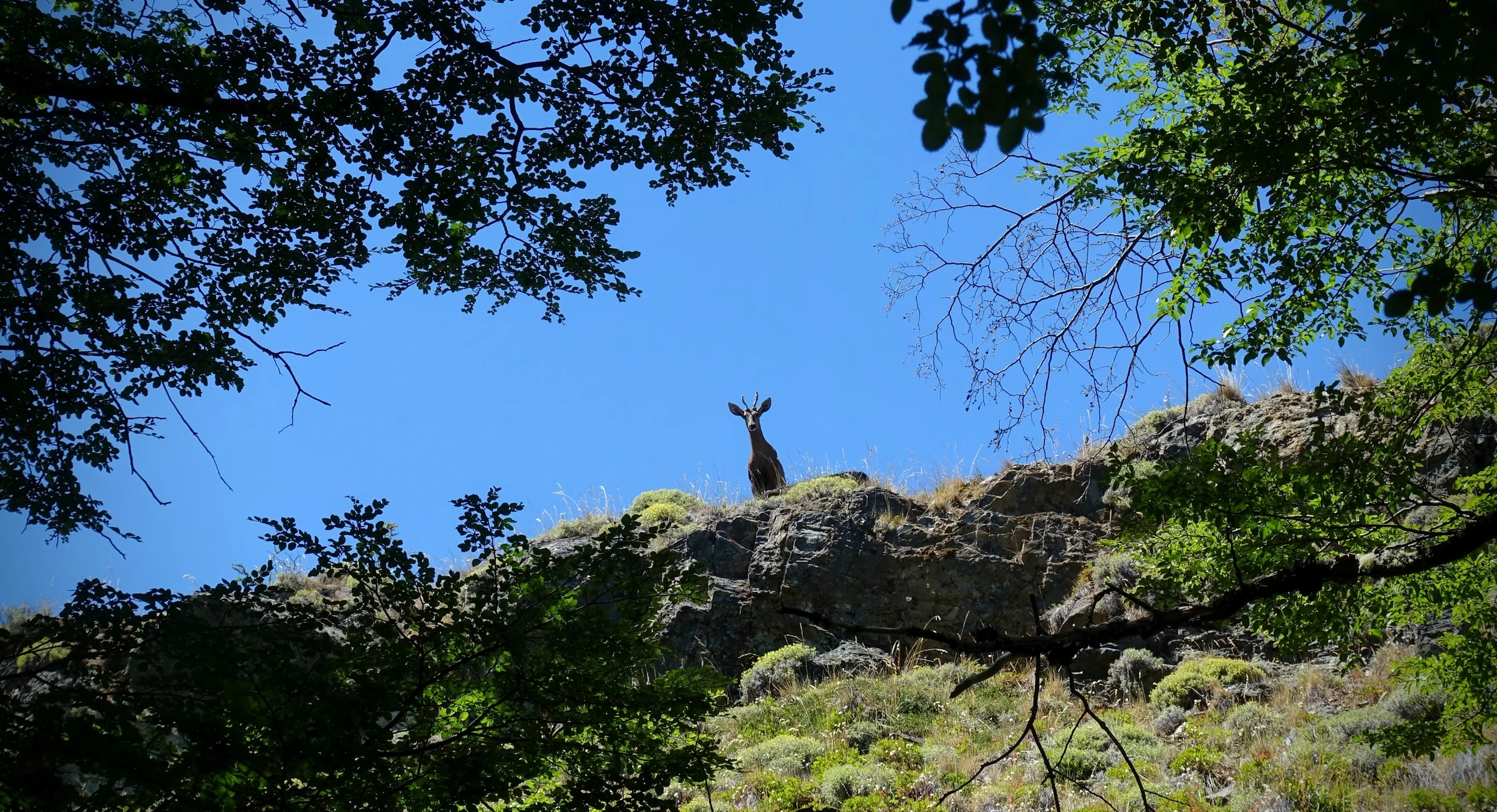
I walked up the river, using the raft to switch banks several times to avoid bushwhacking: Patagonian shrubs are tough and spiky. I encountered a rare huemul deer, a moment of wonder. I also encountered dozens of horseflies who harassed me relentlessly, biting me so much that I struggled to fall asleep from the itching.
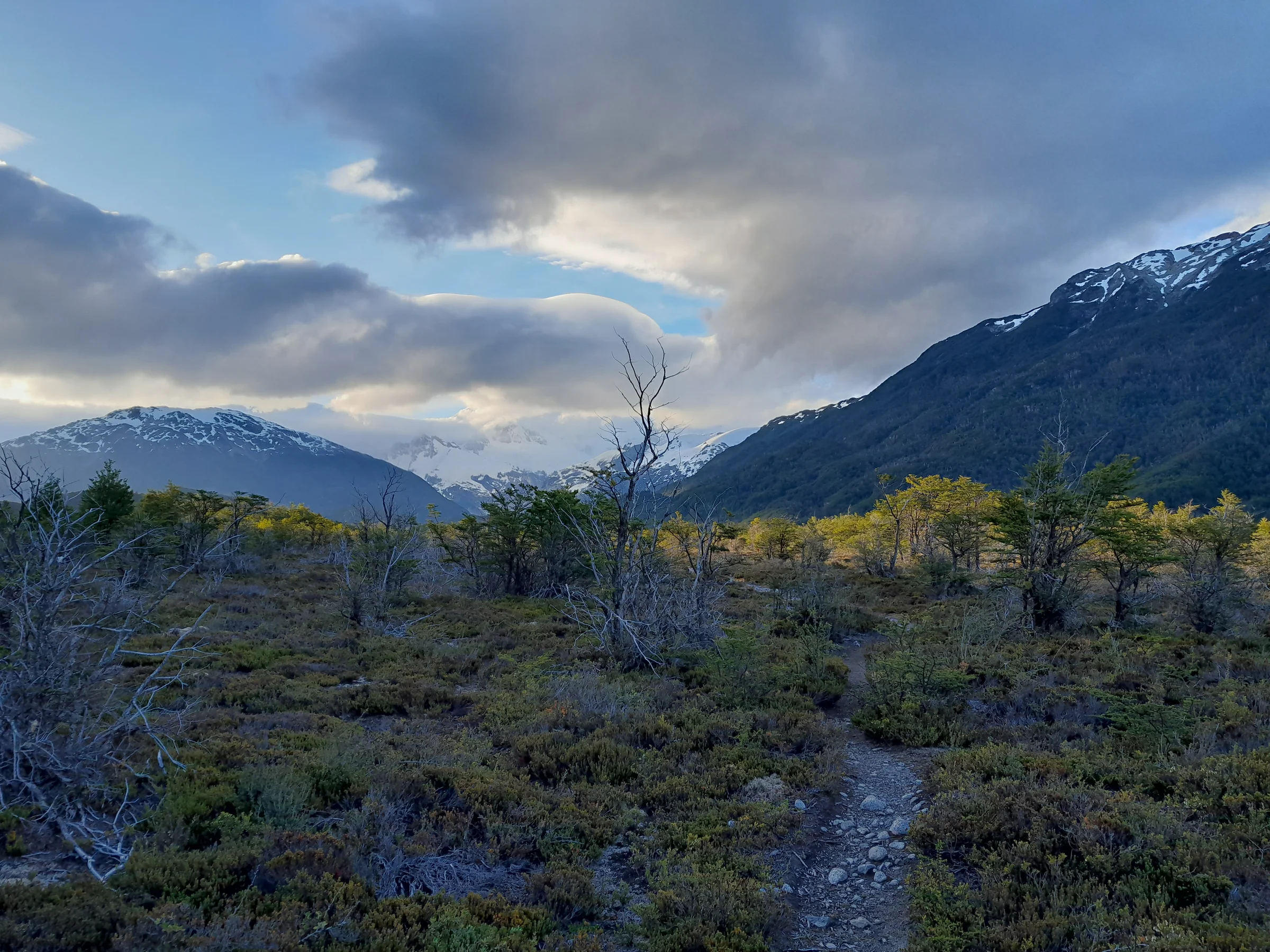
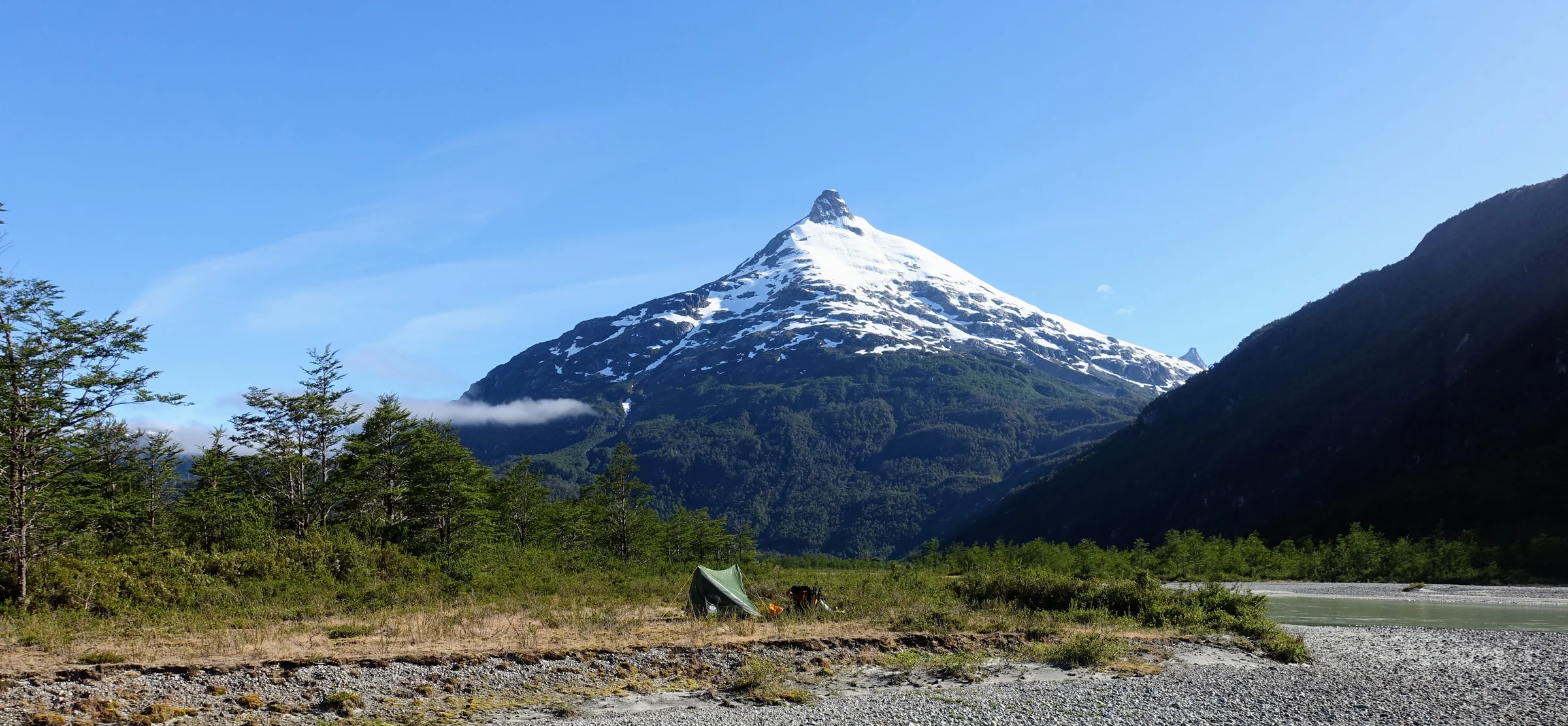
I entered the forest hoping to circle the mountain at the center of the valley and scale it from its easiest side. Progression was slow and brutal. I had imagined sparse undergrowth; instead I was constantly fighting thorns, low branches, rotten trunks, and swamps wherever the terrain flattened out… The horseflies did not abate.
In the night in the forest, listening to serac falls from up above, in the dark of my tent, I was anxious. But no matter how I looked at it, I kept coming to the same conclusion: I was right to be scared. If I so much as twisted an ankle, I’d have to crawl my way back to the glacial lake. The forest was so dense, my pack so heavy (even after caching the raft and some food) that I was occasionally tripping or sliding. A single slip could be dramatic… See the video.
I turned around.
Downriver
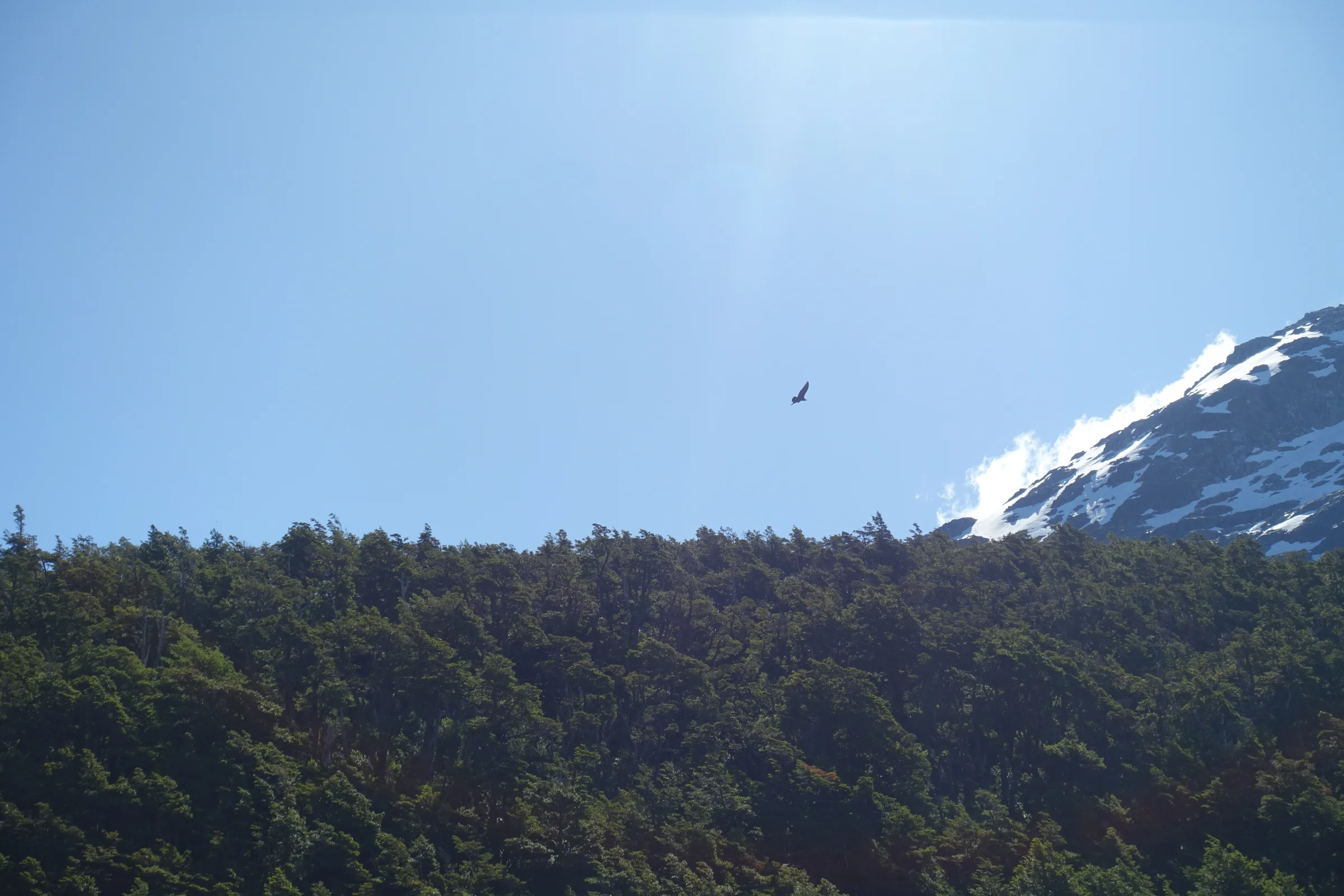
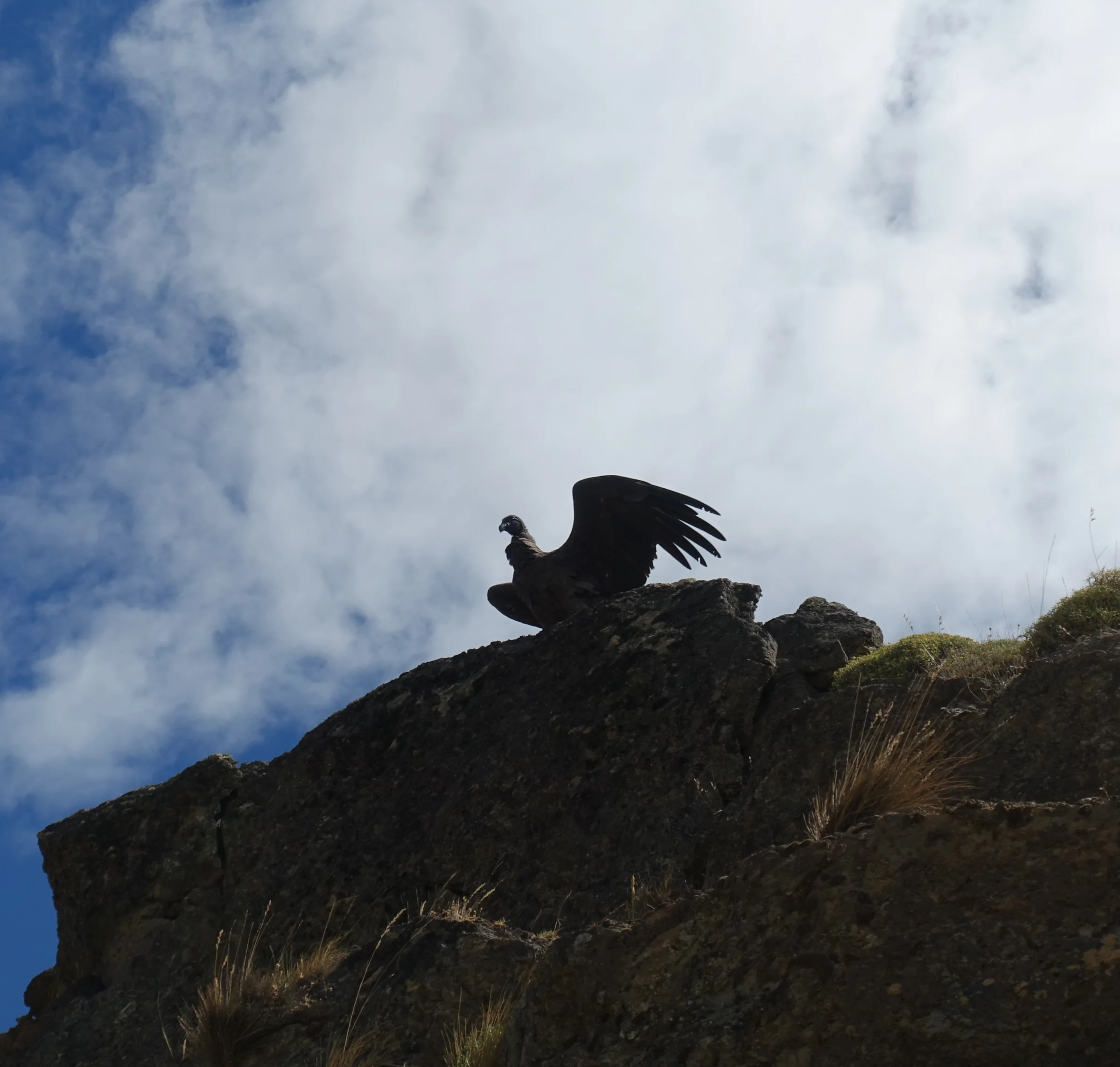
I returned the same way, except I could raft most of it, and the headwind turned into a tailwind. I held a paddle up over my head, and crossed the lake by wind power alone. As I left the valley behind me, three Andean condors were circling overhead.
Epilogue
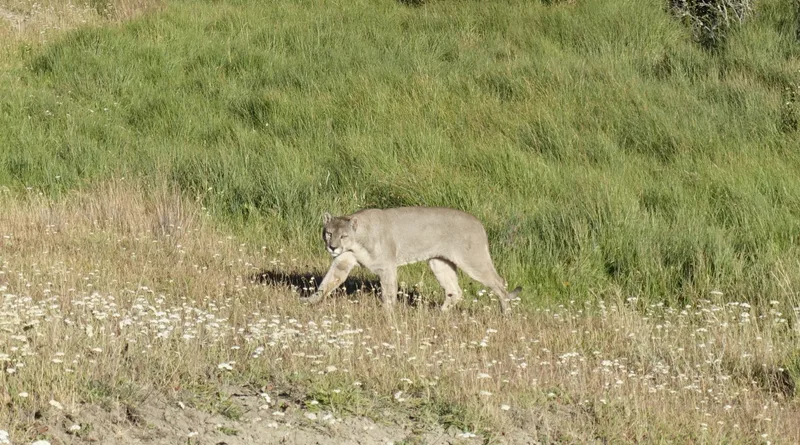
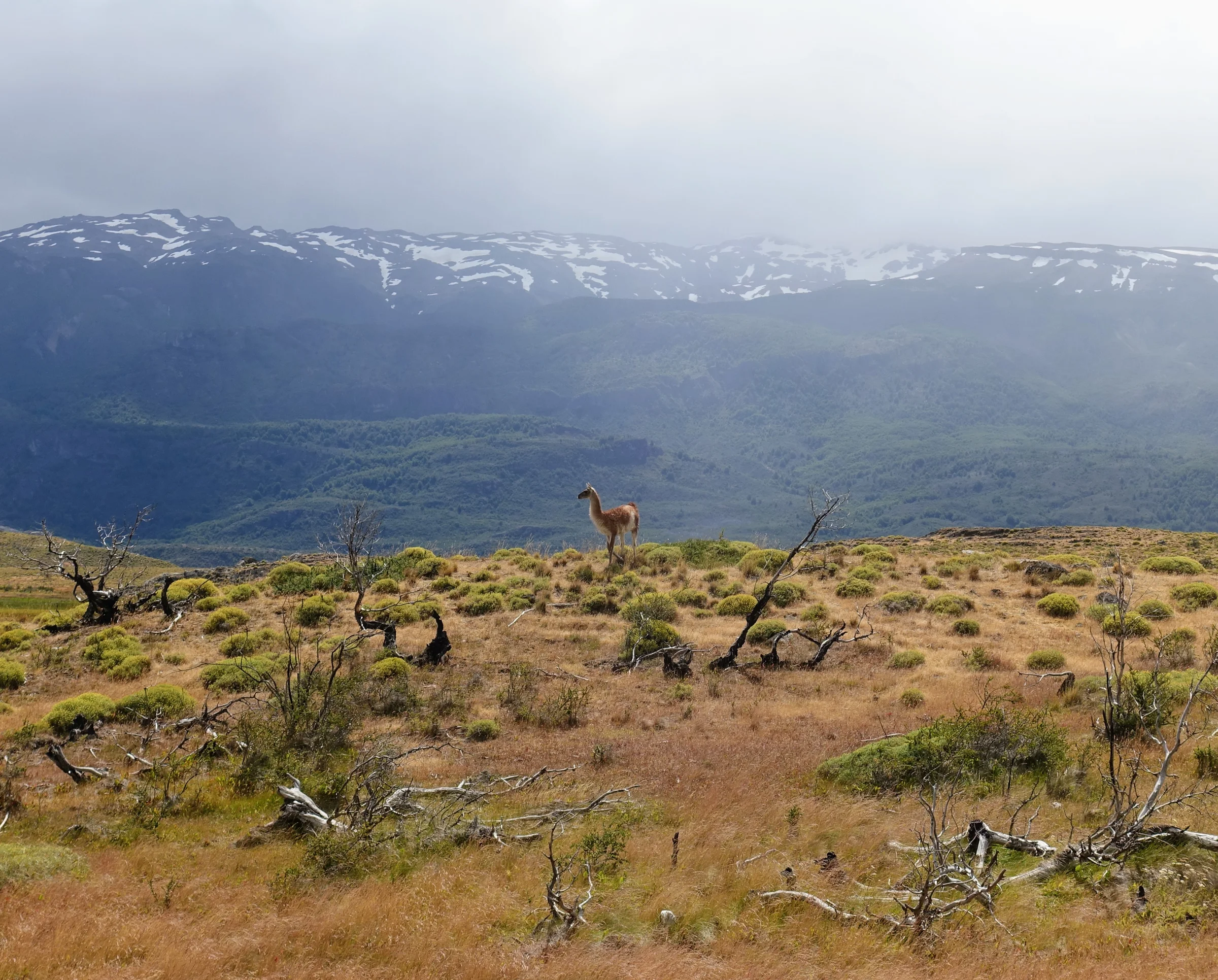
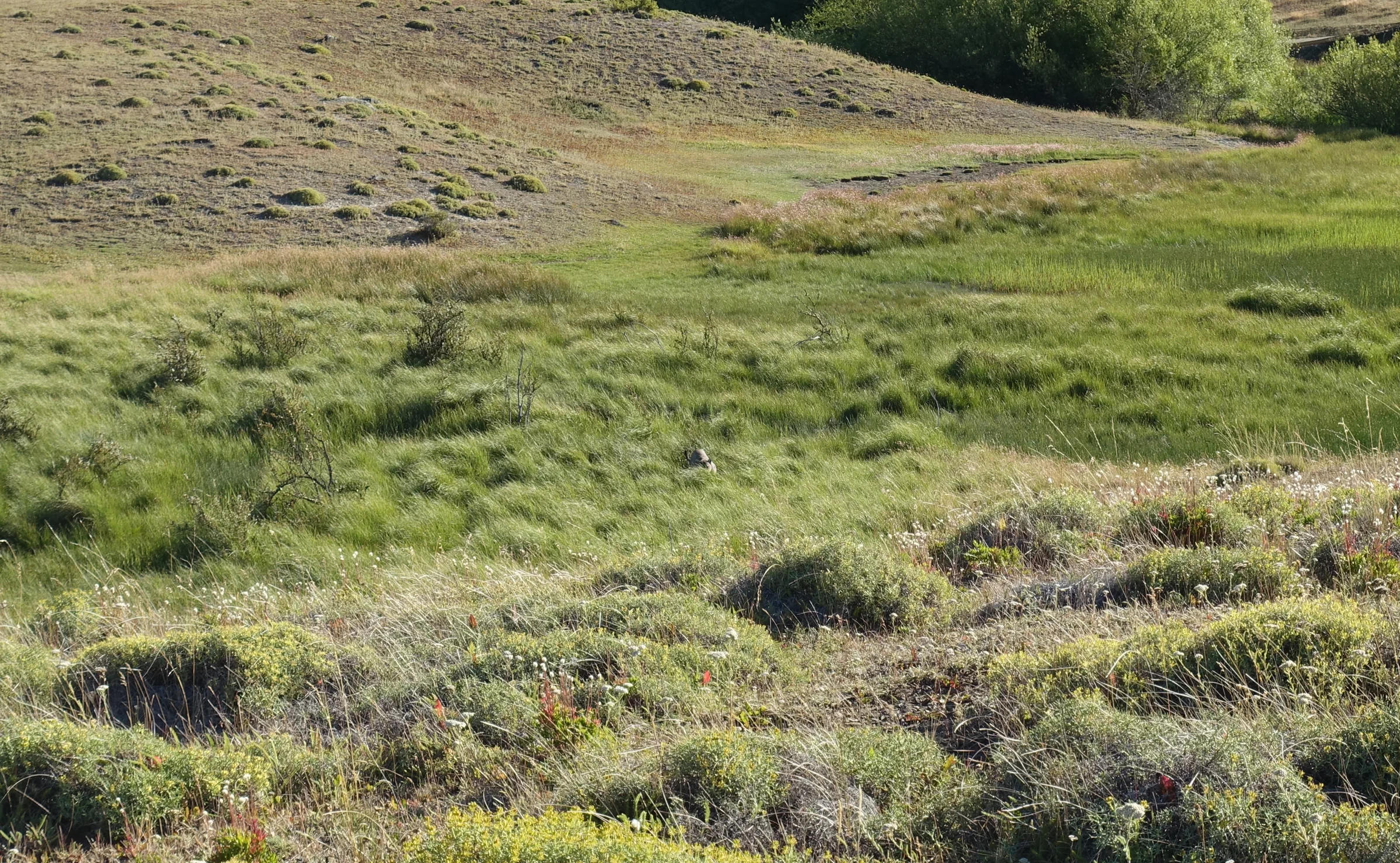
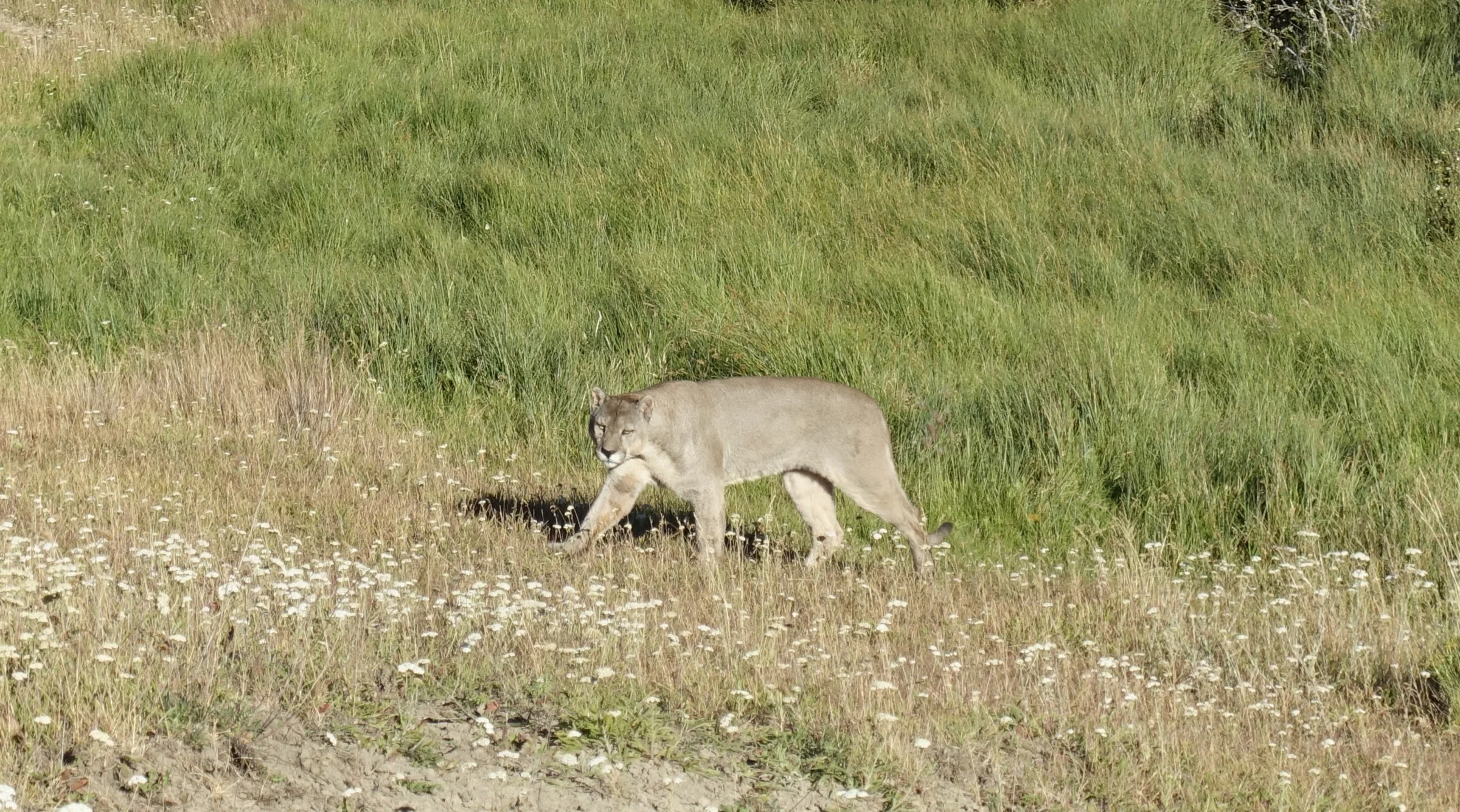
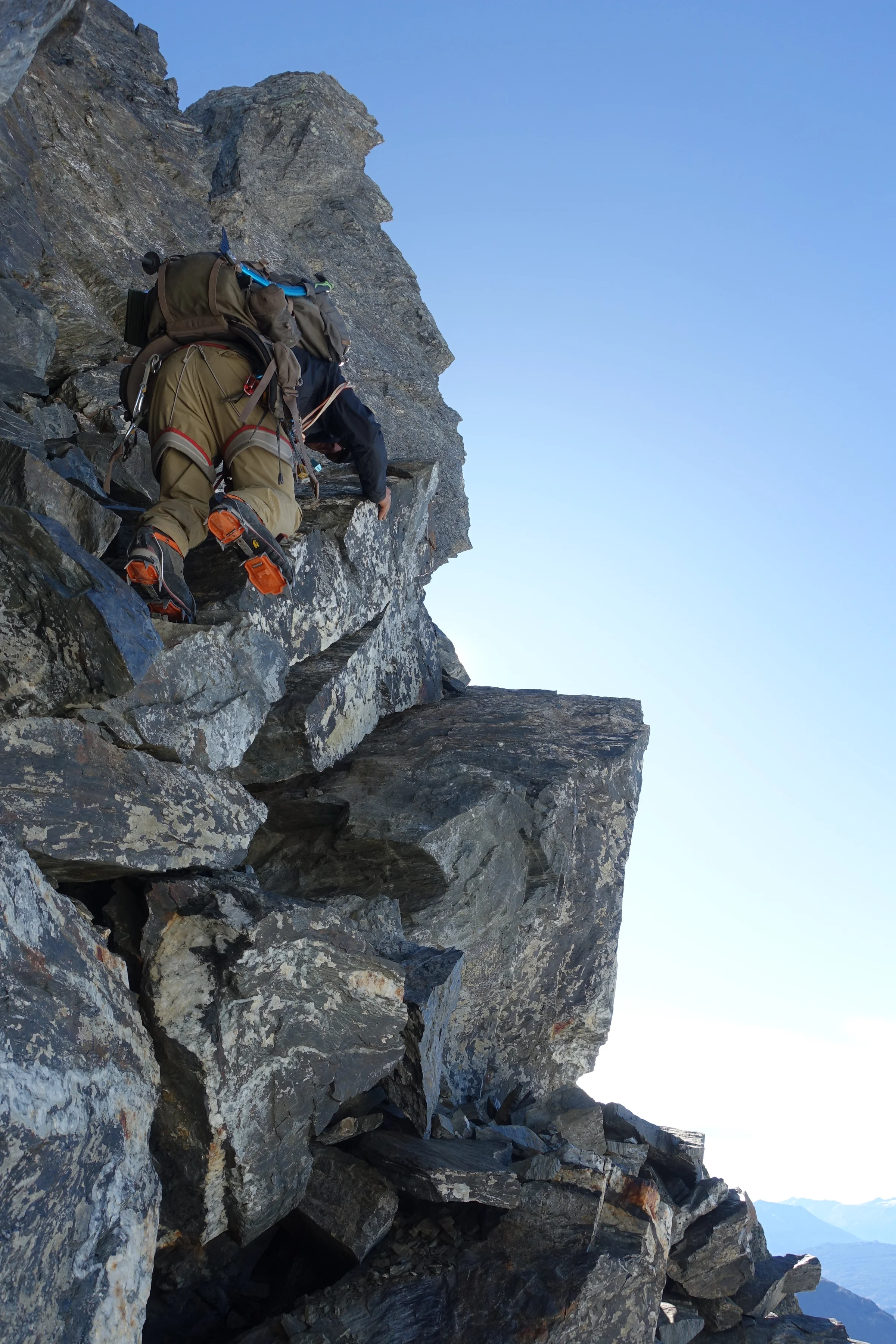
I had another two weeks in Patagonia after this. I summited a local peak with a guide, and encountered a puma and a condor while hiking in Patagonia National Park. The expedition hadn’t met its most ambitious goals. In the weeks and months that followed I changed my mind several times about the judiciousness of turning back. Two years later, I’m sure I made the correct choice.