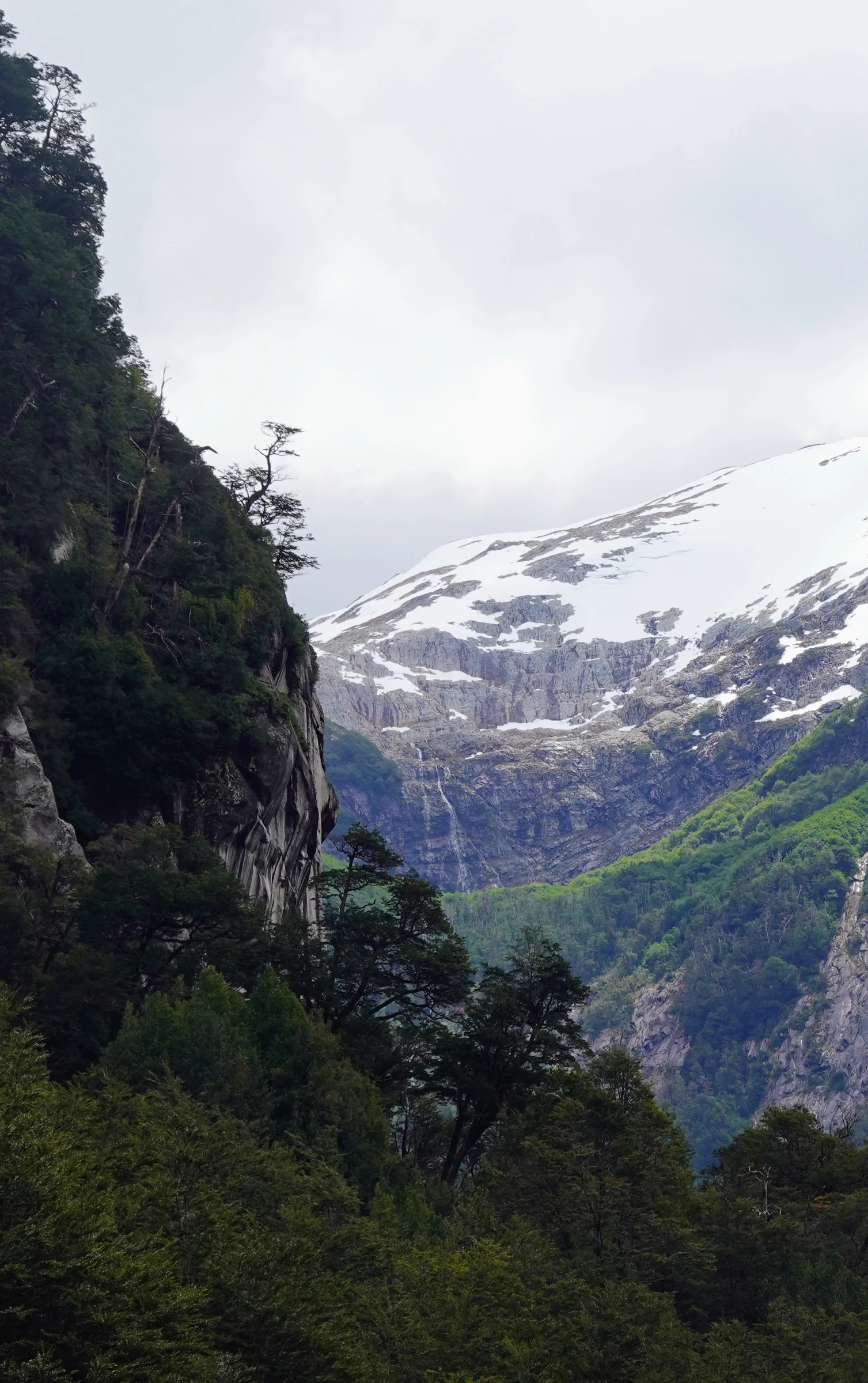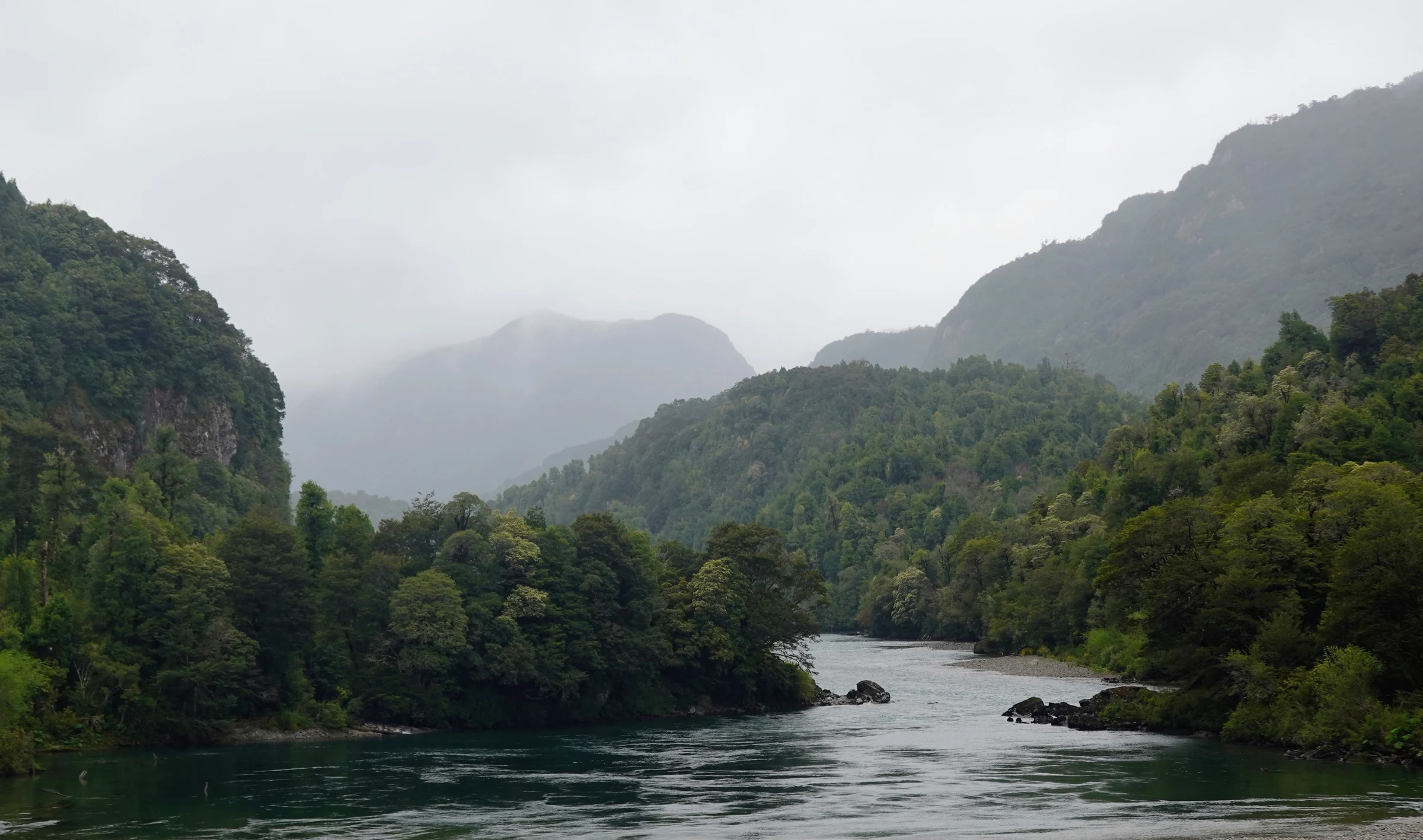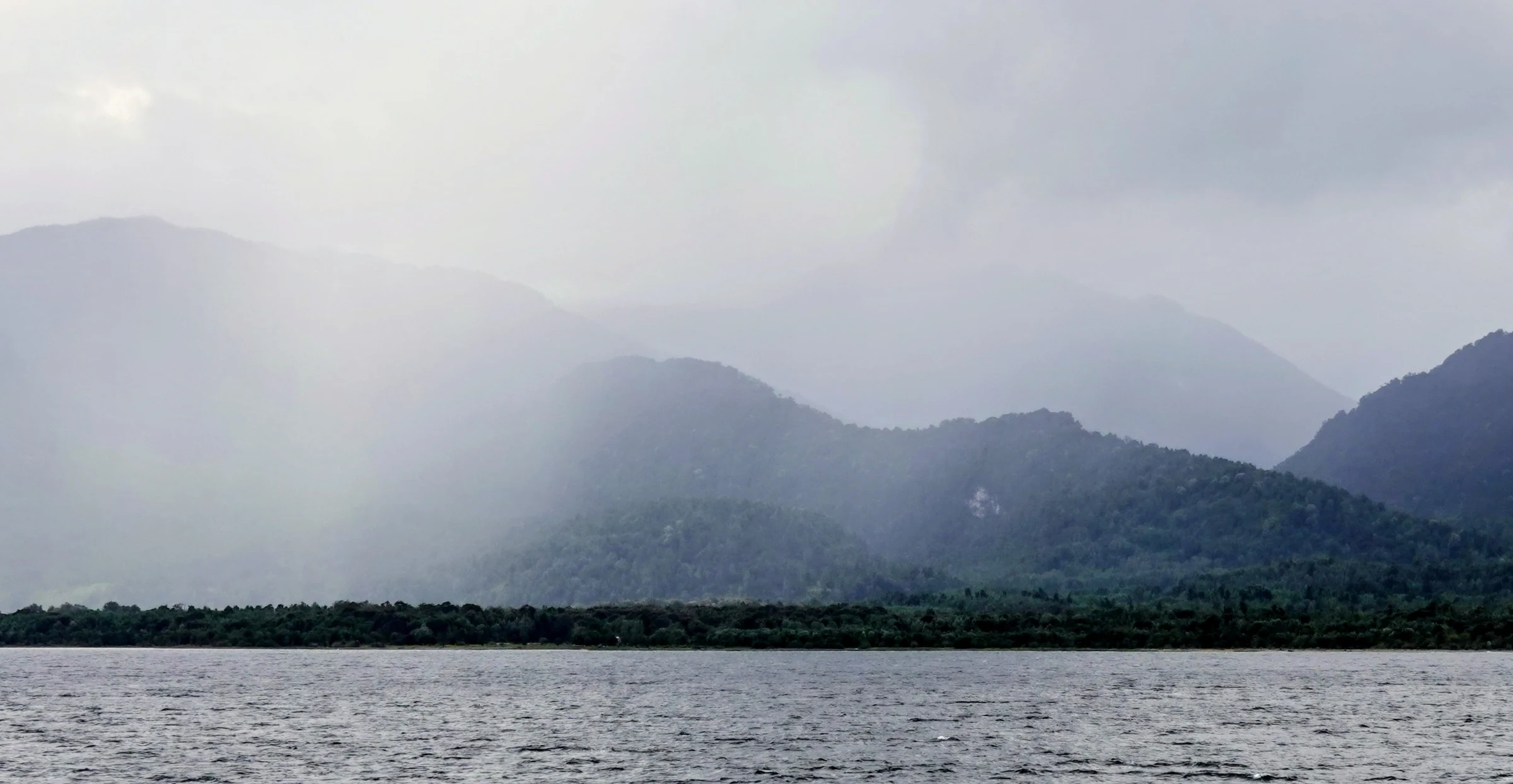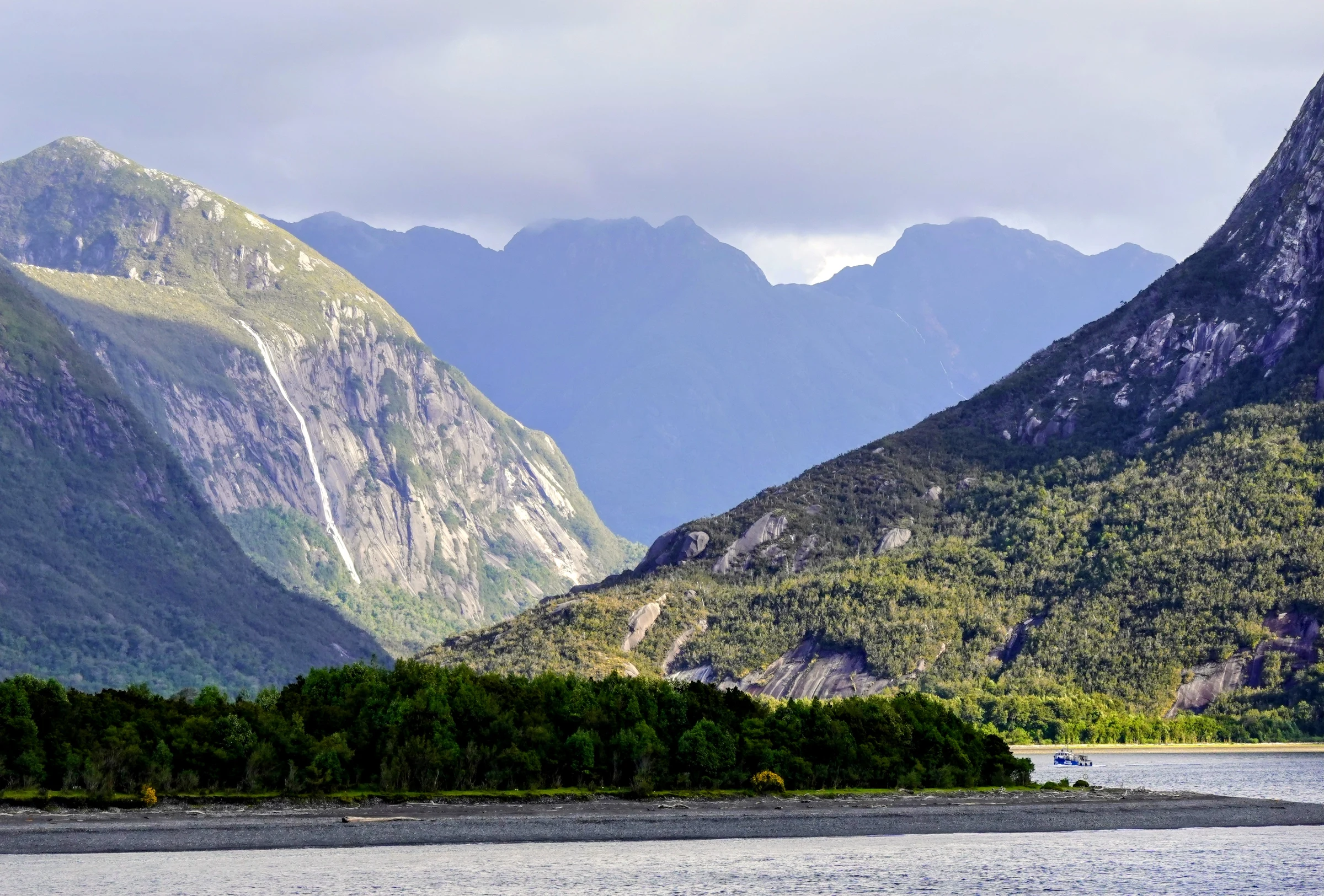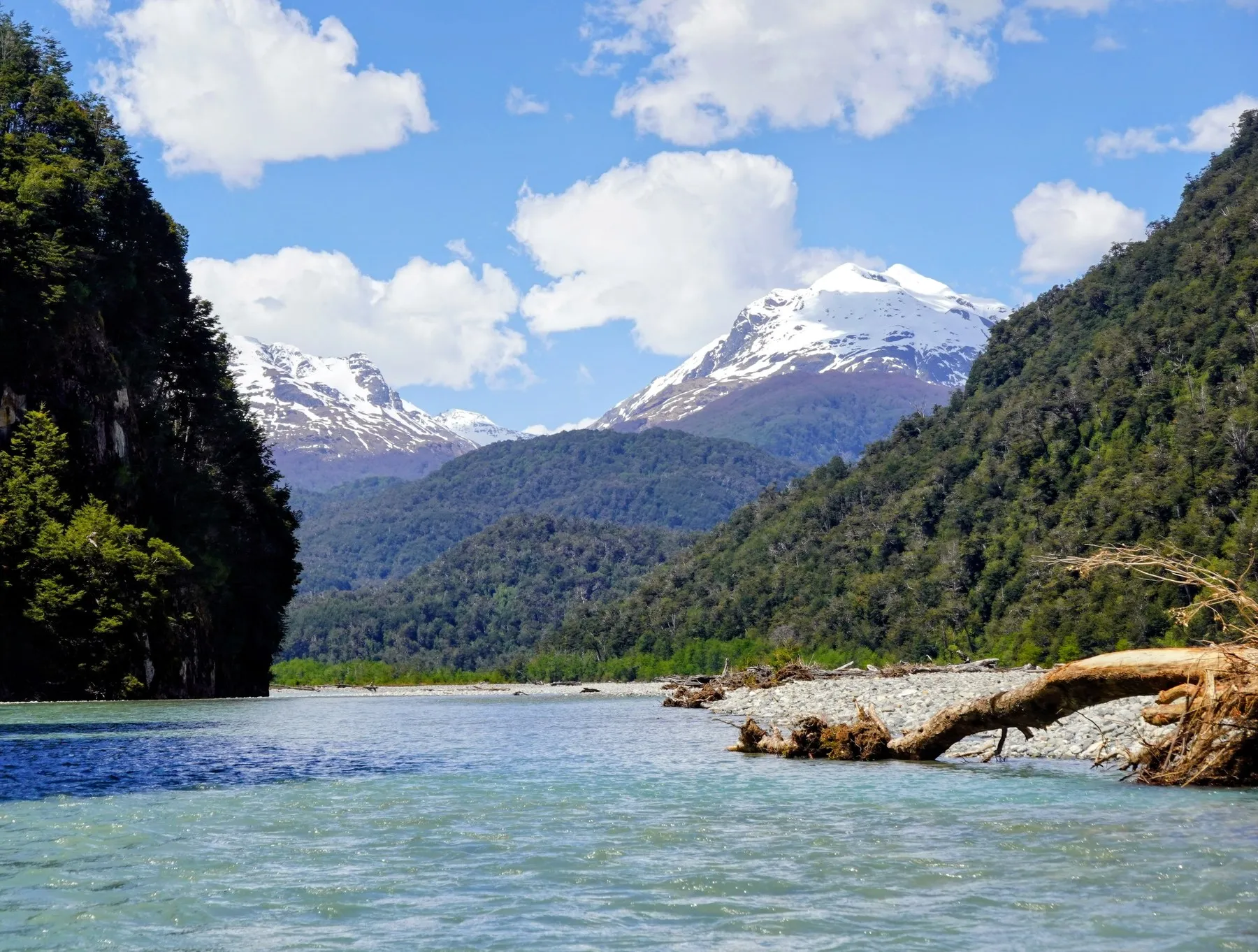
Two years earlier I had come to Aysén with a packraft, a hundred-litre pack, and not quite enough experience for what I had in mind. I ended up turning around and rafting back down. In the (austral) spring of 2025, I was back with a different plan: hike 35km into a different valley, cross a glacial lake, climb a snow pass, descend the other side, and paddle 60km of a river that has probably never been navigated. I thought my successful trip in Norway, my accumulated experience and conditioning, would give me an edge. In November there are no horseflies. I had packed lighter, and added a machete for the forest. I arrived by bus, not bike, to preserve my legs for what mattered.
On the five-hour bus ride, I sat next to a Chilean mountain rescue specialist who spent the journey cataloguing the ways European tourists come to his mountains to die. I told him all about my plan. He gave me a big smile and wished me the best of luck.
The approach
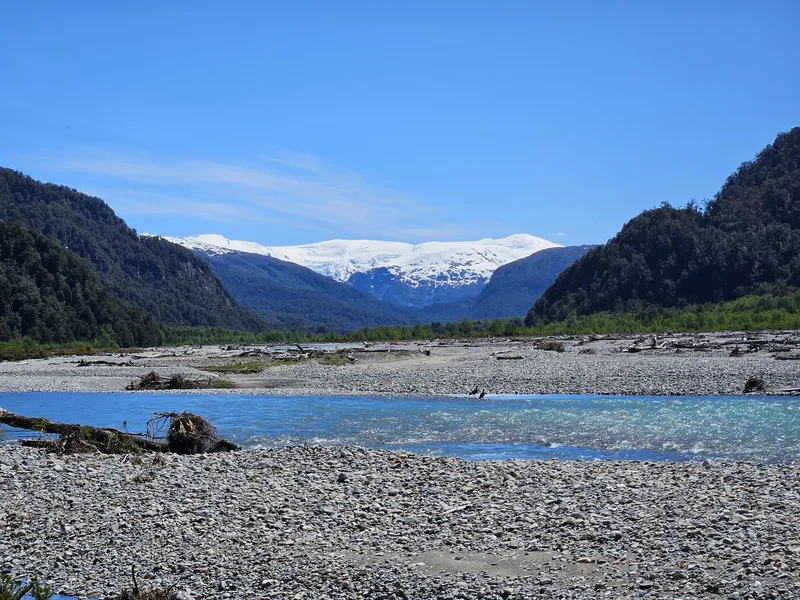
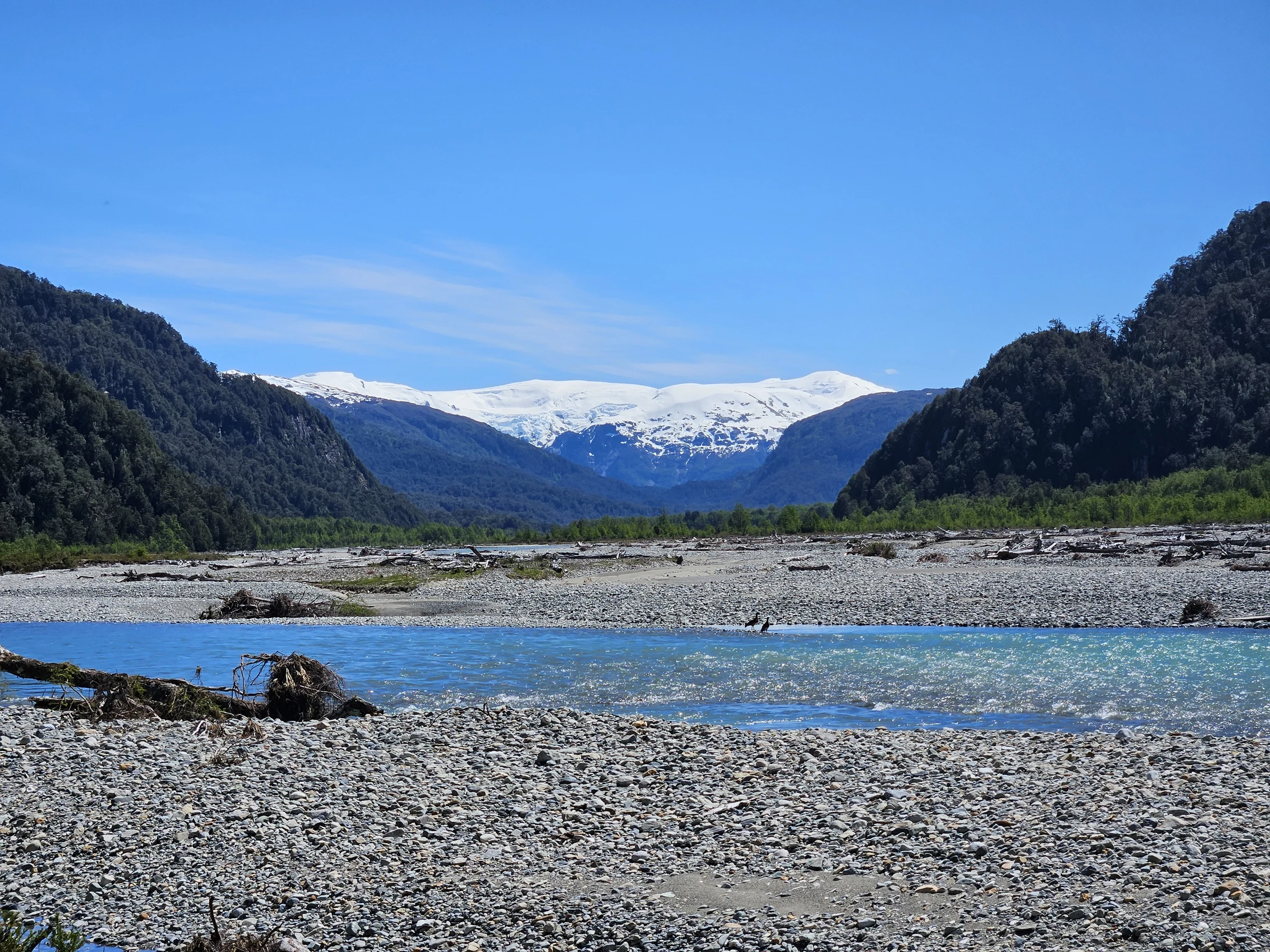
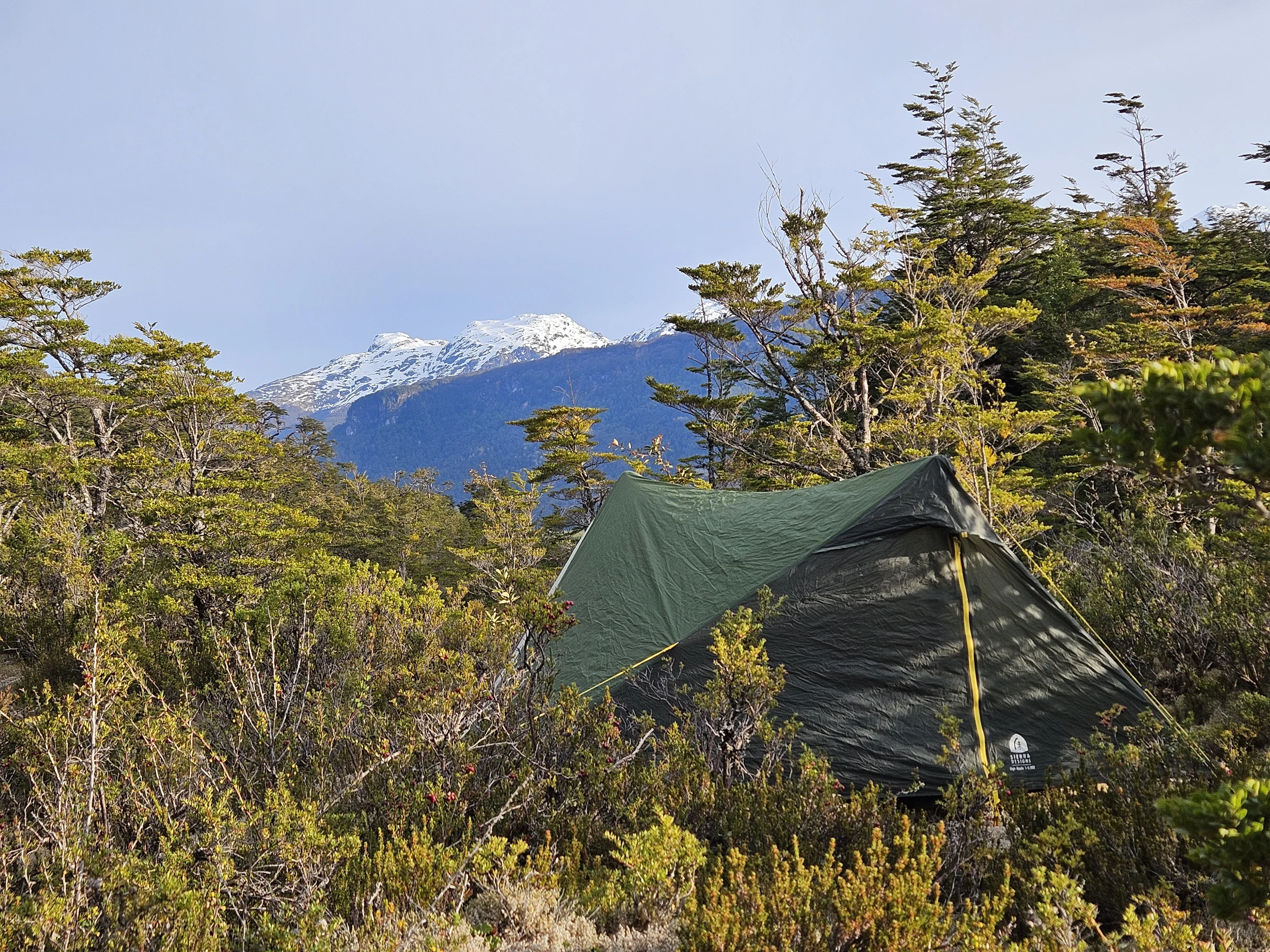
The first day went well. I hiked 25km off-path, crossing the river several times to find easier ground on the other bank, the current pushing hard against my thighs. The crossings were tricky at first; by the third or fourth I had perfected my technique. I had expected to cover only 15km that day, so as I made camp, I thought the odds were in my favour.
Into the forest
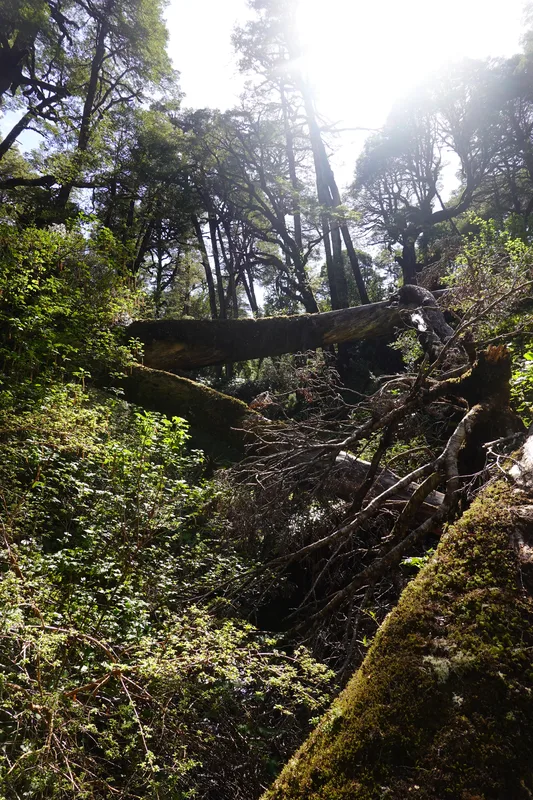
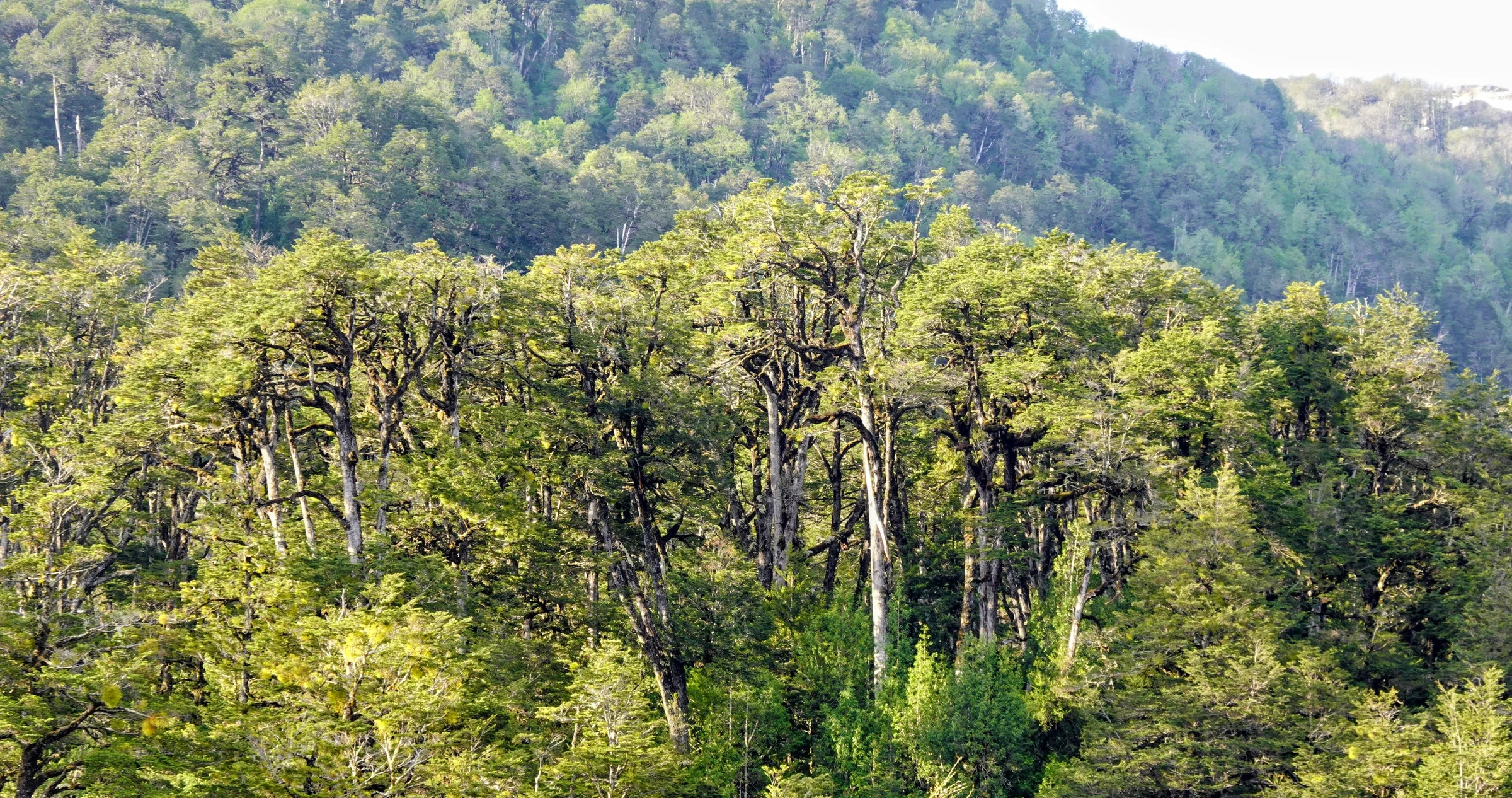
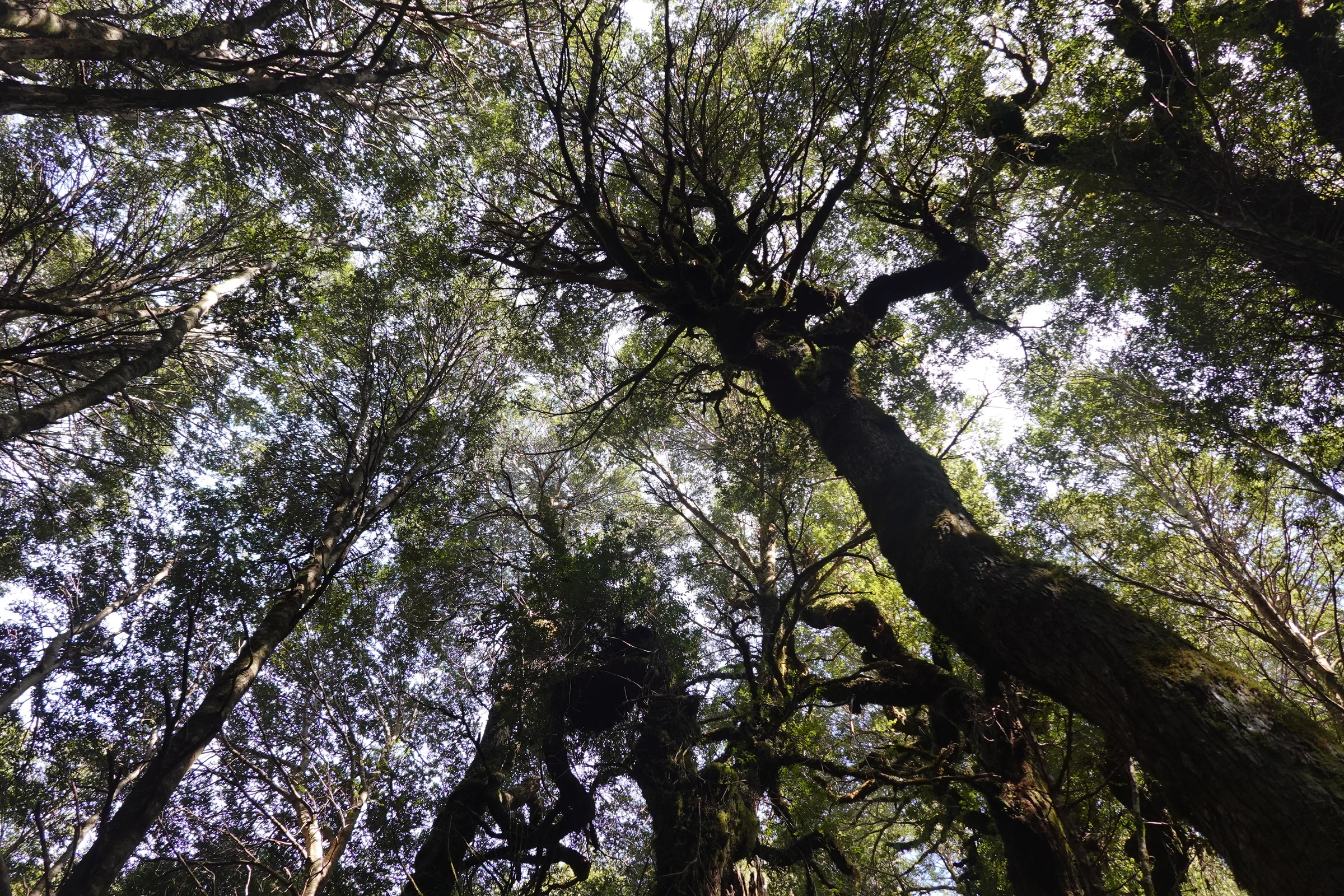
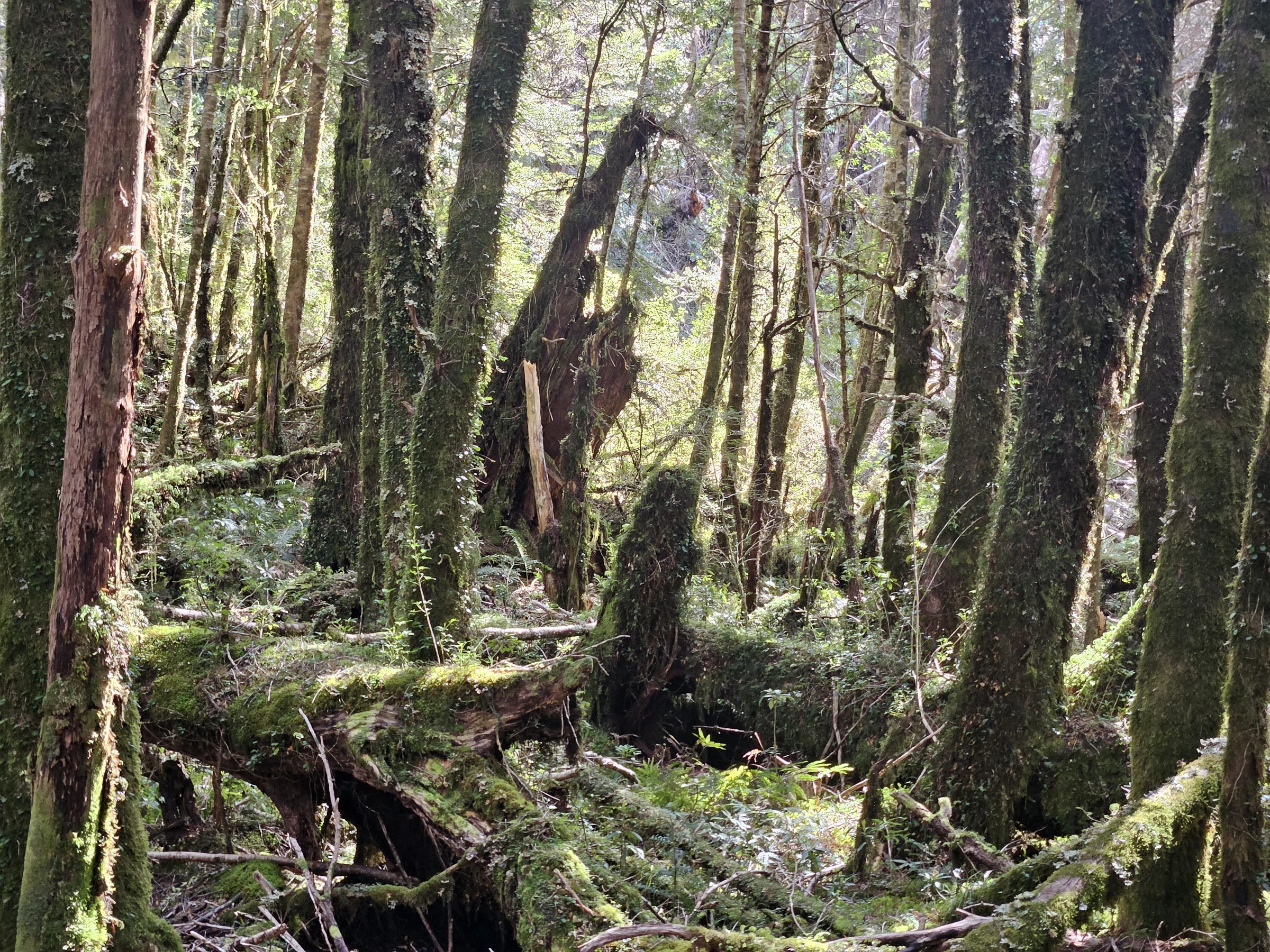
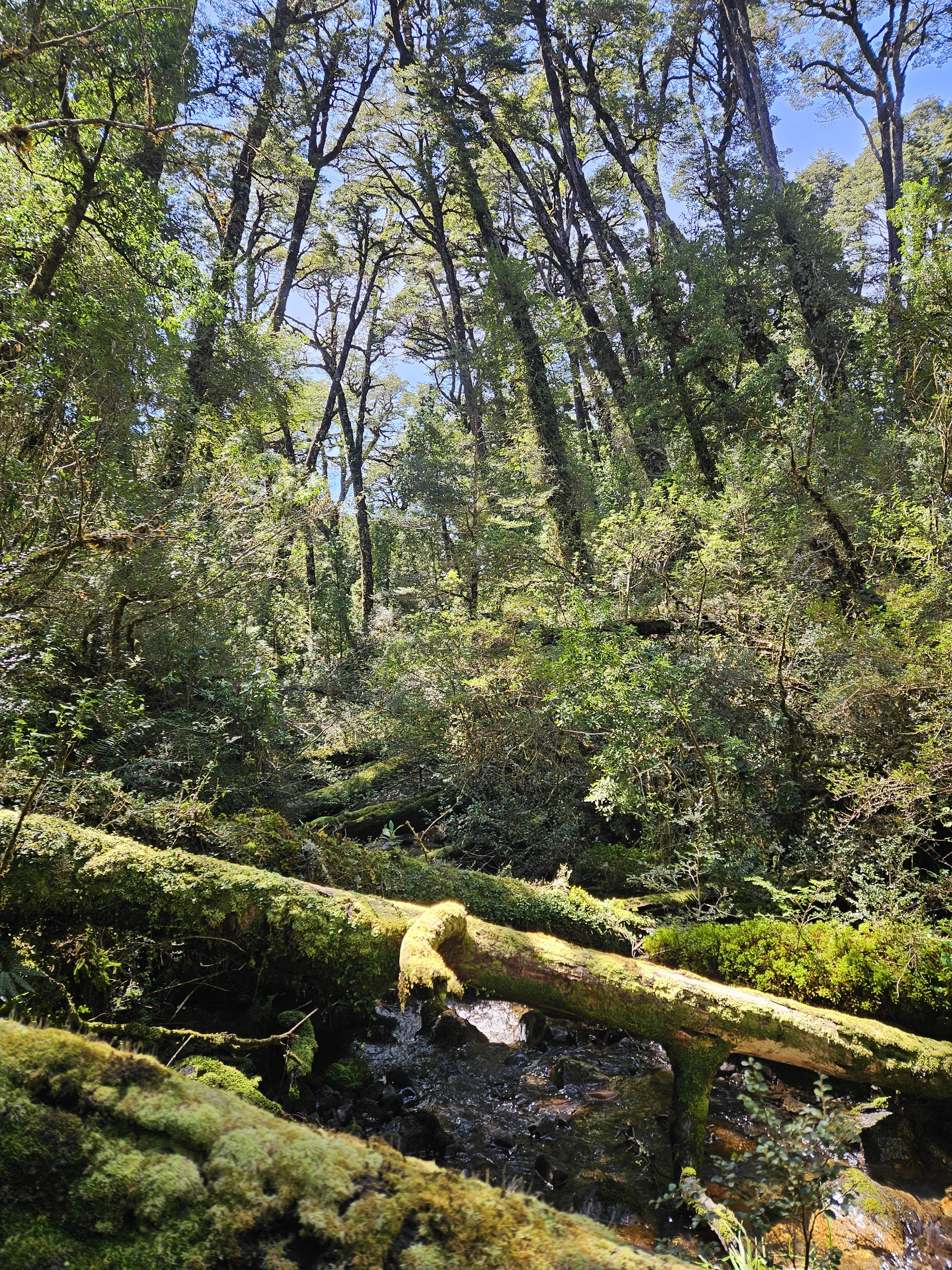
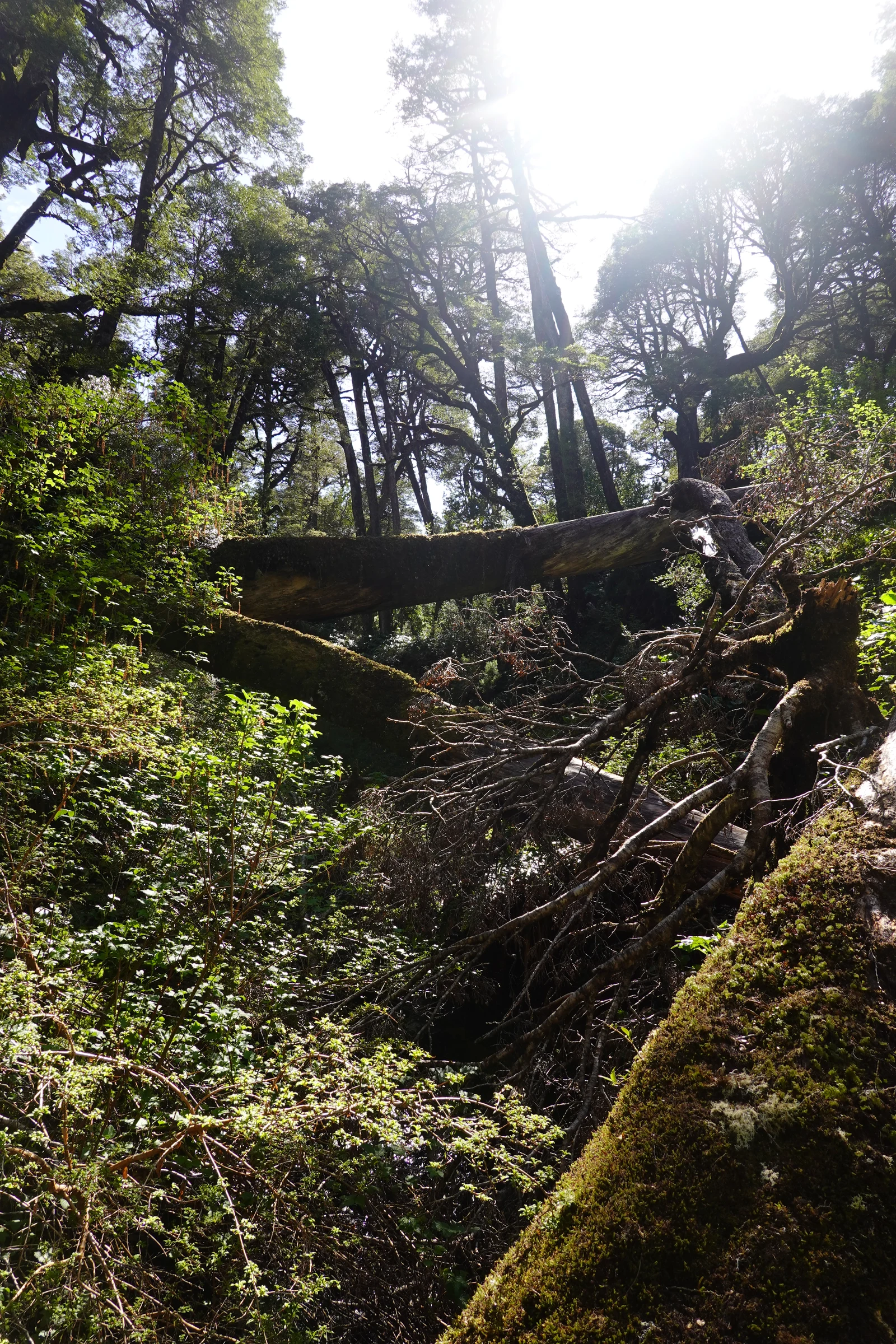
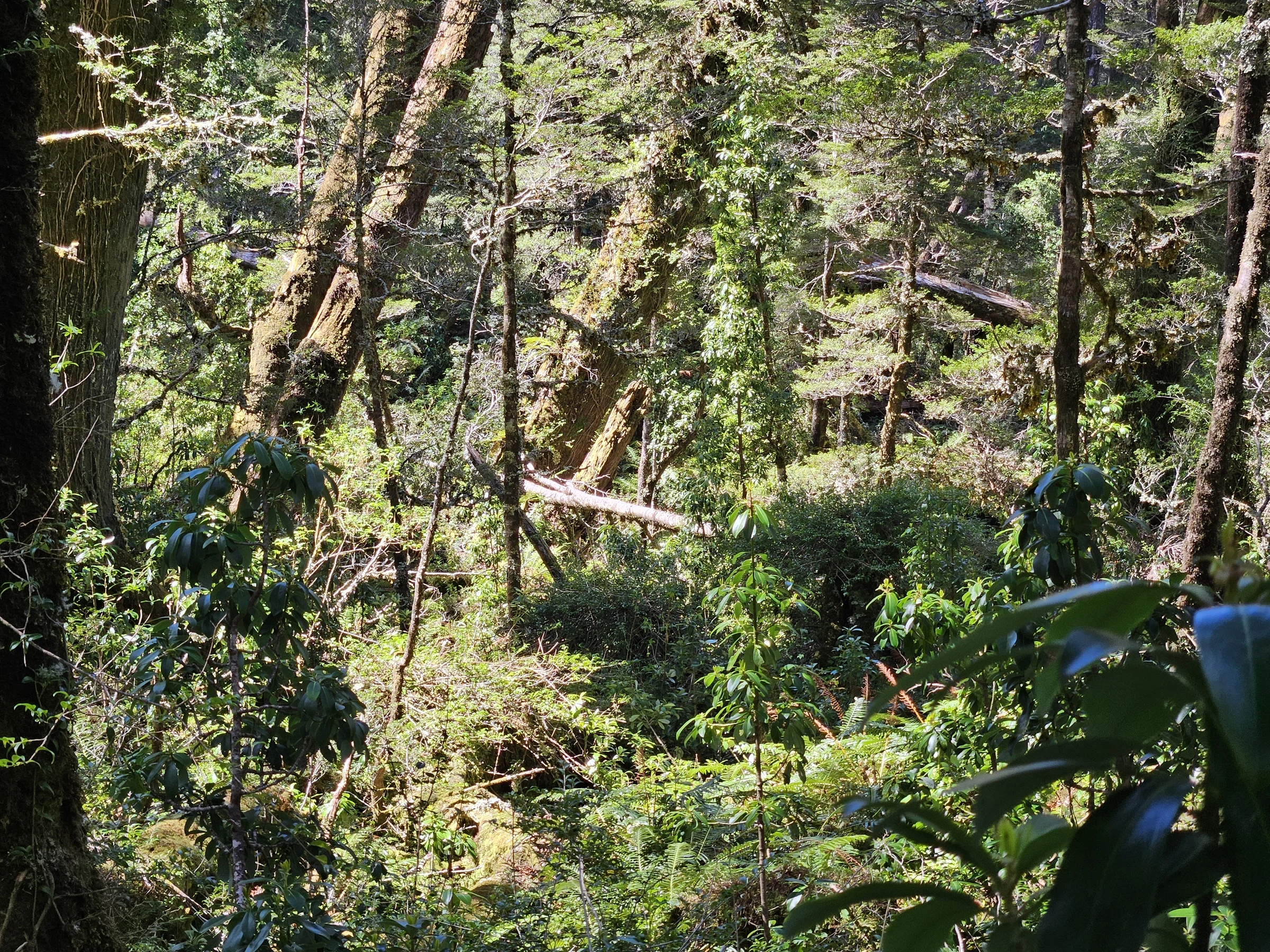
The second day, I entered the forest. In 2024, there had at least been occasional deer paths: narrow corridors through the branches, where a person could move without fighting for every step. Here there was nothing. The forest had fallen on itself: enormous trees, a metre or more in diameter, piled upon one another, rotten and slippery, with thorny bushes filling the gaps and deep mud or standing water below. I climbed over, ducked under, forced through, cut through the foliage with the machete. After eight gruesome hours, I had covered 1.5km.
The cliff
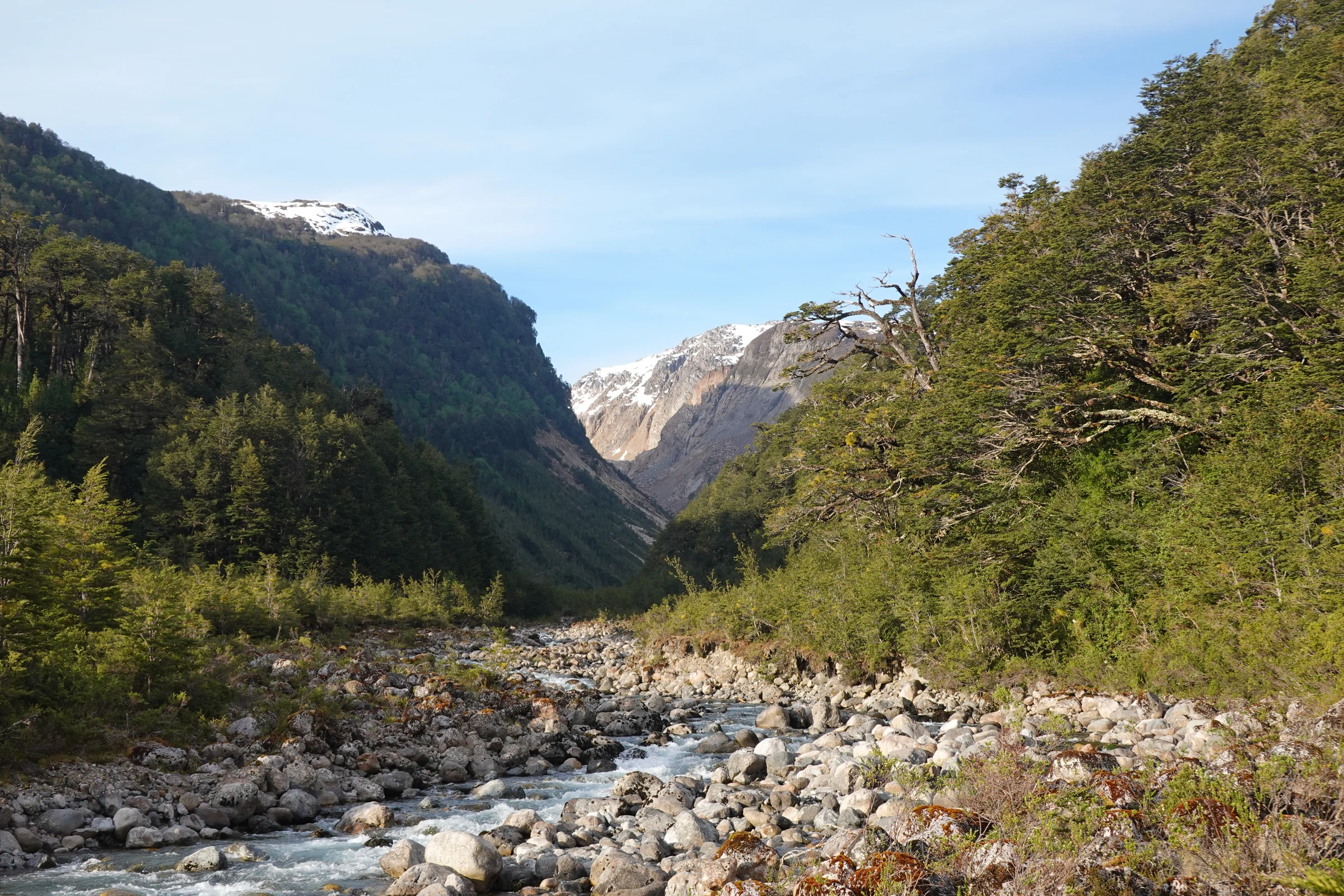
On the third day I reached the edge of the forest. There was a small cliff, about 8 or 10 metres, that hadn’t appeared on any map. I could get down it; I had brought a short, thin rope. Getting back up, however, would have been another matter.
The cliff sat at the far entrance to a canyon. I had gone through the forest at this canyon’s exit: it was hemmed in on both sides. Perhaps I could paddle down through the river, but there was no way to tell if it was obstructed by fallen trees or impassable rapids. If I rappelled down, and then got stuck further up the mountain, or worse, injured, the possibility (and survivability) of retreat would be a coin toss. In Patagonia, helicopter rescue is far from guaranteed.
I turned around. Six more hours back through the forest, faster for having done it once already.
Downriver
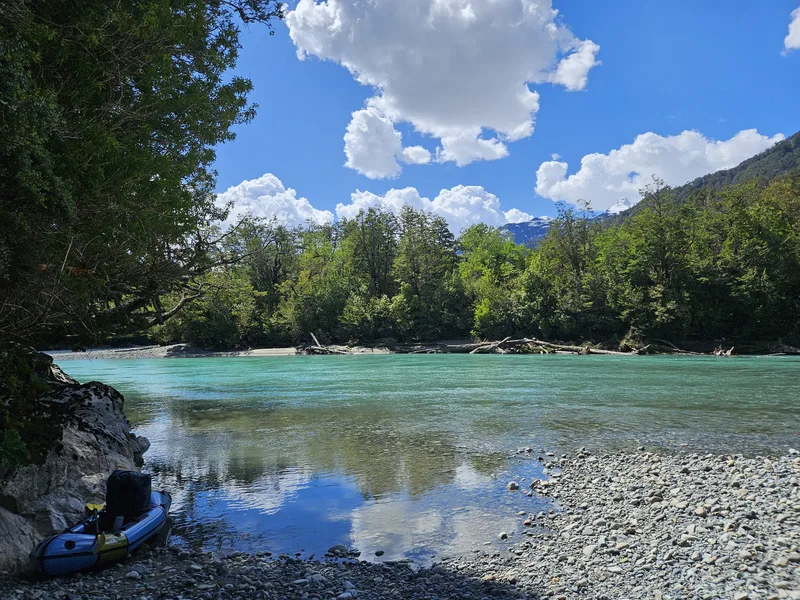
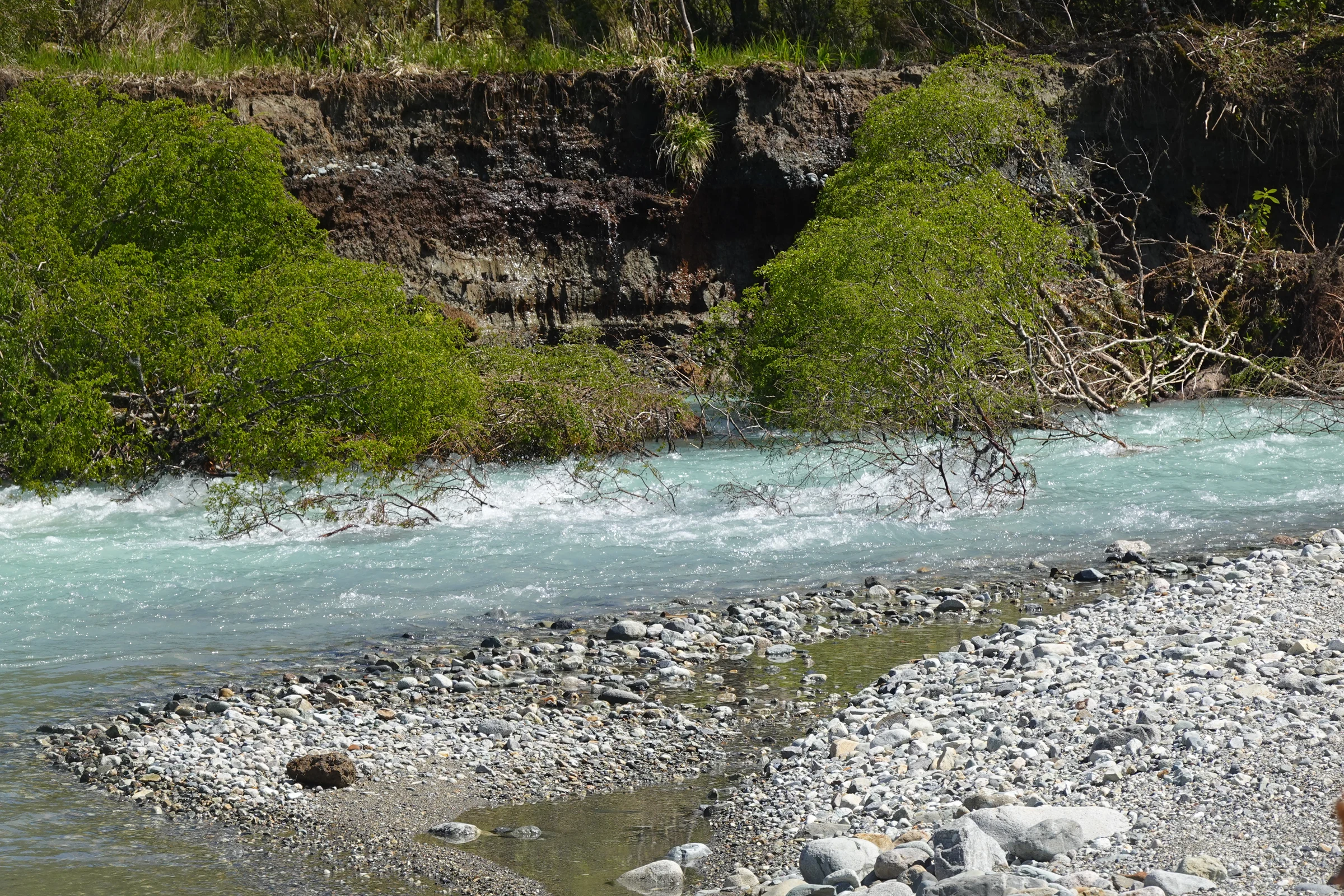
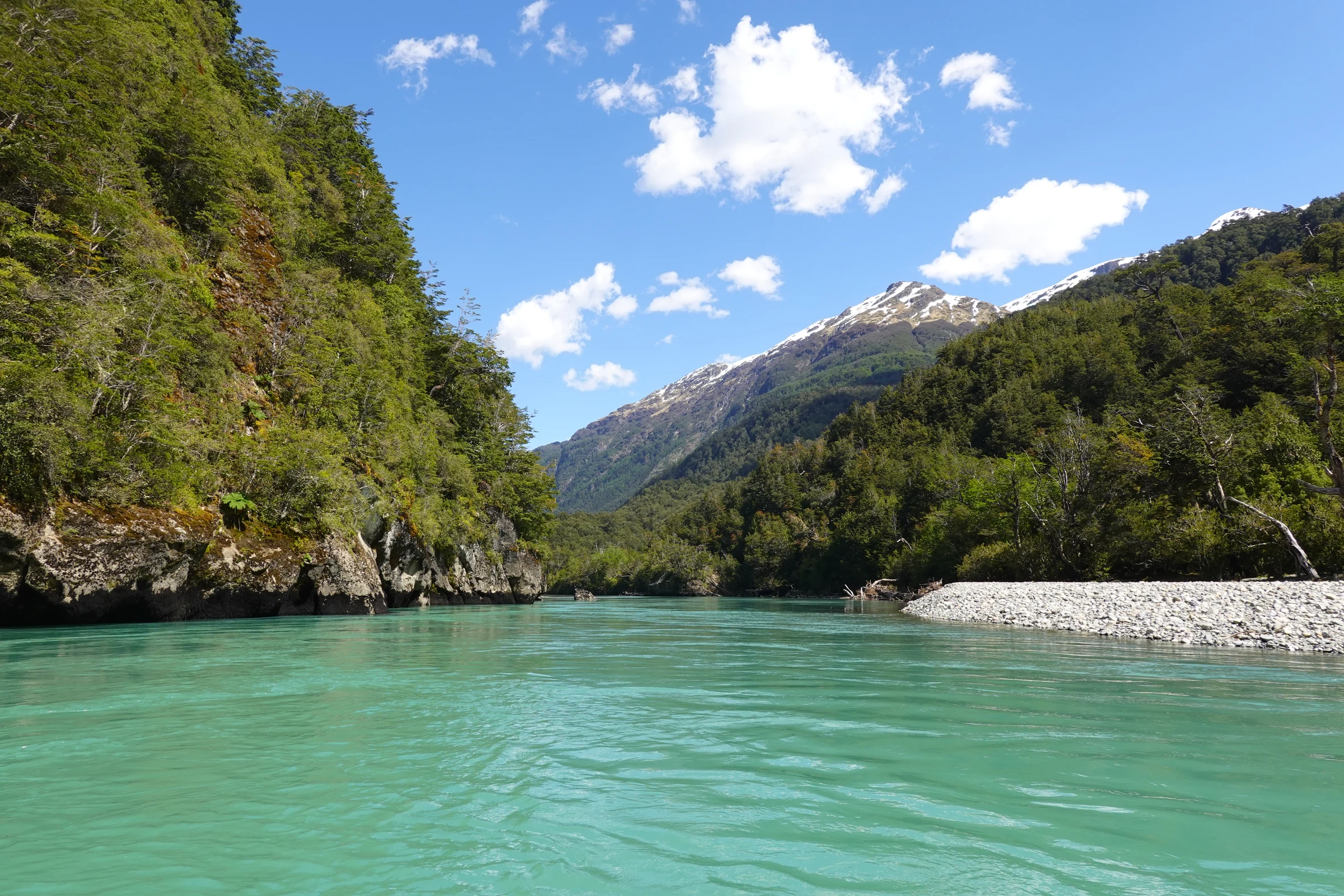
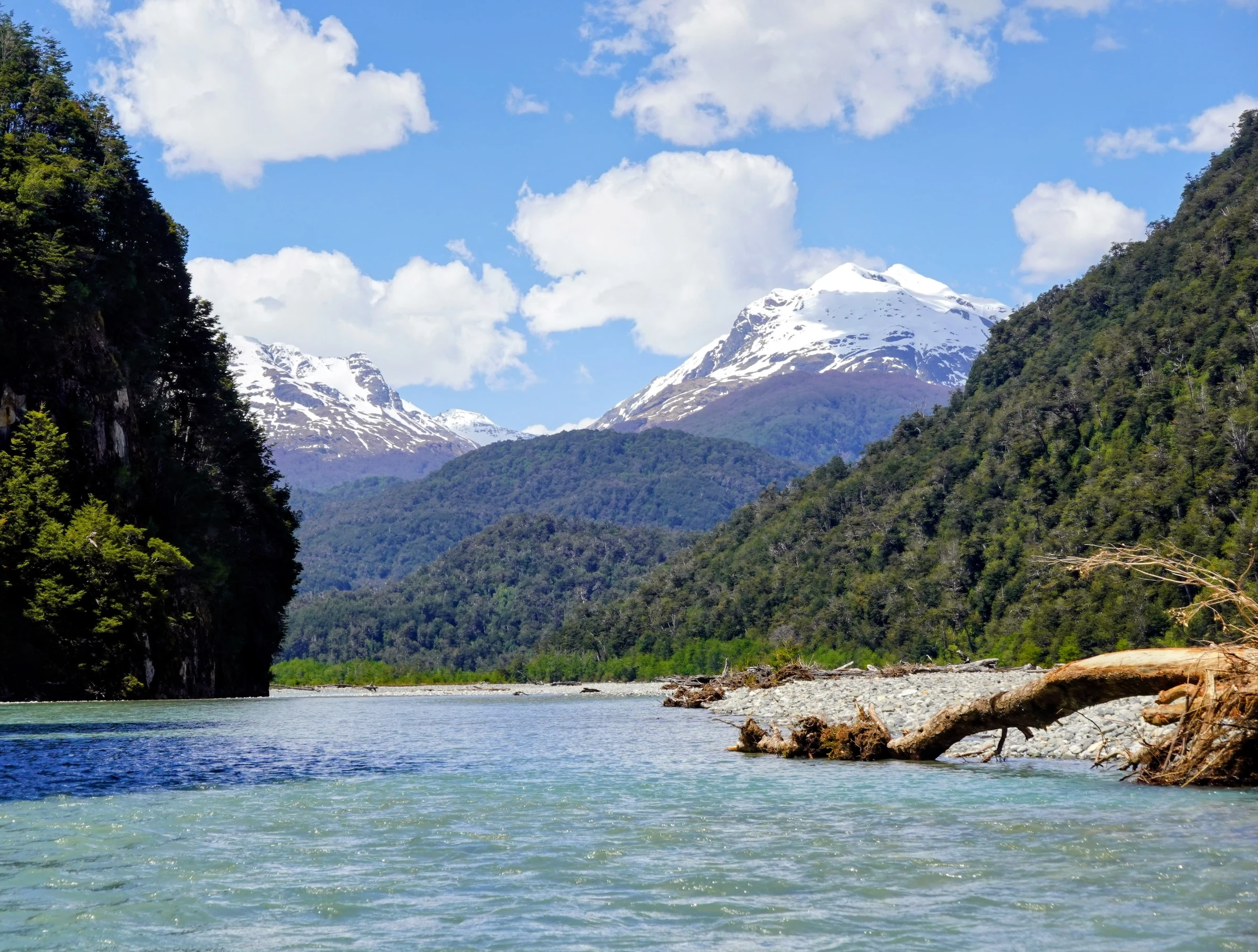
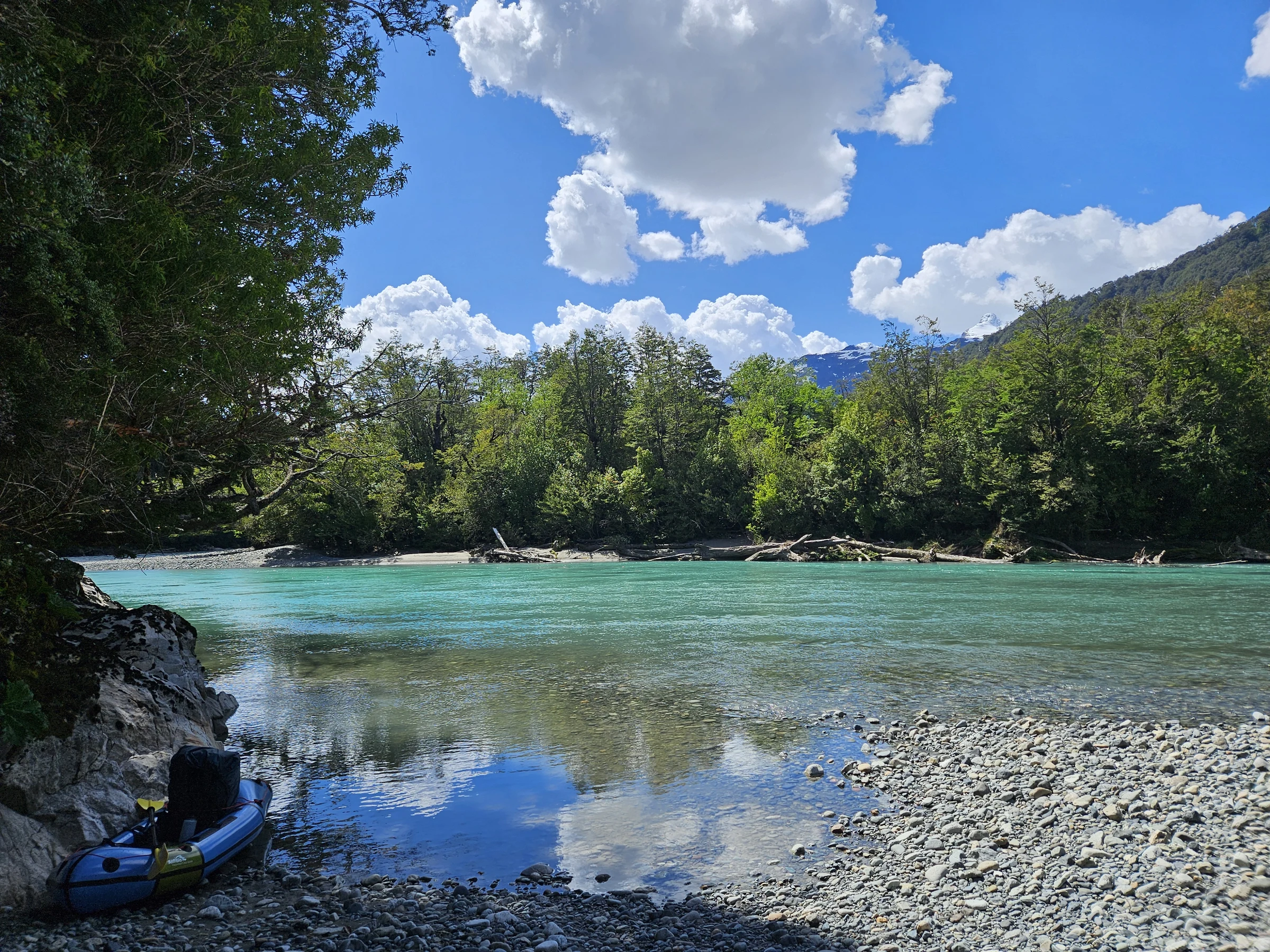
The plan had always included a fallback: if I couldn’t cross the pass, I could at least paddle the river, the same one I kept fording on the way up, and then continue down the valley past the point where I had gotten off the bus. The river was good. Plenty of water, fun easy rapids, a few portages around log jams. Two days of this, the valley gradually widening.
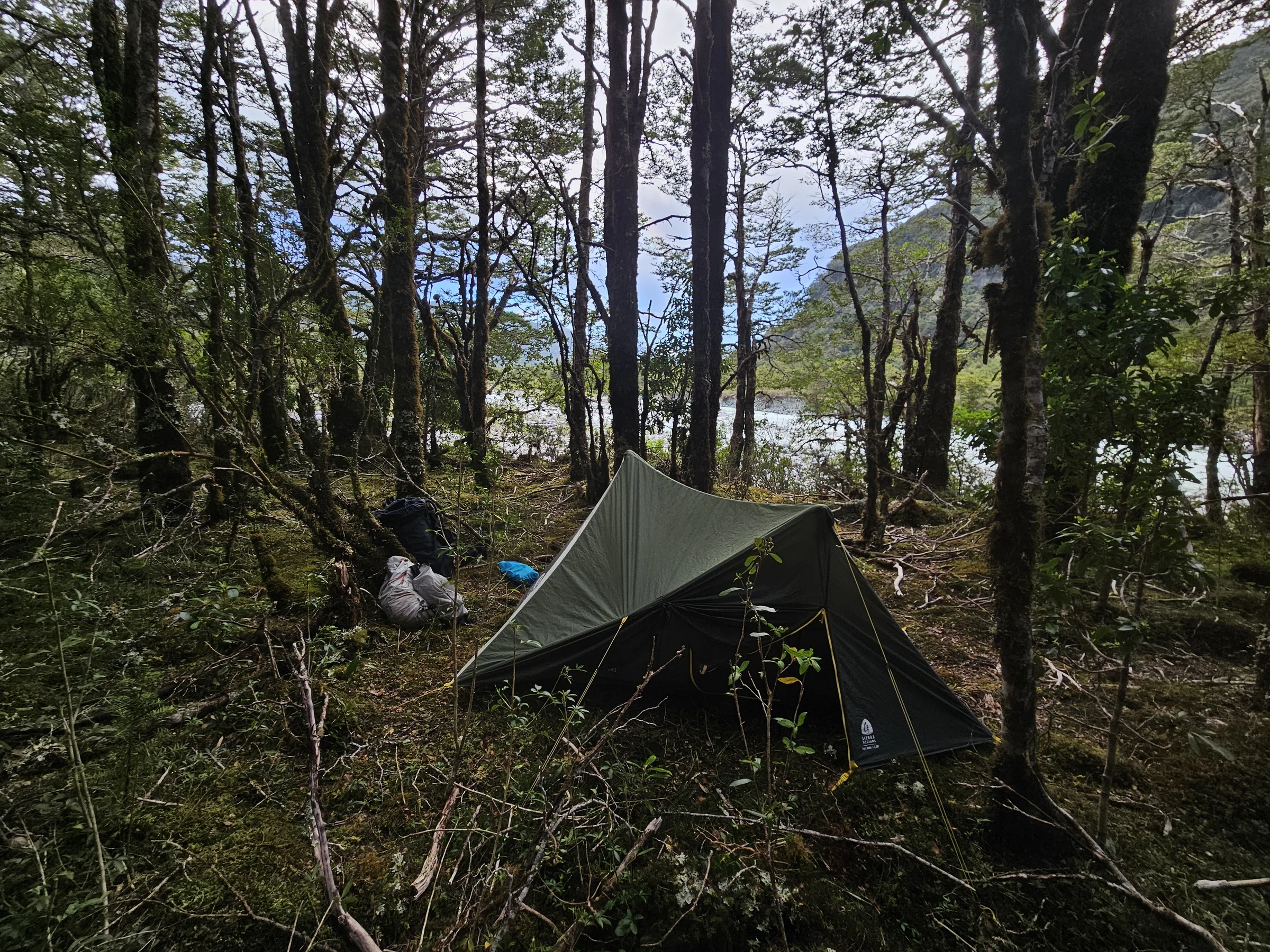
After a long day of paddling (about 50km) I reached the inhabited part of the valley. In Chilean Patagonia, anything outside a national park is private property; there is no right to wild camp. I found a quiet patch of forest by the water within somebody’s hacienda and made camp. Across the river, the beginnings of a dirt road under construction. It was Saturday evening in Catholic country; I figured the place would be quiet.
The next morning my breakfast was interrupted by a dynamite explosion, perhaps 100 meters away from me, on the other side of the river. It was terrifying. Sunday, but perhaps whoever was building that road wanted to be done before mass. Rock shrapnel rose into ample parabolas and fell into the river with terrible noise and splashing. My tent and myself were fine.
I paddled out, packed up, hitchhiked to the next town with a hostel, and that was that.
Epilogue
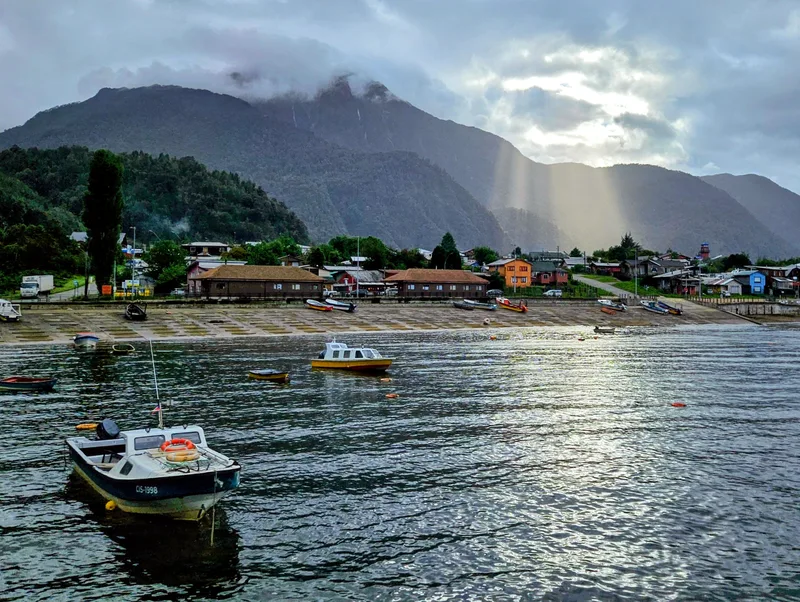
Defeated by Patagonian jungle again: different valley, same rainforest, same result. The cliff was the right call: beyond it I had no information and no way back, which is a straightforward calculation. The paddle out was what it was: a pleasant couple of days on a river that had always been Plan B.
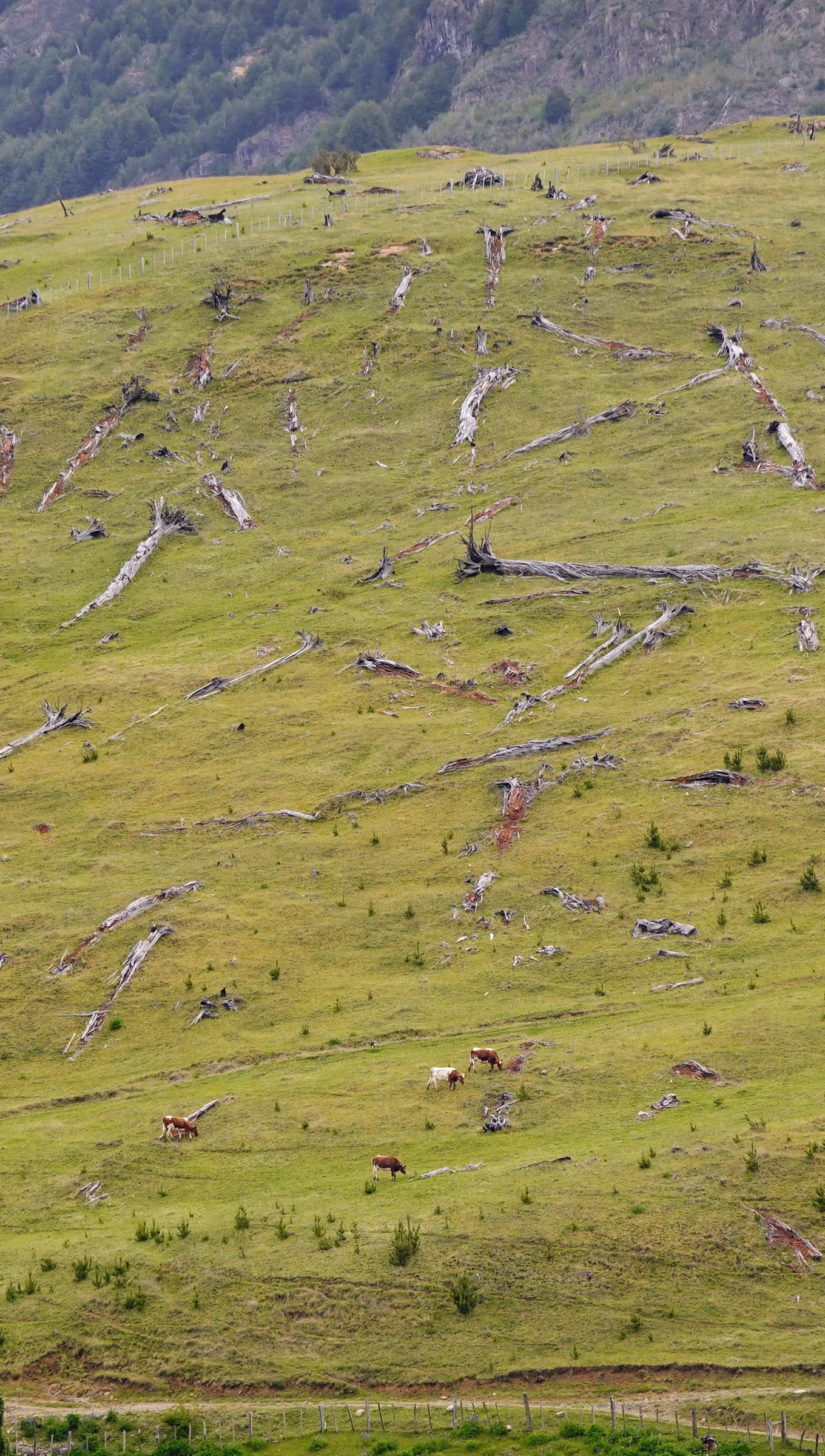
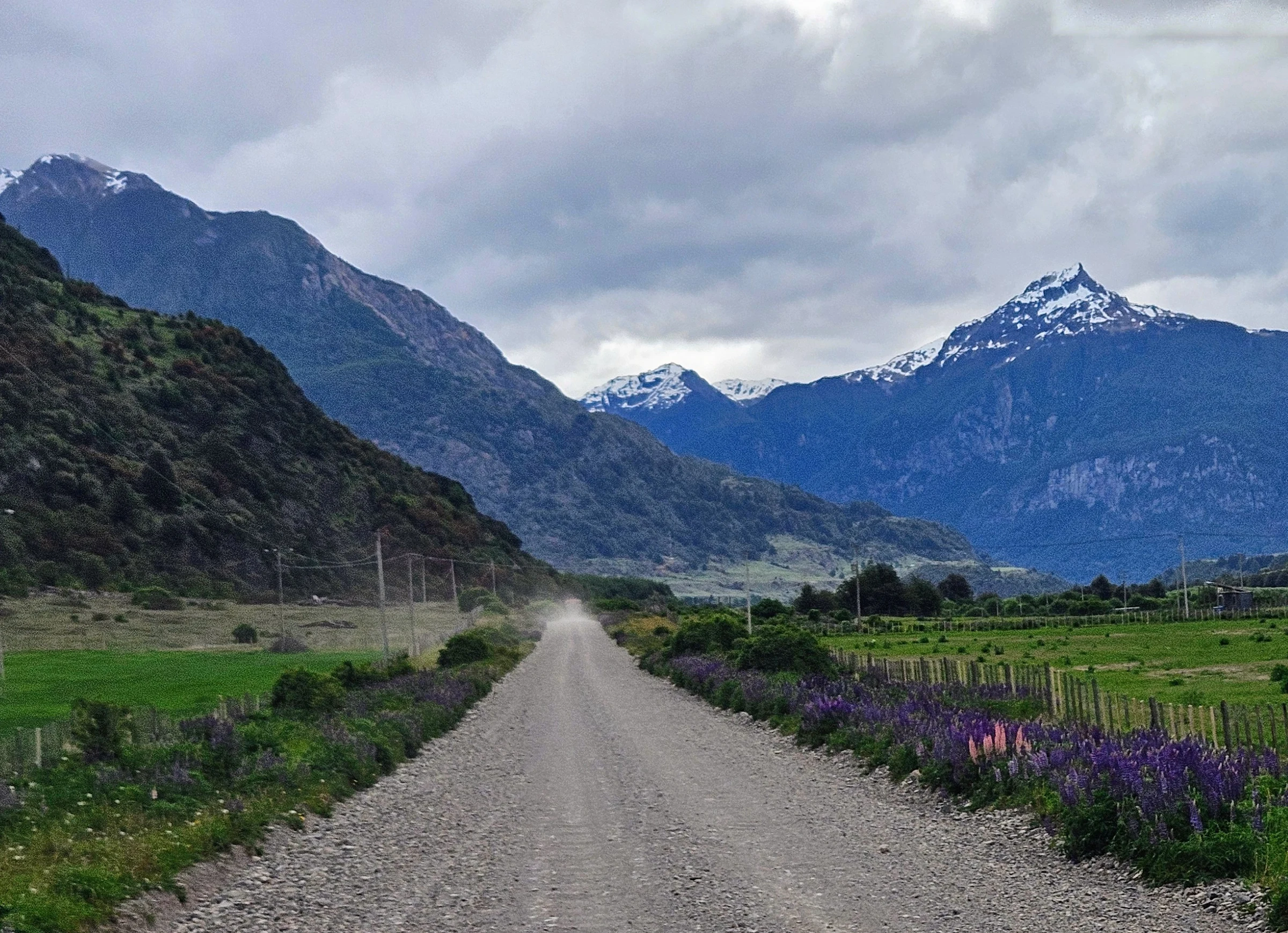
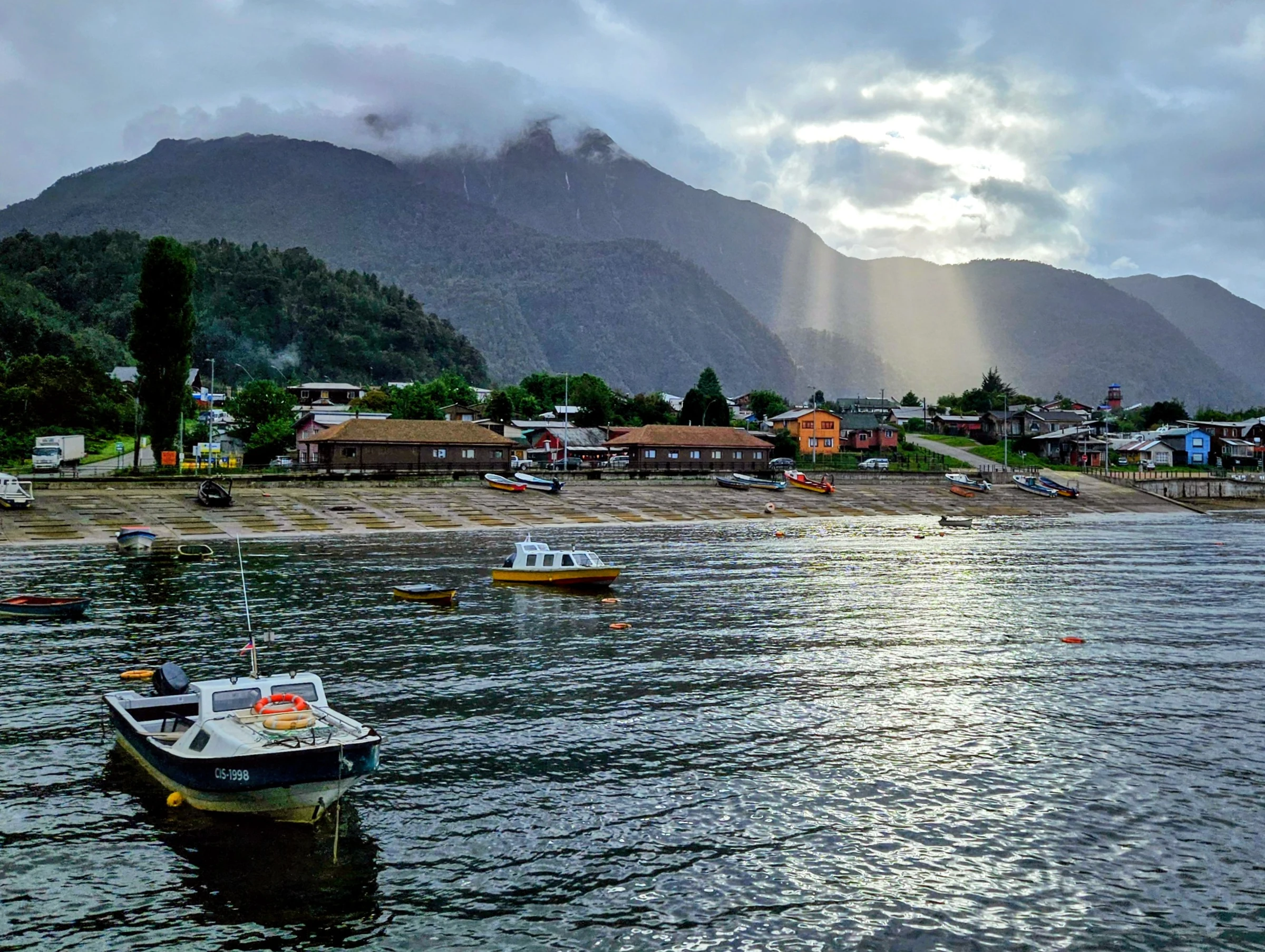
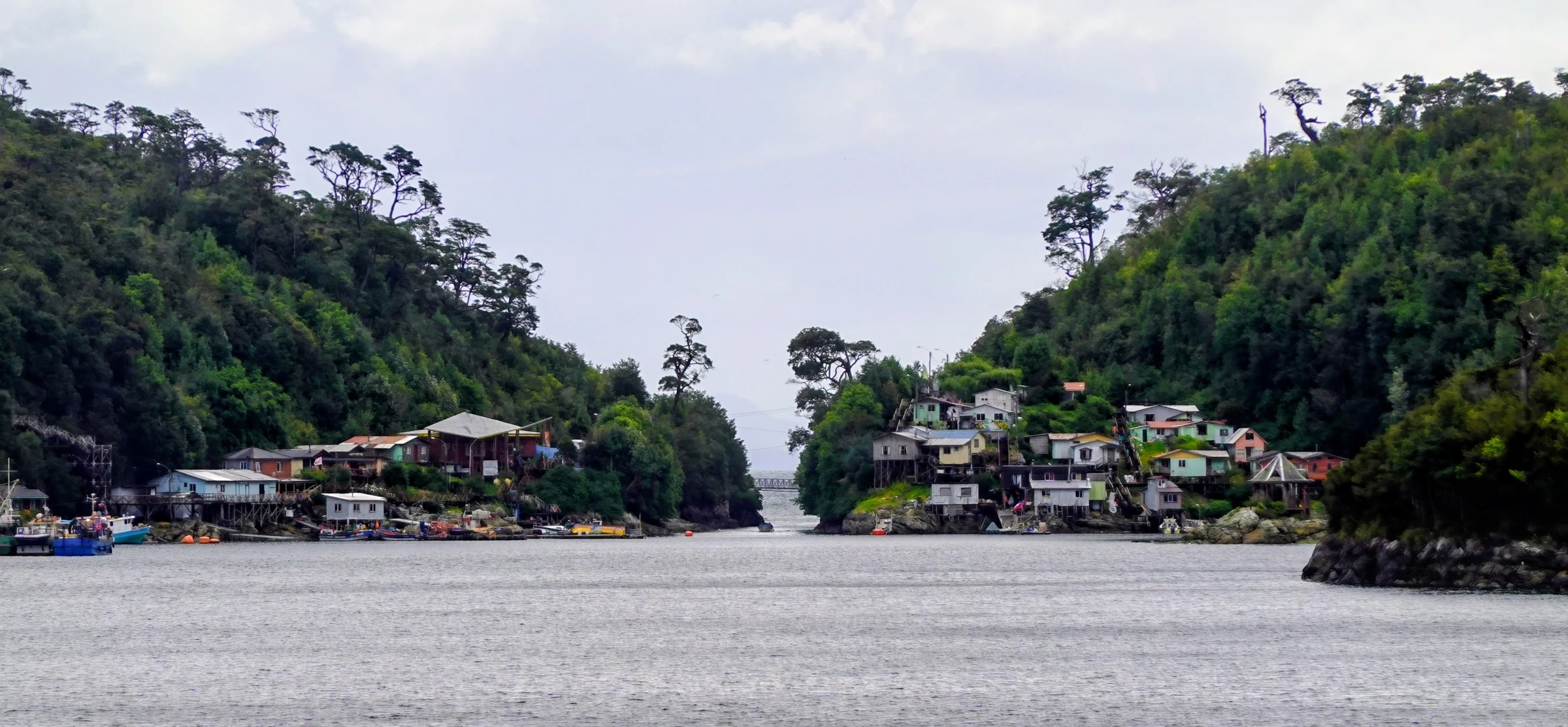
The last pictures in the gallery are from the road out: cycling to Puerto Cisnes, then a ferry across to Chiloé.
Third time’s the charm?